


Have you ever felt like your daily commute on public transportation is eating away at your precious time? You're not alone.
In a fast-paced world where every minute counts, figuring out what counts as excessive travel time can save you both stress and hours. Imagine having extra time for your morning coffee, a workout session, or simply relaxing at home. Understanding the tipping point between a manageable commute and one that's just too long is crucial for reclaiming your day.
Stay with us as we delve into the specifics of excessive travel time and how it impacts your life. Your time is valuable, and we’ll show you why it matters.
Credit: www.globalrailwayreview.com
Factors Influencing Travel Time
Understanding the factors influencing travel time with public transportation is crucial for anyone who relies on buses, trains, or subways daily. Whether you're planning your morning commute or a weekend adventure, knowing what affects your travel time can help you make smarter choices. Let's dive into these factors and see how they might impact your journey.
Distance And Route Complexity
Distance plays a big role in how long your travel takes. The farther you need to go, the longer your trip will be, naturally. But it's not just about miles or kilometers. The complexity of the route matters too. If you have to change lines multiple times or navigate through a maze of stops, your travel time increases. Think of your own experiences—have you ever found yourself zigzagging across the city just to get to a nearby neighborhood?
Transit System Efficiency
Efficiency of the transit system can make or break your travel plans. Some cities boast highly efficient systems with frequent services and reliable schedules. Others might leave you waiting longer than you'd like. Consider how well your local transit system functions. Is it plagued by delays, or does it run like clockwork? Efficiency impacts not only your time but also your mood and productivity.
Peak And Off-peak Hours
Timing is everything. Traveling during peak hours often means crowded buses and trains, slower speeds, and longer waiting times. Off-peak hours can offer a more relaxed and quicker journey. Have you ever adjusted your schedule to avoid the rush? It's a strategy worth considering if you find travel times unbearable. How do peak and off-peak hours affect your daily routine?
These factors are just the tip of the iceberg. Your travel experience is unique, influenced by where you live and how you travel. Which of these factors have you noticed in your daily commute? Could tweaking your travel habits save you time and stress? Let these questions guide your next journey and enhance your public transportation experience.

Credit: en.wikipedia.org
Defining Excessive Travel Time
Excessive travel time with public transportation often means long commutes that drain energy and time. Anything beyond an hour each way can be considered excessive, impacting daily productivity and well-being. Reducing travel time can enhance life quality and work-life balance.
Defining excessive travel time is crucial when relying on public transportation. Long commutes can sap your energy and reduce your productivity. How do we draw the line between a reasonable commute and excessive travel time?
Average Commute Benchmarks
Understanding average commute times can help you gauge what is excessive. In many urban areas, a one-way commute of 30 to 45 minutes is typical. However, anything stretching beyond an hour might be considered too long for some. In some cities, public transportation systems are designed to cover vast distances efficiently, yet delays and transfers can extend your travel time significantly. Consider your local commute benchmarks and think about how they align with your daily experience. Are you spending more time than most people commuting?
Passenger Expectations
Your expectations play a huge role in what you consider excessive. If you're used to a short 20-minute drive to work, a 90-minute bus and train journey might feel overwhelming. Conversely, for someone accustomed to long train rides, a slightly extended commute may seem routine. Think about what you expect from your travel time. Is it merely a means to get from point A to B, or do you see it as an opportunity to relax or catch up on reading? Balancing your expectations with reality helps determine if your travel time feels excessive. Reflect on a time when you were late to an important event because of an unexpected delay. Did it make you rethink your travel habits? Consider how your personal experiences shape your view of what’s acceptable and what’s excessive. Ultimately, defining excessive travel time is subjective. It combines statistical averages, individual expectations, and personal experiences. What might be too much for one person could be perfectly acceptable for another. What do you think is the threshold for excessive travel time in your life?
Impact On Commuters
Excessive travel time with public transportation can be a silent thief of time and energy for commuters. It often transforms what should be a straightforward journey into a test of patience and endurance. When you spend hours just getting to work, it can drain your enthusiasm and leave you feeling disconnected from both your job and your home life.
Stress And Fatigue
Long hours spent on public transportation can lead to significant stress and fatigue. Imagine waking up early to catch a crowded bus or train, only to be stuck in traffic or delayed due to unforeseen circumstances. This daily grind can wear you down, affecting your mood and productivity.
Studies show that prolonged commute times can lead to increased stress levels. You might find yourself feeling more irritable or anxious, which can spill over into your work and personal life. It's important to recognize these signs and consider ways to reduce your travel time or make it more enjoyable.
Work-life Balance
Excessive travel time can seriously disrupt your work-life balance. Picture this: by the time you get home, all you want to do is relax, but you barely have any time left for family, hobbies, or self-care. This imbalance can make you feel like you're living to work rather than working to live.
Ask yourself, how much time do you spend commuting each day? Could that time be better spent on activities that enrich your life? If your commute is eating away at your personal time, it might be worth exploring alternatives like remote work or relocating closer to your workplace.
Don't let excessive travel time control your life. Reflect on your current situation and consider if changes are needed to reclaim your time and energy.
Comparative Analysis
Understanding excessive travel time with public transportation involves examining factors like delays, transfers, and long routes. Ideally, commuting should balance efficiency with comfort, avoiding extended hours that disrupt daily schedules. Analyzing different routes and services can reveal what constitutes an unreasonable commute duration.
Traveling by public transportation often comes with the question: How much travel time is too much? This question doesn't have a one-size-fits-all answer, as perceptions of excessive travel time can vary widely based on several factors. A comparative analysis helps us understand these differences and sheds light on how urban and rural areas, as well as various countries, approach public transit.
Urban Vs. Rural Transit
Urban areas usually offer extensive public transportation networks. Buses, trains, and subways often run frequently, making it easier to reach your destination. However, even in cities, travel times can stretch if you're stuck on a bus during rush hour or waiting for a delayed train. In rural areas, public transit options can be limited. You might find yourself waiting for a bus that comes only a few times a day. Is a two-hour bus ride excessive if it's your only option? Rural residents might say no, while city dwellers might think it's unthinkable. Have you ever found yourself calculating whether it's worth the wait or if a long ride is just part of the journey? Your answer may change depending on where you live.
International Perspectives
Different countries view travel time through varied lenses. In Japan, punctuality and efficiency are the norms, making a 30-minute delay seem excessive. Conversely, in some parts of the developing world, waiting for an hour might be considered routine due to less frequent service. In European cities like Paris or Berlin, a robust public transport system offers quick connections, but strikes or maintenance can disrupt services, raising questions about acceptable delays. If you've ever traveled internationally, you might have noticed these differences. Did you find yourself adapting to a new normal for what you considered excessive travel time? Comparative analysis reveals that what might be excessive in one context is perfectly acceptable in another. Have you thought about how your environment shapes your expectations of travel time? Reflect on your experiences and consider how they align with different global perspectives.
Solutions And Improvements
Public transportation is a lifeline for many commuters. Yet, excessive travel time can frustrate users and deter potential passengers. Solutions and improvements are crucial to making public transport efficient and appealing. Let's explore infrastructure upgrades and policy changes that can reduce travel time.
Infrastructure Upgrades
Upgrading infrastructure is key to reducing travel time. Efficient road networks decrease congestion. More dedicated bus lanes can speed up buses. Better train tracks allow for faster journeys. Modern stations enhance boarding and alighting. Smart traffic signals optimize flow. Integrating technology makes transportation seamless.
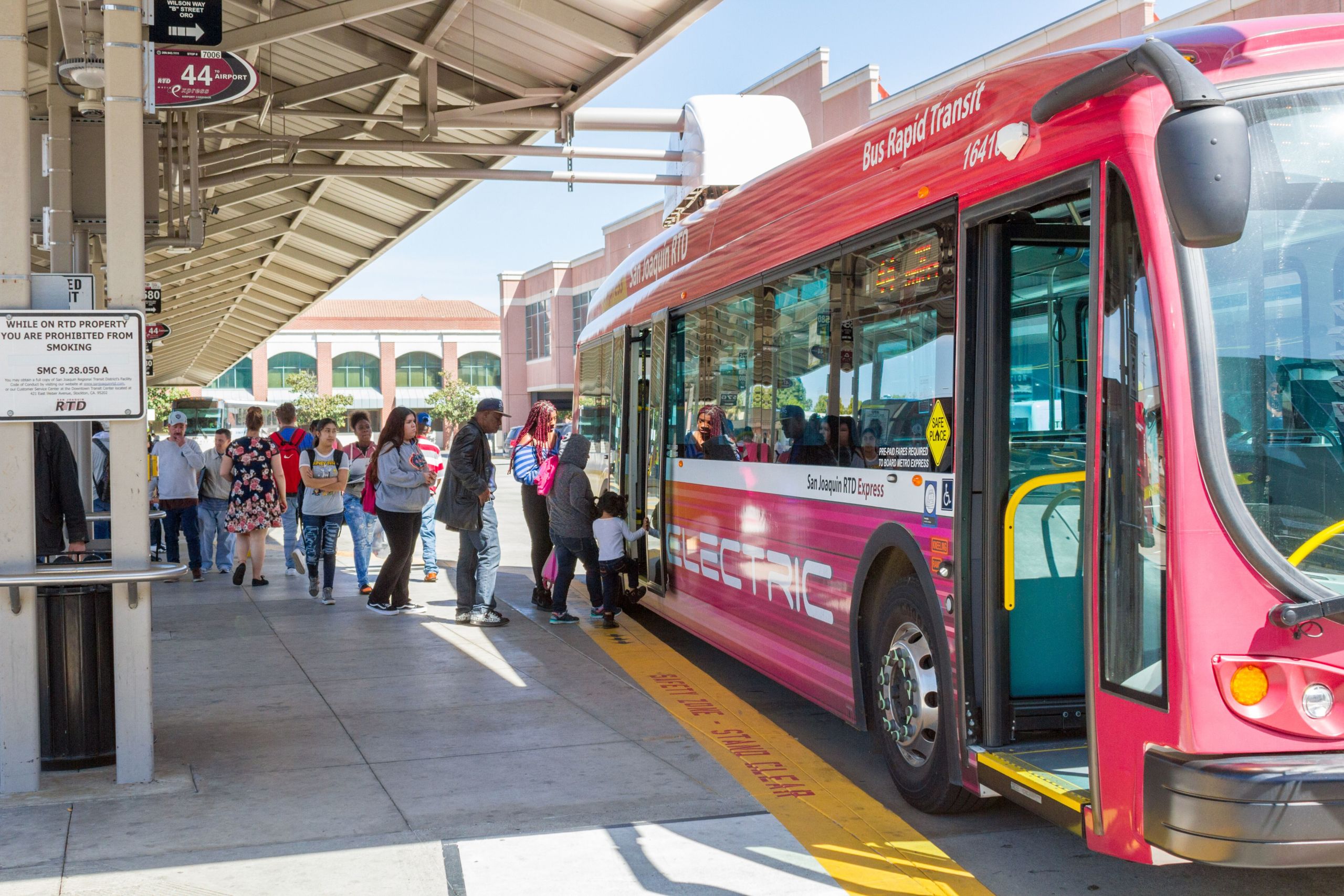
Investing in electric buses is also beneficial. They are quiet and fast. They help reduce emissions. These buses can navigate urban areas swiftly. Improved maintenance facilities ensure vehicles run smoothly. This leads to fewer delays and breakdowns.
Policy Changes
Effective policy changes can greatly improve travel time. Implementing flexible schedules is essential. This helps accommodate peak travel demands. It reduces overcrowding and waiting times. Fare structures should be simple and affordable. This encourages more people to use public transport.
Government incentives can motivate infrastructure investments. Tax breaks for companies investing in public transport are helpful. Regulations should support eco-friendly transport options. Promoting carpooling and shared rides reduces traffic. This enhances travel experience and reduces delays.
Public awareness campaigns can educate passengers. They can learn optimal travel times. This reduces congestion during peak hours. Encouraging off-peak travel benefits everyone. It smooths travel flow and enhances user satisfaction.
Credit: sanjoaquinrtd.com
Frequently Asked Questions
What Is Excessive Travel Time By Public Transport?
Excessive travel time varies by individual preferences and needs. Generally, over 90 minutes one-way is considered excessive. Factors like distance, waiting times, and transfers impact this perception. Personal tolerance and daily routines also play a role. Reducing unnecessary delays can improve the commuting experience.
How Can I Reduce Travel Time On Public Transport?
Plan your route using reliable apps or websites for real-time updates. Choose express services when available. Avoid peak hours to minimize delays. Consider alternative routes or modes of transport. Regularly check for service disruptions or maintenance work to avoid unexpected delays.
Why Does Public Transportation Have Long Travel Times?
Public transportation can have long travel times due to various reasons. These include traffic congestion, frequent stops, and service delays. Transfer times and waiting periods also contribute. Inadequate infrastructure and maintenance issues can further prolong travel. Efficient planning and investment can help reduce these times.
How Do Long Commutes Affect Daily Life?
Long commutes can negatively impact daily life by increasing stress and fatigue. They reduce time available for personal activities and family. Prolonged travel can also affect work-life balance and overall well-being. Efficient travel options can help improve quality of life and productivity.
Conclusion
Understanding excessive travel time is crucial for public transportation users. It affects daily life, work, and personal time. Long commutes lead to stress and fatigue. Efficient travel saves time and energy. Consider route options and peak hours. Plan trips wisely for better experiences.
Public transport should aim for shorter travel times. This enhances user satisfaction and convenience. Remember, time saved is time gained. Evaluate your travel habits regularly. Make adjustments for a smoother journey. Public transportation should be reliable and efficient. Everyone deserves a comfortable commute.
Let's aim for better public transit solutions for all.