


Imagine looking up at the night sky, with its twinkling stars and vast darkness, and wondering what it takes to journey beyond our planet. The thought of space travel sparks curiosity and excitement, doesn't it?
But have you ever considered what type of transportation is needed to make such a monumental leap? You're about to uncover the fascinating details behind the vehicles that propel us into the cosmos. This isn't just about rockets and spaceships; it's about the innovation and technology that transforms the impossible into reality.
By the end of this article, you'll have a deeper understanding of the incredible machinery and engineering genius required for space exploration. Stick around—you're in for a thrilling ride!
Historical Milestones
Space travel requires advanced spacecraft and rockets to transport humans and equipment beyond Earth's atmosphere. These vehicles must withstand harsh space conditions and provide safe travel. Efficient propulsion systems are crucial for long journeys, ensuring successful missions.
Space travel has fascinated humanity for centuries, with historical milestones marking our progress in reaching the stars. From the early days of rocket experimentation to the complex international collaborations we see today, each step has built upon the last to expand our capabilities in space exploration. Understanding these milestones provides insight into the type of transportation needed for future endeavors beyond our planet.
Early Rockets
The journey to space began with the development of early rockets. These were basic designs with limited power and control. You might remember reading about the V-2 rockets used during World War II. These were among the first to demonstrate the potential of rocket technology. The real breakthrough came with the launch of Sputnik in 1957. This was the first artificial satellite, and it showed that rockets could indeed reach space. It wasn't just about reaching space but also about staying there. These early rockets set the foundation for all future space missions.
Manned Space Missions
Manned space missions took rocket technology to a new level. Consider Yuri Gagarin's historic flight in 1961 aboard Vostok 1. He became the first human to orbit Earth, proving that humans could survive in space. Then came the Apollo missions. Remember the iconic moment when Neil Armstrong set foot on the Moon in 1969? That was Apollo 11, and it required advanced transportation technology to safely carry astronauts to the Moon and back. These missions showed the power and necessity of reliable and sophisticated spacecraft for human exploration.
International Collaboration
Space travel today often involves international collaboration. The International Space Station (ISS) is a prime example. It's been a joint effort involving multiple countries, and it serves as a testament to the importance of cooperation. Why is this collaboration crucial? It allows pooling of resources, expertise, and technology. The ISS wouldn't be possible without contributions from various nations. This collaboration is essential for overcoming technical and financial challenges. Could future space missions involve even more collaboration? With the exploration of Mars and beyond on the horizon, international efforts might be the key to successful long-term space travel. These historical milestones not only reflect the progress we've made but also guide us in the type of transportation needed for future space endeavors. What do you think the next milestone will be?
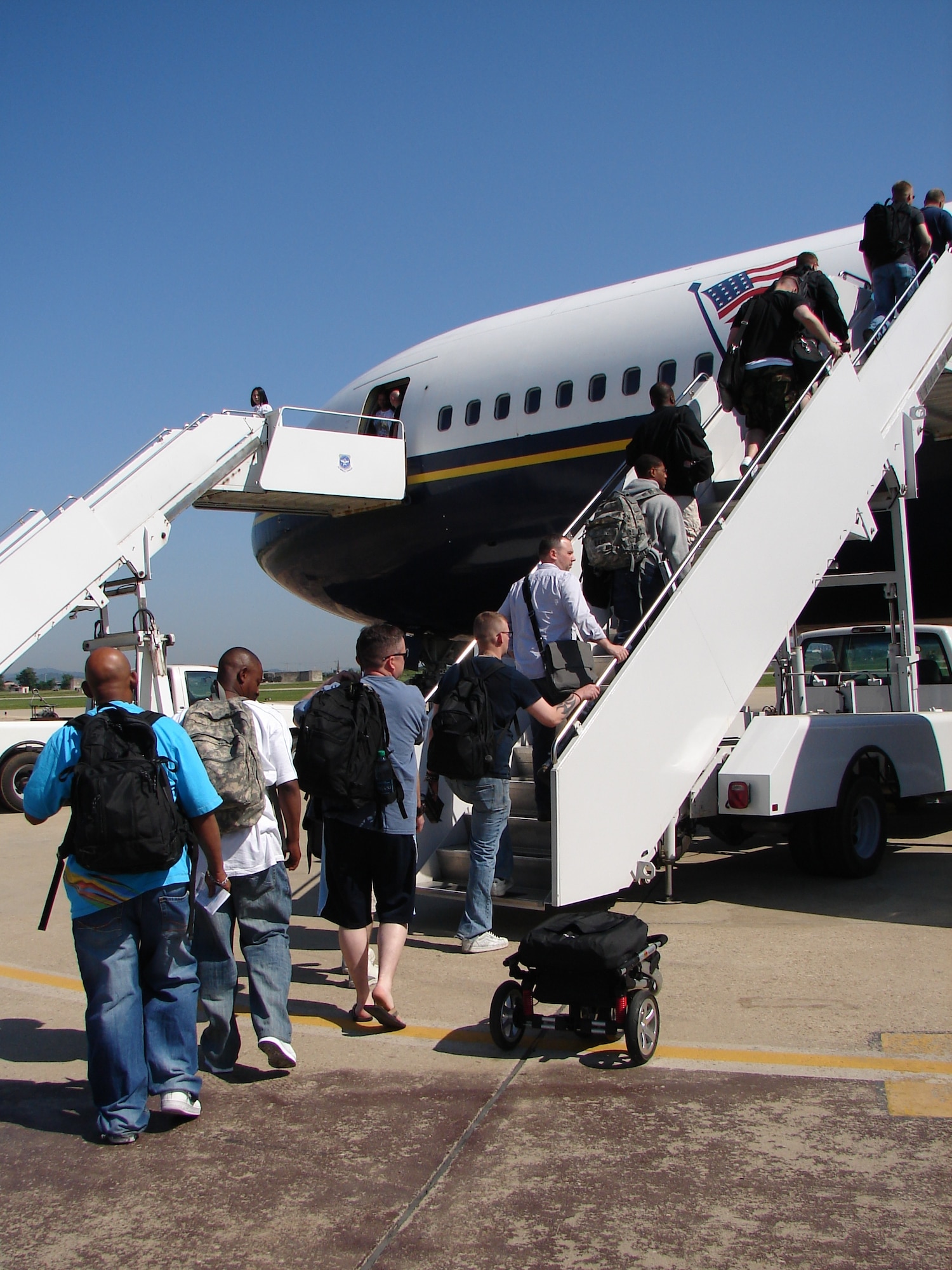
Credit: www.osan.af.mil
Current Spacecraft Technologies
Space travel needs advanced spacecraft technologies for safe and efficient journeys. Powerful rockets and reliable propulsion systems transport astronauts beyond Earth. These technologies ensure successful missions to space destinations.
Space travel, once a dream only depicted in science fiction, is now a reality. This progress is due to the remarkable advancements in spacecraft technologies. These technologies are not just about reaching space but doing so efficiently, safely, and sustainably. Each type of spacecraft technology has unique benefits and challenges. Let's look at some of these current technologies that are redefining space travel.
Reusable Rockets
Reusable rockets are a game-changer in the world of space travel. They reduce costs significantly by allowing the same rocket to be used multiple times. Think about it—how much more affordable would flying be if planes were used only once? Companies like SpaceX have pioneered this technology with their Falcon 9 rockets. They can land back on Earth after launching satellites or carrying supplies to the International Space Station. By reusing rockets, space travel becomes more accessible and environmentally friendly. Imagine a future where space tourism is within reach, thanks to these advancements.
Space Shuttles
Space shuttles were the workhorses of NASA’s space missions for decades. Unlike traditional rockets, shuttles can carry astronauts, satellites, and even parts for the International Space Station. They operate like a plane, launching vertically and landing horizontally. However, they require significant maintenance and have higher operational costs. A ride on a space shuttle is not just a trip; it's a symbol of human ingenuity. But as technology evolves, newer models could emerge, combining the benefits of shuttles with modern innovations.
Space Capsules
Space capsules are making a comeback, thanks to their simple and effective design. They are used primarily for transporting astronauts and cargo to and from space stations. Capsules like SpaceX's Dragon and NASA's Orion are leading the charge. Capsules are compact, and their design focuses on safety and reliability. They re-enter Earth’s atmosphere using heat shields to withstand extreme temperatures. Their simplicity makes them cost-effective, making them a favorite choice for future missions. When you consider these technologies, you see the potential for human exploration beyond Earth's orbit. What will the next breakthrough be? Could you imagine being part of the next leap in space travel? The future is as vast as the universe itself.
Propulsion Systems
Space travel demands advanced propulsion systems to move spacecraft beyond Earth's atmosphere. Rockets with powerful engines provide the necessary thrust. These engines burn fuel rapidly, creating high-speed exhaust gases that propel the spacecraft into space.
Space travel is an awe-inspiring feat that pushes the limits of human ingenuity. At the heart of this exploration is the propulsion system, a crucial element that propels spacecraft beyond Earth's atmosphere and toward the cosmos. Different propulsion systems cater to various mission needs, each with its own set of advantages and challenges.
Chemical Propulsion
Chemical propulsion is the most traditional and widely used method in space travel. It relies on the combustion of propellants to generate thrust. Think of it like a giant firework: when the fuel and oxidizer mix, they create an explosive force that propels the rocket forward. This system has powered countless missions, including the Apollo moon landings. Its main advantage is the high thrust it provides, necessary for launching payloads into orbit. However, it consumes a lot of fuel, which limits how far you can travel.
Ion Thrusters
Ion thrusters represent a more futuristic approach. Instead of burning fuel, they use electricity to accelerate ions, creating a gentle but continuous thrust. Imagine the steady push of wind against a sail, slowly but surely moving the spacecraft forward. These thrusters are incredibly efficient, using less fuel and allowing for longer missions. They’re ideal for deep space exploration where speed isn't as urgent as endurance. The trade-off is a slower acceleration, which means longer travel times.
Nuclear Propulsion
Nuclear propulsion offers a bold vision for the future of space travel. This method uses nuclear reactions to generate heat, which then expels propellant at high speeds. It’s like having a miniature power plant on board, offering both high thrust and efficiency. Such systems could drastically reduce travel time to distant planets, potentially opening new frontiers for human exploration. However, safety concerns and the complexity of managing nuclear materials in space remain significant hurdles. As you ponder these propulsion systems, consider the possibilities each one unlocks for humanity's journey beyond Earth. Which system do you think holds the key to our next great adventure?
Life Support Systems
Space travel is not just about the journey through the vast cosmos; it's about creating a livable environment in the harshest of conditions. Life support systems are crucial for maintaining human life in space. These systems ensure astronauts have the essentials to survive: oxygen, water, and a stable temperature.
Oxygen Generation
Imagine being in a tiny capsule, millions of miles from Earth, and suddenly realizing you can't breathe. Oxygen generation in space is a matter of life and death. Astronauts rely on advanced systems to produce oxygen, often using a process called electrolysis, which splits water into hydrogen and oxygen.
Have you ever thought about how much oxygen you use daily? In space, every breath is precious. The International Space Station (ISS) uses the Oxygen Generation Assembly (OGA) to ensure astronauts have a constant supply of fresh air. It's fascinating how technology can replicate something as natural as breathing.
Water Recycling
Water is heavy and expensive to transport. That's why recycling is key in space. NASA has developed sophisticated systems to purify and recycle water from sweat, urine, and other sources. Yes, astronauts drink their recycled sweat! It's a closed-loop system that maximizes every drop.
Think about your daily water use. In space, every drop counts. The Water Recovery System (WRS) on the ISS is a marvel of engineering, turning waste into something as essential as life itself. It's a reminder of how precious resources are, even here on Earth.
Temperature Control
Space is a place of extremes. One minute, you're freezing; the next, you're boiling. Temperature control systems in spacecraft keep conditions just right for human life. They use insulation and radiators to manage heat and cold, ensuring a stable environment inside the spacecraft.
Have you ever tried to sleep in a room that's too hot or too cold? Now imagine doing that in space, where temperatures swing drastically. The ISS, for example, uses ammonia-filled pipes to carry heat away and keep the station comfortable. It's like having a thermostat in your own cosmic home.
Life support systems are the backbone of space travel. They ensure astronauts can live and work in the vastness of space. Next time you enjoy a breath of fresh air or a sip of water, remember the incredible technology making space exploration possible.
Crew Accommodations
Space travel requires careful planning for crew accommodations. Ensuring astronaut comfort and safety is crucial. Spacecraft must provide basic living needs during long journeys. These needs include living space, protection, and health maintenance.
Habitable Modules
Habitable modules serve as homes for astronauts in space. These modules must offer enough space for daily activities. Sleeping areas, kitchens, and workstations are essential. Proper design helps reduce stress and increase efficiency. Modular designs allow for expansion and customization.
Radiation Protection
Space radiation poses a serious threat to crew health. Effective shielding is necessary to protect astronauts. Materials like water and polyethylene can absorb radiation. Strategic placement of these materials around living areas is crucial. Technology advancements continue to improve protective measures.
Exercise And Health
Exercise is vital for maintaining astronaut health in space. Microgravity affects muscles and bones, leading to atrophy. Spacecraft must include exercise equipment like treadmills and bikes. Regular workouts help preserve physical strength and prevent health issues. Monitoring systems track vital signs and ensure wellbeing.

Credit: en.wikipedia.org
Cargo And Payload Transport
Space travel requires moving cargo and payload efficiently. Scientists and engineers are constantly designing innovative transportation methods for space missions. These methods ensure safe delivery of essential equipment, supplies, and technology. Cargo transport plays a vital role in the success of space exploration. Understanding different transportation types helps in planning effective space missions.
Satellite Deployment
Satellite deployment in space is crucial for communication and data collection. Rockets carry satellites to their designated orbits. They ensure precise placement for optimal performance. Launch vehicles must be reliable and robust. They withstand harsh space conditions to deliver satellites safely. This deployment supports global positioning, weather forecasting, and scientific research.
Space Station Resupply
Resupplying space stations is essential for crew survival. Transport vehicles deliver food, water, and equipment regularly. Cargo spacecraft must be efficient and safe. They ensure the continued operation of space stations. Proper resupply prevents shortages and maintains station functionality. Reliable transport systems are vital for long-term missions.
Interplanetary Cargo
Interplanetary cargo transport is challenging. It involves delivering materials between planets. Advanced spacecraft are required for these missions. They must travel vast distances and endure extreme conditions. Interplanetary transport supports exploration and potential colonization. It enables the transfer of scientific instruments and habitat modules. Innovations in spacecraft design are crucial for successful missions.
Future Innovations
Exploring space requires advanced transportation. Rockets and spacecraft are essential for reaching outer space. Future innovations focus on efficient designs and sustainable fuel.
The future of space travel holds exciting possibilities. As technology advances, new types of transportation are emerging. These innovations will change how humans explore space. They promise faster journeys and more efficient vehicles.
Space Tourism
Space tourism is growing. Companies are designing spacecraft for civilian trips. These vehicles need to be safe and comfortable. They must also be cost-effective. Engineers are working on reusable rockets and spaceplanes. These designs aim to reduce costs and make space travel accessible to more people. The dream is to make space vacations a reality.
Colonization Transport
Transport for colonization is crucial. Humans want to live on other planets. This requires reliable and large-scale transport. Ships must carry people and supplies safely. Innovations focus on building durable spacecraft. These vehicles should withstand harsh space conditions. They must also support long journeys. The goal is to make interplanetary travel common.
Advanced Propulsion Concepts
Advanced propulsion systems are key to future space travel. Current rockets are limited by fuel and speed. Scientists are exploring new methods. Nuclear propulsion offers longer missions with more efficiency. Ion drives use electric fields to propel spacecraft. These methods promise faster travel. They could open new frontiers in space exploration.
Challenges And Considerations
Space travel presents unique challenges and considerations. Transporting humans and equipment beyond Earth requires careful planning. This involves addressing various aspects to ensure successful missions. Key factors include cost, safety, and environmental impact. Each plays a crucial role in shaping space transportation solutions.
Cost And Funding
Space travel is expensive. Developing technology demands significant investment. Government agencies often fund projects. Private companies also contribute. Costs include building spacecraft and maintaining operations. Funding varies by mission complexity and duration. Budget constraints can limit innovation. Efficient use of resources is essential.
Safety Concerns
Safety is paramount in space travel. Risks are high during launch and landing. Equipment must withstand harsh conditions. Astronauts face potential health hazards. Radiation and microgravity affect the body. Designing safe transportation is challenging. Engineers work to minimize risks. Regular testing ensures reliability.
Environmental Impact
Space travel affects the environment. Rocket launches release emissions. These can harm Earth's atmosphere. Sustainable practices are needed. Reducing pollution is a priority. Innovative fuels and technologies are being explored. Protecting space environments is crucial. Debris poses risks to future missions. Responsible actions are required.

Credit: en.wikipedia.org
Frequently Asked Questions
What Vehicles Are Used For Space Travel?
Space travel requires advanced vehicles like rockets and space shuttles. Rockets launch spacecraft into orbit, overcoming Earth's gravity. Space shuttles, once in space, transport astronauts and cargo. These vehicles are designed for extreme conditions, ensuring safe travel and return. Innovations continue to improve their efficiency and safety.
How Do Rockets Overcome Earth's Gravity?
Rockets use powerful engines to generate thrust, overcoming Earth's gravity. They burn fuel rapidly, creating high-speed exhaust gases that propel them upwards. This force, known as thrust, counteracts gravity's pull. As the rocket gains speed, it reaches the necessary velocity to break free from Earth's gravitational pull.
What Is The Role Of Spacecraft In Space Travel?
Spacecraft play a crucial role in space exploration. They transport astronauts, equipment, and scientific instruments. Designed for specific missions, they support life in space and conduct research. Spacecraft are equipped with systems to handle extreme conditions, ensuring mission success and safe return to Earth.
Why Are Space Suits Essential For Astronauts?
Space suits protect astronauts from harsh space environments. They provide oxygen, temperature control, and shield against radiation. These suits allow movement and communication in space. By ensuring safety and functionality, space suits enable astronauts to perform tasks outside their spacecraft, crucial for exploration and research.
Conclusion
Space travel demands advanced transportation systems. Rockets and spacecraft remain essential. They carry humans and cargo beyond Earth. Safety and efficiency are critical. Engineers focus on reusable technology. This reduces costs and environmental impact. Innovations in propulsion systems are vital.
They ensure faster and more reliable journeys. Collaborations between countries advance space exploration. Private companies also play a key role. They push the boundaries of space travel. Future missions to Mars and beyond depend on these developments. Transportation in space will continue to evolve, opening new frontiers.
The dream of exploring the cosmos becomes more achievable.