
Navigating the skies during the coronavirus pandemic can feel daunting. You might have questions about safety, new protocols, or simply how to make your journey as smooth as possible.
This new guide to air travel during coronavirus is here to help you. Imagine a journey where you feel informed, secure, and in control. Whether you're flying for business, reuniting with family, or embarking on a long-awaited vacation, this guide empowers you with the knowledge you need.
Discover the latest travel tips, safety measures, and insider advice that will transform your flying experience. Don't just travel—travel smart and safe. Dive into this guide and ensure your next flight is one of confidence and peace of mind.
Pre-travel Preparations
Navigating air travel during coronavirus requires careful planning. Pack essential items like masks and sanitizer for safety. Check travel advisories and airline policies regularly for updates.
Preparing for air travel during the coronavirus pandemic can be a daunting task. With new regulations and evolving guidelines, it's more important than ever to be well-prepared before you embark on your journey. But don't worry—taking a few proactive steps can make your travel experience much smoother.
Booking Flexible Flights
One of the most crucial steps is to book flights with flexible cancellation and change policies. Airlines are offering more adaptable options these days, so take advantage of them. A friend of mine had to change her travel plans last minute due to a sudden lockdown. Luckily, she had booked a flexible ticket and could easily reschedule her flight without a hefty fee. Look for airlines that allow you to change your travel dates without penalties. Some even offer vouchers or refunds. Always read the fine print before clicking 'purchase.'
Understanding Airline Policies
Do you know your airline's policies regarding COVID-19? Policies can vary widely from one airline to another. Some require masks throughout the flight, while others have specific boarding procedures. Check your airline's website for detailed information. Knowing these guidelines can help you prepare mentally and physically. This way, you won't be caught off guard at the airport.
Health And Safety Research
Researching health and safety measures is essential. It's not just about wearing a mask; it's about understanding what you can do to protect yourself and others. A family member of mine decided to bring her own sanitizing wipes to clean her seat and tray table. It gave her peace of mind and an extra layer of protection. Find out if your airline provides sanitizing kits or if you need to bring your own. Also, familiarize yourself with the destination's COVID-19 guidelines to avoid any surprises. Are you ready to take these steps to ensure a safe and stress-free journey? Remember, preparation is key to navigating the new normal of air travel.

Credit: www.npr.org
Packing Essentials
Traveling during the coronavirus pandemic requires extra preparation. Packing essentials ensure safety and comfort. Thoughtful packing can ease stress and make your journey smoother. Equip yourself with necessary items for a safe trip.
Safety Gear Checklist
Start with a solid safety gear checklist. Pack high-quality masks for protection. Include extra masks in case of delays. Hand sanitizers are crucial. Choose those with at least 60% alcohol. Consider packing disinfectant wipes for surfaces. Gloves might be useful for added safety. Face shields offer extra protection in crowded areas.
Travel Hygiene Kit
A travel hygiene kit is essential. Include travel-sized toiletries. Soap, shampoo, and toothpaste in small containers. Pack tissues and wet wipes. They are handy for cleaning and refreshing. A portable hand sanitizer should be in easy reach. Don't forget personal hygiene items like deodorant. Keep everything organized in a waterproof bag.
Documentation And Health Certificates
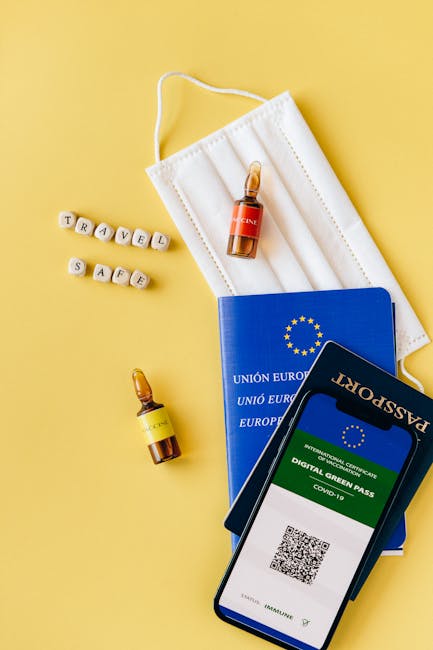
Documentation is crucial for smooth travel. Keep your ID and passport accessible. Some places require health certificates. Check destination requirements in advance. Vaccination records might be necessary. Print or save digital copies on your device. Ensure all documents are up-to-date. Keep them in a secure folder or pouch.
At The Airport
Air travel during the coronavirus pandemic has changed significantly. As you plan to fly, it's important to know what to expect at the airport. New rules and precautions ensure passenger safety. Let's explore how to navigate these changes seamlessly.
Navigating New Procedures
Arrive earlier than usual. Airports have new procedures. Check-in may take longer. Follow signs for health checks. Mask wearing is mandatory. Keep it on at all times. Staff may provide extra instructions. Listen carefully and follow their guidance.
Social Distancing Measures
Social distancing is crucial. Maintain a six-foot distance from others. This helps reduce virus spread. Floor markings guide you. Respect these boundaries. Avoid crowded areas. Wait for less busy times if necessary. Patience keeps everyone safe.
Security Checkpoint Tips
Security checks are more thorough now. Remove items like belts and shoes. Place electronics in separate bins. Liquids must be in a clear bag. Follow all TSA instructions. Keep your distance in line. The process may take longer. Staying calm helps everything run smoothly.
Credit: www.expertinstitute.com
Onboard Safety
As air travel gradually returns to normal, onboard safety is a top concern for many passengers. Navigating the skies amidst the coronavirus pandemic requires more than just a ticket and a carry-on bag. Understanding the measures in place to ensure your safety can make your journey smoother and more reassuring. Let's dive into what airlines are doing to keep you safe in the skies.
Understanding Cabin Air Quality
Ever wonder about the air you breathe during a flight? Airlines are boosting cabin air quality with advanced filtration systems. High-Efficiency Particulate Air (HEPA) filters are now standard on most aircraft. These filters remove 99.9% of airborne particles, including viruses. The cabin air is refreshed every few minutes, ensuring a clean environment. Next time you're on a plane, you can feel confident about the air quality.
Mask And Sanitization Protocols
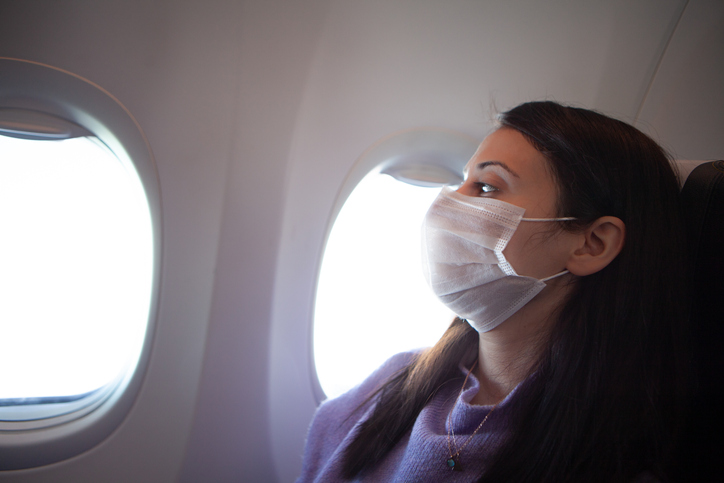
Wearing masks is mandatory on most flights, but it's not just for your protection. It helps safeguard everyone onboard. Airlines provide hand sanitizers and disinfectant wipes to passengers. You can use these to clean your seat and tray table. It's a simple yet effective step to prevent the spread of germs. How prepared are you to ensure your personal safety onboard?
In-flight Social Distancing
Social distancing in a confined space like an airplane might seem tricky. Airlines have made adjustments by blocking middle seats and reducing passenger capacity. This allows more space between passengers. Additionally, staggered boarding and deplaning processes reduce crowding. These measures help minimize close contact, making your flight more comfortable. Do you feel safer with these changes?
The pandemic has changed air travel, but knowing these safety measures can ease your mind. Each step taken by airlines aims to protect you, ensuring a safer and more pleasant journey. As you plan your next trip, consider these factors and take proactive measures for your own safety. Safe travels!
Arrival Protocols
As you prepare for air travel during the coronavirus pandemic, knowing the arrival protocols is crucial. These protocols ensure the safety of everyone involved. They also help in reducing the spread of the virus. Understanding these guidelines makes your travel smoother and stress-free.
Destination Entry Requirements
Each destination has unique entry requirements. Some places ask for proof of vaccination. Others need a negative PCR test taken within 72 hours. It is important to check these requirements before traveling. This ensures you have all necessary documents ready.
Quarantine And Testing Guidelines
Many countries have quarantine measures in place. Some require a quarantine period upon arrival. The duration can vary from a few days to two weeks. Testing might be required during quarantine. It's important to stay updated on the latest guidelines. This helps you plan your trip better.
Transportation And Accommodation Safety
Transportation and accommodations have adopted new safety measures. Public transport may require masks. Social distancing might be enforced. Hotels and rentals have increased cleaning protocols. This ensures a safe environment for travelers. Always follow local guidelines for your safety.
Credit: www.americanadoptions.com
Post-travel Safety
Traveling during the coronavirus pandemic requires extra precautions. Once you return home, maintaining post-travel safety is crucial. It's not just about protecting yourself, but also those around you. Let's dive into how you can ensure your safety after a trip.
Self-monitoring For Symptoms
After traveling, keep an eye on your health. Watch for symptoms like fever or cough. A simple daily check can make a big difference. If you notice any signs, contact a health professional. Early detection helps in managing risks effectively.
Staying Informed On Health Guidelines
Health guidelines change often. Stay updated with the latest information. Check local health department websites regularly. Knowing current rules can keep you safe and help avoid unnecessary risks. Awareness is your best tool.
Handling Travel Stress
Traveling can be stressful, especially now. Manage stress by practicing relaxation techniques. Take deep breaths or try meditation. These simple methods can ease anxiety. Remember, your mental health is as important as physical health.
Frequently Asked Questions
What Are The Current Air Travel Restrictions?
Air travel restrictions vary by destination and airline. Always check the latest updates from official sources before planning your trip. Some countries may require proof of vaccination, negative COVID-19 tests, or quarantine. Stay informed to ensure a smooth travel experience.
Is It Safe To Fly During The Pandemic?
Flying during the pandemic is relatively safe with precautions. Airlines have enhanced cleaning protocols and require masks. HEPA filters in aircraft help maintain air quality. However, follow guidelines and assess personal risk before flying.
Do I Need A Covid-19 Test Before Flying?
Many destinations require a negative COVID-19 test before entry. Check specific requirements for your destination and airline. Some airports offer on-site testing for convenience. Always confirm test validity periods to avoid travel disruptions.
How Can I Stay Safe At The Airport?
Maintain social distancing and wear a mask at the airport. Use hand sanitizer frequently and avoid crowded areas. Check-in online and use contactless services where possible. Follow airport staff instructions for a safer travel experience.
Conclusion
Navigating air travel during the coronavirus pandemic feels different. Safety remains a priority. Remember to check airline policies before your flight. Many airlines offer flexible booking options now. Masks and sanitizers are essential travel items. Keep them handy. Follow health guidelines at the airport.
Social distancing helps keep everyone safe. Stay informed about travel restrictions. They can change quickly. Being prepared ensures a smoother journey. Air travel can be safe with care and awareness. Enjoy your trip and stay healthy. Your safety and well-being come first.
Happy travels!