
Planning a trip can be an exciting experience, but figuring out how much to budget for food while traveling might seem a bit daunting. You want to enjoy all the delicious flavors a new destination has to offer without breaking the bank.
Imagine indulging in local delicacies and vibrant street food, while still having enough left over for that fancy dinner you’ve been eyeing. Sounds perfect, right? In this guide, you'll discover practical tips and insights to help you manage your food budget effortlessly.
Whether you're traveling on a shoestring or splurging a little, we've got you covered. Dive in to learn how to savor every bite of your journey without any financial worry.
Estimating Daily Food Expenses
Traveling opens up a world of culinary adventures, but keeping track of food expenses can be challenging. Estimating daily food costs is crucial to ensure you don't overspend and still savor local delicacies. This guide will help you navigate the nuances of budgeting for meals while exploring new destinations.
Destination Influences
Your travel destination plays a significant role in how much you'll spend on food. In some cities, like Paris or Tokyo, meals can be quite expensive due to high living costs. Conversely, places like Bangkok or Mexico City offer affordable yet mouth-watering options.
Researching your destination's average meal prices can save you from sticker shock. You might find that a simple street food meal in Vietnam costs less than a coffee in Milan.
Have you ever found a hidden gem in a pricey city where the food was both cheap and delicious?
Meal Types And Costs
Choosing the right type of meal can dramatically affect your budget. Street food and local diners often provide authentic tastes at a fraction of the price of upscale restaurants.
Consider mixing up your meal types: perhaps breakfast at a local café, lunch from a street vendor, and dinner at a mid-range restaurant.
What meal types do you usually opt for, and have they changed depending on where you travel?
Local Currency Considerations
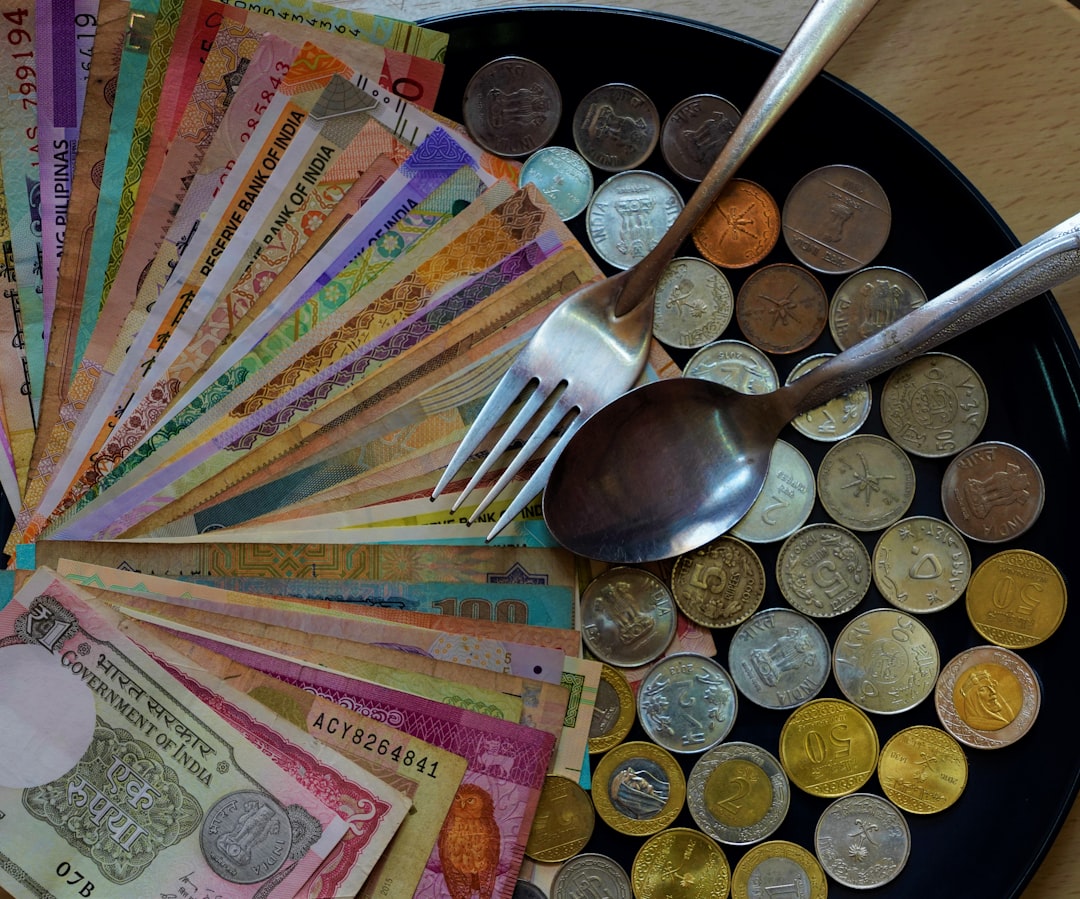
Understanding the local currency and exchange rates is vital in managing food expenses. A meal that seems cheap in your home currency might be more costly when converted.
Use currency conversion apps to get real-time updates and plan your budget accordingly. This ensures that you are not surprised by the actual costs when you check your bank statement.
How often do you check the currency rates before ordering meals abroad?
Budgeting for food doesn't have to be a chore. By considering your destination, meal types, and local currency, you can create a balanced and enjoyable culinary experience. Your taste buds deserve an adventure too, without compromising your wallet.
Cost-saving Strategies
Traveling on a budget? Plan your food expenses wisely. Research local dining options and prioritize cheaper eateries. Consider cooking some meals to save money.
When traveling, food expenses can quickly add up. Planning a budget helps manage costs. By adopting cost-saving strategies, you can enjoy local flavors without breaking the bank. Here are some practical tips to keep your food budget in check while savoring delicious meals.
Eating Like A Local
Eating like a local is both delicious and economical. Local eateries often offer authentic dishes at lower prices. Try visiting family-owned restaurants or small diners. These places usually serve hearty meals that won't strain your budget. You'll also experience the culture through the flavors and cooking styles unique to the region.
Utilizing Street Food Options
Street food is a traveler’s best friend. It's affordable and full of flavor. Vendors sell snacks and meals at a fraction of restaurant prices. You can try a variety of dishes without spending much. It's also a way to sample the local cuisine. Always choose stalls with a crowd. This often indicates fresh and safe food.
Cooking Your Own Meals
Cooking your own meals can save money. Many accommodations offer kitchen facilities. Hostels and vacation rentals often have communal kitchens. Visit local markets to buy fresh ingredients. Cooking with local produce can be fun and educational. You can prepare simple meals and pack them for day trips. This way, you avoid pricey tourist spots. Plus, it's a chance to try new recipes.
Budget-friendly Dining
Traveling doesn't have to mean breaking the bank on food. Budget-friendly dining options are plentiful and can enhance your travel experience. With a little planning and some savvy choices, you can enjoy tasty meals without overspending. Let's explore some ways to eat well on a budget while traveling.
Finding Affordable Restaurants
Look for local eateries instead of tourist spots. Local spots often serve delicious meals at lower prices. Try asking locals for recommendations. They know the best places that offer good value. Avoid restaurants near major attractions. Prices tend to be higher there. Check online reviews to find affordable and well-rated options.
Exploring Food Markets
Food markets are treasure troves of budget-friendly meals. They offer fresh and diverse options. You can sample local flavors without paying restaurant prices. Many markets have food stalls with ready-to-eat dishes. Grab a quick bite and immerse yourself in the local culture. Don't forget to try regional specialties. They often come at a fraction of the cost.
Using Discounts And Coupons
Before dining out, search for discounts and coupons. Many websites offer deals for local eateries. Check for apps that specialize in restaurant discounts. They can save you money on meals. Sign up for newsletters from restaurants. They often send special offers to subscribers. Look for meal deals during off-peak hours. Many places offer discounts at these times.
Managing Unexpected Costs
Traveling brings joy and adventure. Yet, unexpected food costs can surprise travelers. Preparing for these costs ensures a smooth journey. Planning well helps in managing your budget effectively.
Understanding potential food expenses can save money. Explore strategies to handle dietary needs, price changes, and emergency meals.
Handling Dietary Restrictions
Dietary needs vary. Some travelers need gluten-free, vegan, or allergy-friendly meals. Research local eateries before your trip. Find places catering to your specific diet. Consider packing snacks that fit your dietary needs.
This reduces the risk of spending more on special meals. Keep an eye on local markets for fresh produce. This can offer affordable meal options.
Dealing With Price Fluctuations
Food prices can change. Tourist areas often charge more. Compare prices in different neighborhoods. Use apps to check reviews and costs of restaurants. This helps in finding cheaper yet tasty options.
Street food is a great choice. Local dishes often cost less. Always set aside extra funds for price changes.
Emergency Meal Solutions
Unexpected situations arise. You might miss a meal or face long delays. Carry non-perishable snacks like nuts or dried fruits. These can be lifesavers during emergencies.
Instant noodles or ready-to-eat meals are handy. They ensure you have food when needed. Keep a small stash in your bag for peace of mind.
Tracking And Adjusting Your Budget
Traveling can be a whirlwind of excitement, but managing your food budget is crucial to ensure you don't overspend. Tracking and adjusting your budget can help you keep your finances in check while enjoying delectable cuisines. With a little effort, you can savor every bite without the worry of breaking the bank.
Monitoring Daily Spending
Keeping an eye on your daily food expenses can make a huge difference. Start by setting a daily budget that aligns with your overall travel plan. Note down every meal, snack, and drink you purchase, no matter how small.
Reflect on your spending each night. Are you staying within your budget, or are those spontaneous gelato breaks adding up? Adjust tomorrow's plan if needed. This habit ensures you remain mindful of your spending and helps avoid unpleasant surprises.
Tools For Budget Tracking
Technology can be your best friend when tracking expenses. Use apps like Mint or YNAB to log your daily food costs. These tools can categorize your expenses, allowing you to visualize where your money goes.
Prefer the old-school method? A simple spreadsheet or notebook can work wonders. Jot down your expenses each day and tally them up. The key is consistency, ensuring you're aware of your financial habits.
Adapting To Changes
Plans change, and so should your budget. Maybe you found a local restaurant that offers a delightful lunch special. Adjust your dinner plans to accommodate this treat without overspending.
If you're spending more on food than planned, consider cutting costs elsewhere. Can you skip a souvenir or opt for public transport instead of a taxi? These small adjustments keep your budget flexible, ensuring you enjoy your trip without financial stress.
Ultimately, how do you balance enjoying local flavors with staying on budget? Listening to your financial intuition can help guide your decisions. It's about finding joy in each meal while keeping your wallet happy.
Frequently Asked Questions
How To Estimate Daily Food Budget When Traveling?
To estimate your daily food budget, research local dining costs. Consider how many meals you'll eat out. Include snacks and beverages. Use online resources or travel forums for average meal prices. Adjust your budget based on your dining preferences and destination.
What Factors Affect Food Budget During Travel?
Several factors impact your food budget. These include destination, dining preferences, and local currency. Dining style, such as street food or fine dining, also matters. Seasonal price variations can affect costs too. Plan accordingly to manage your budget effectively.
Is Street Food Cheaper While Traveling?
Street food is often cheaper and offers authentic local flavors. It can significantly reduce your food expenses. However, prioritize hygiene and safety. Research popular street food spots to ensure quality. Balancing street food with occasional restaurant meals can help maintain a balanced budget.
How To Save Money On Food While Traveling?
To save money, cook your own meals if possible. Choose accommodations with kitchen facilities. Visit local markets for fresh produce. Opt for local eateries over tourist spots. Take advantage of complimentary breakfasts at hotels. Planning meals and snacks can help reduce unnecessary expenses.
Conclusion
Planning your food budget for travel is crucial. It helps save money. Research local food prices before your trip. This prevents surprises. Consider street food. It's often cheaper and authentic. Eat like the locals for unique experiences. Carry snacks for emergencies.
This saves you from expensive options. Always keep some extra money. Unplanned expenses happen. Use budgeting apps. They help track spending. Enjoying food while traveling enriches the journey. It’s about balance. Savor local flavors without overspending. With these tips, manage your food budget smartly.
Enjoy your travels and delightful meals.