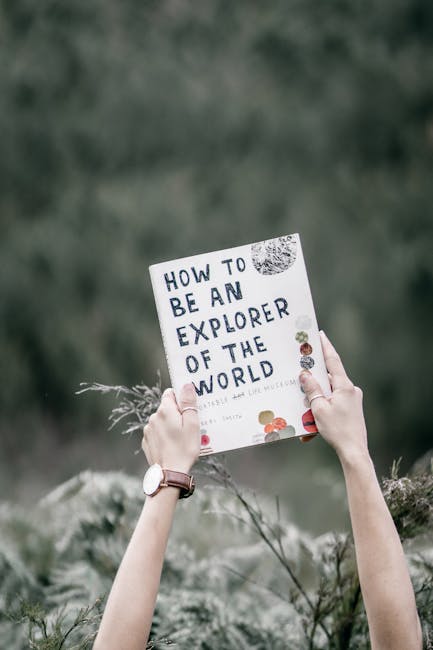


Imagine holding a travel guide book that feels like your personal compass, leading you to hidden gems and unforgettable experiences. Creating such a guide isn't just about listing places; it's about crafting a journey that sparks curiosity and wanderlust.
You want to know how to capture the essence of a destination and present it in a way that resonates deeply with fellow travelers, don’t you? You’re not alone. Many people dream of writing a travel guide that stands out and becomes a trusted companion for adventurers everywhere.
The secret lies in understanding your audience, telling engaging stories, and offering valuable insights that make readers want to explore more. This article will show you how to transform your passion for travel into a guidebook that readers will cherish. Keep reading, and you'll discover the steps to turn your ideas into a published travel guide that inspires journeys around the world.

Credit: www.amazon.com
Choosing A Destination
Selecting the right destination is crucial when writing a travel guide book. Focus on unique attractions, local culture, and accessibility. Include details that inspire readers to explore and discover new places. Aim to capture the essence of each location with vivid descriptions and practical tips.
Choosing a destination for your travel guide book is the first crucial step in crafting a compelling narrative that will captivate your readers. The world is full of vibrant places and unique cultures, but deciding which location to spotlight can be challenging. You want your guide to stand out, not just in terms of detail, but also in how it resonates with your audience. A well-chosen destination can make your travel guide both informative and inspiring.
Popular Vs. Offbeat Locations
The choice between popular and offbeat locations is pivotal. Popular destinations like Paris or New York offer familiarity and a wealth of information, but they also come with fierce competition. Alternatively, offbeat locations, such as a quaint village in Portugal or a hidden gem in South Korea, provide originality. These places often have untold stories and lesser-known attractions waiting to be discovered. Ask yourself: What unique perspectives can you offer about a well-known city? Or, how can you draw readers to a lesser-known spot?
Research And Feasibility
Once you have a destination in mind, thorough research is your next step. Dive into travel forums, read books, and watch documentaries to gather diverse insights about the location. Feasibility is equally important. Consider the logistics of traveling there. Is it accessible? Are there sufficient amenities? Can you provide practical advice for travelers? Reflect on your own travel experiences. Have you ever been surprised by how easy or difficult it was to reach a remote location? Sharing these insights can be invaluable for your readers. Choosing a destination is not just about picking a place; it's about imagining the journey your readers will embark on and ensuring their adventure is unforgettable.
Credit: travelerwp.com
Defining Your Audience
Creating a travel guide begins with understanding your audience's interests and needs. Identify their preferred destinations and experiences. Tailor your content to suit their level of travel expertise, ensuring it's both informative and engaging.
Defining your audience is a crucial step in crafting a travel guide book that resonates and engages. Knowing exactly who you're writing for allows you to tailor your content, ensuring it's both informative and captivating. This focus can be the difference between a guide that readers love and one that gathers dust on a shelf. Let's dive into understanding your audience with precision.
Target Demographics
Start by pinpointing the age group of your audience. Are you writing for adventurous millennials or retirees seeking relaxation? Each group has distinct preferences and travel habits. Gender can also play a role in how your guide is received. Men and women may prioritize different aspects of travel, such as adventure versus safety. Consider their economic status. A guide for budget travelers will differ vastly from one aimed at luxury seekers. Reflect on what your readers can afford and adjust your recommendations accordingly.
Understanding Reader Interests
Think about what excites your audience about travel. Are they history buffs, foodies, or nature enthusiasts? Tailor your guide to highlight attractions and activities that align with their passions. What problems do your readers face, and how can your guide solve them? A solo traveler might worry about safety, while a family could be more concerned with kid-friendly spots. Address these concerns directly in your content. Reflect on your own travel experiences. Remember a trip where you struggled to find a vegetarian restaurant? Use these insights to address similar reader needs, making your guide both practical and relatable. Engage your readers by asking yourself: What unique perspective can I offer them? Maybe you've discovered hidden gems in popular destinations or have tips for traveling off the beaten path. Share these insights to keep your readers hooked. Defining your audience with care ensures your travel guide book is not just another generic read. It's a tailored journey that speaks directly to the hearts of your readers.
Planning The Structure
Writing a travel guide book is exciting. Planning the structure is crucial for success. It helps organize thoughts and ensures readers find the book helpful. A well-structured book guides the reader smoothly through each destination. It makes the information easy to digest and enjoyable to read. Begin by considering what travelers need. This shapes how you organize your content effectively.
Organizing Content
Start by listing key destinations. Think about the attractions that travelers will want to visit. Include practical information like accommodations, dining, and transport. This helps readers plan their trips efficiently. Use bullet points for quick reference. Consider grouping information by themes, such as historical sites or nature spots. This organization makes it easier for readers to find what they are looking for.
Creating Chapters And Sections
Divide the guide into chapters. Each chapter should cover a major destination or theme. This division helps readers navigate through the book. Use sections within chapters for detailed information. Sections may include history, attractions, or local tips. Keep sections focused and concise. This helps maintain reader interest and comprehension. Add introductions to each chapter. This sets the scene and prepares the reader for what to expect.
Conducting In-depth Research
Crafting a travel guide book demands thorough research. Unearth local treasures, cultural nuances, and hidden gems. Explore firsthand experiences and gather authentic stories for captivating content.
Conducting in-depth research is the backbone of writing a compelling travel guide book. It helps you uncover hidden gems and provides the foundation for presenting authentic experiences to your readers. Researching thoroughly ensures your guide stands out, offering travelers real value and accurate insights. But how do you effectively gather this information? Let's dive into the essential steps.
Gathering Accurate Information
Start by identifying key aspects of the destination—its history, culture, popular spots, and local secrets. Visit official tourism websites and read travel blogs for up-to-date information. Use maps to understand the geography and layout of the area. Speak with locals if possible. They can offer unique perspectives and insider tips that no online source can match. Their stories and recommendations add depth and authenticity to your guide. Create a checklist of must-see attractions and activities. This list will guide your research, ensuring you cover all essential points. Prioritize accuracy in your notes to build trust with your audience.
Using Reliable Sources
The quality of your guide depends heavily on the reliability of your sources. Use established travel websites, government portals, and reputed travel magazines. These sources provide verified and credible information. Avoid relying solely on user-generated content. While reviews and travel forums can be insightful, they may not always be accurate. Cross-reference data with multiple sources to ensure accuracy. Consider using academic resources or books written by travel experts. Libraries and online databases can be treasure troves of information. These resources often contain detailed insights that are missed by surface-level research. In the journey of crafting your travel guide, remember: thorough research is your compass. It leads you to the heart of the destination, offering your readers a map to unforgettable experiences. Are you ready to uncover the world with precision and passion?
Writing Engaging Content
Creating a travel guide book is a journey in itself. The key to success lies in the content. Engaging content captures the reader's imagination. It transports them to new places through words. The challenge is to maintain interest while informing. This means blending rich descriptions with essential facts. Storytelling and factual accuracy must go hand in hand. Each section should entice and educate.
Captivating Descriptions
Descriptions are the heart of a travel guide. They paint pictures in the reader's mind. Use vivid adjectives and sensory details. Describe the vibrant colors of a local market. Talk about the aromas of street food wafting through the air. Capture the sound of waves crashing on a beach. These details make places come alive on the page. They invite readers to imagine themselves there.
Balancing Facts And Stories
Facts are essential in a travel guide. They provide the reader with vital information. Include details like locations, hours, and costs. But don't overwhelm with dry facts. Weave stories into your guide. Share personal experiences or local legends. Stories create a connection with the reader. They add depth and context to the facts. A well-told story can linger in the mind. It can make a destination unforgettable.
Incorporating Practical Tips
Crafting a travel guide book becomes easier with practical tips. Highlight local attractions, food, and culture vividly. Use engaging language to keep readers hooked.
Writing a travel guide book is not just about capturing beautiful destinations and thrilling adventures; it’s about offering genuine help to travelers. Practical tips are the backbone of any successful guide. They help readers navigate unfamiliar places with ease and confidence. By including travel essentials and understanding local customs, you empower your readers to have richer experiences.
Travel Essentials
What should you pack for a trip to the mountains or the bustling streets of Tokyo? Listing travel essentials can save your readers from a packing nightmare. Create a checklist of must-have items like a reliable backpack, versatile clothing, and travel-friendly gadgets. Include tips on how to pack smart, such as rolling clothes to save space or choosing multi-purpose items. Share your own travel missteps, like forgetting a crucial adapter. It adds a personal touch and helps readers avoid similar blunders.
Local Customs And Etiquette
Understanding local customs can transform a good trip into an unforgettable one. Offer insights on cultural nuances, such as greeting traditions or dining etiquette. How would you feel if a simple gesture offended someone unknowingly? Help your readers avoid this by highlighting do’s and don’ts, like respecting dress codes or showing patience in different social settings. Use examples from your own travels, like a time when knowing a few phrases in the local language opened doors to unique experiences. Encourage your readers to embrace cultural differences. It enriches their travel and broadens their perspectives. What’s the most surprising custom you've encountered in your travels? Sharing such stories could spark curiosity and readiness in your readers. Incorporating these practical tips into your travel guide book not only makes it more useful but also more engaging and trustworthy. Readers will appreciate the value of real-world advice, knowing it comes from someone who's been there and learned along the way.
Utilizing Visuals
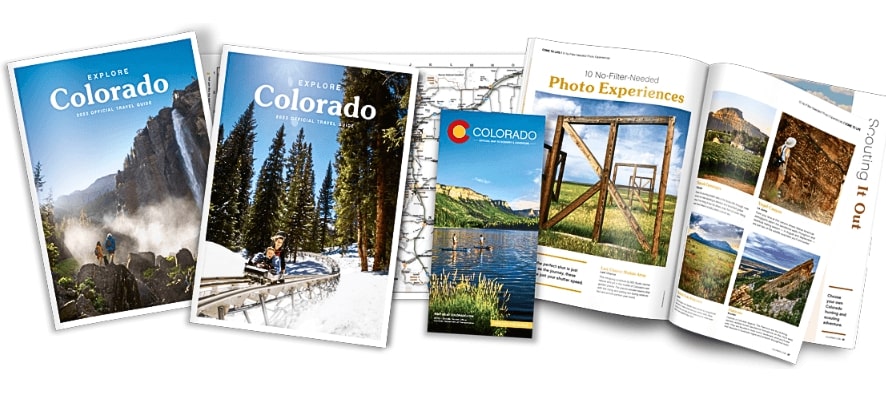
Utilizing visuals in your travel guide book can transform your readers' experience, making it more vivid and memorable. Images and graphics provide a window into the world you are describing, offering clarity and context. When you strategically use visuals, you not only attract attention but also enhance understanding. Let's delve into how you can effectively integrate visuals into your guide.
Choosing Relevant Images
Selecting images that resonate with your audience is crucial. Choose images that capture the essence of the destination. Consider the emotions and experiences you want to convey. High-quality photos can transport readers to the locale, sparking curiosity and excitement.
Think about the last travel book you read. Did the images make you feel like you were there? Aim for photos that not only depict but also evoke. Prioritize clarity and authenticity over generic stock photos.
Creating Maps And Infographics
Maps are invaluable tools in travel guides. They provide a visual sense of direction and proximity. Design maps that are easy to read and highlight key points of interest. This aids readers in planning their journey.
Infographics can simplify complex information. Use them to compare travel costs or highlight local customs. They make data accessible and engaging. As you design, focus on clarity and relevance. A well-crafted infographic can convey more than paragraphs of text.
Ever gotten lost in a foreign city? A clear map could have been a lifesaver. Ensure your maps are detailed but not overwhelming. Think of them as a guide, not a puzzle.
As you create your travel guide book, remember that visuals are your ally. They offer a glimpse of the destination and make your guide come alive. What other visual elements could captivate your readers?

Credit: www.birdsofafeatherpress.com
Editing And Proofreading
Editing and proofreading are crucial steps in writing a travel guide book. They ensure the content is clear, accurate, and engaging. These processes refine your book, making it ready for your readers. Editing involves reviewing the content for clarity and structure. Proofreading checks for errors in grammar and spelling.
Ensuring Accuracy
Accuracy is key in travel guides. Verify all facts and information. Check the names of places and historical dates. Confirm distances and travel times. Use reliable sources for your research. Double-check any local customs or traditions mentioned. Accurate information builds trust with your readers.
Maintaining Consistency
Consistency in your writing style is important. Stick to a uniform tone throughout the book. Use consistent terminology and formatting. Ensure headings, subheadings, and lists follow a pattern. Consistency helps readers follow your guide easily. A consistent style enhances the professional look of your book.
Publishing And Marketing
Publishing and marketing your travel guide is crucial for success. After writing your guide, you need to decide how to share it with readers. Explore different publishing options. Then, focus on promoting your book to reach a wider audience. Engage with potential readers and build a community around your guide.
Choosing A Publishing Route
Decide between traditional and self-publishing. Each has its pros and cons. Traditional publishing offers credibility and wider distribution. But it may involve a lengthy process and less control. Self-publishing gives you full control and faster release. Yet, it requires more effort in marketing and distribution. Consider your goals and resources before choosing.
Research publishing platforms suitable for travel guides. Amazon Kindle Direct Publishing (KDP) is popular for self-publishers. It offers tools for eBooks and print-on-demand. Other options include Apple Books and Barnes & Noble Press. Compare the platforms and their services. Pick one that aligns with your needs.
Promoting Your Travel Guide
Start promoting your guide early. Build anticipation among potential readers. Use social media platforms to share insights and sneak peeks. Create engaging posts about your travel experiences. Connect with travel bloggers and influencers. They can help spread the word about your guide.
Consider setting up a website or blog. Share articles and stories related to your guide. This creates a personal connection with your audience. Engage with your readers through comments and feedback. Encourage readers to leave reviews on platforms like Amazon. Positive reviews increase visibility and attract more readers.
Host virtual events or webinars about your book. Discuss travel tips and unique destinations. These events provide an interactive platform for readers. It helps in building a loyal community around your travel guide.
Learning From Feedback
Creating a travel guide book requires listening to your readers. Feedback helps improve the content and makes it more engaging. Understanding what your audience thinks can refine your guide into a valuable resource.
Reader Reviews
Reader reviews are crucial. They offer insights into what works and what doesn't. Pay attention to comments on clarity, accuracy, and usefulness. Positive reviews confirm what readers enjoy. Critical reviews highlight areas needing improvement.
Encourage readers to share honest thoughts. Ask specific questions about their experience. Did they find the guide helpful? Was the information easy to understand? These questions guide your revisions.
Incorporating Suggestions
Suggestions from readers can enhance your travel guide. Use feedback to fix errors and fill gaps. Readers often know what information they need. Listening to their suggestions can make your guide more comprehensive.
Consider all feedback seriously. Prioritize common suggestions. They indicate what most readers want. Implementing changes shows readers you value their input. This builds trust and encourages future engagement.
Frequently Asked Questions
What Is The First Step In Writing A Travel Guide?
The first step is thorough research. Understand the destination's culture, history, and attractions. Gather information from reputable sources. Plan your chapters and organize the content. This foundational step ensures your travel guide is informative and engaging.
How Do You Choose Destinations To Include?
Select destinations based on popularity, uniqueness, and traveler interest. Consider including hidden gems alongside famous spots. Ensure a diverse range of experiences, catering to different travel styles. This balance makes your guide appealing to a wider audience.
What Should A Travel Guide Book Cover?
A travel guide should cover essential information like attractions, accommodations, and local cuisine. Include transportation options and cultural insights. Provide practical tips and safety advice. Ensure the content is up-to-date and useful for travelers.
How Can You Make Your Guide Engaging?
Use vivid descriptions and personal anecdotes to bring the destination to life. Incorporate striking visuals and maps for clarity. Engage readers with insider tips and lesser-known facts. An engaging guide captivates and inspires readers to explore.
Conclusion
Writing a travel guide book can be rewarding. It helps share adventures and knowledge. Start by knowing your destination well. Research thoroughly and visit places firsthand. Share personal stories to engage readers. Use simple language to keep it clear. Include useful tips and local insights.
Your guide should inspire exploration. Keep revising to improve clarity. Make it interesting and helpful. Encourage readers to explore the world confidently. Crafting a good guide takes time and effort. But the joy it brings is worth it. Happy writing!