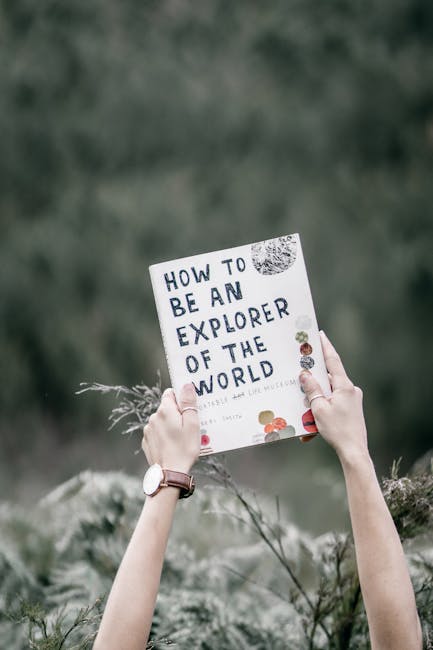

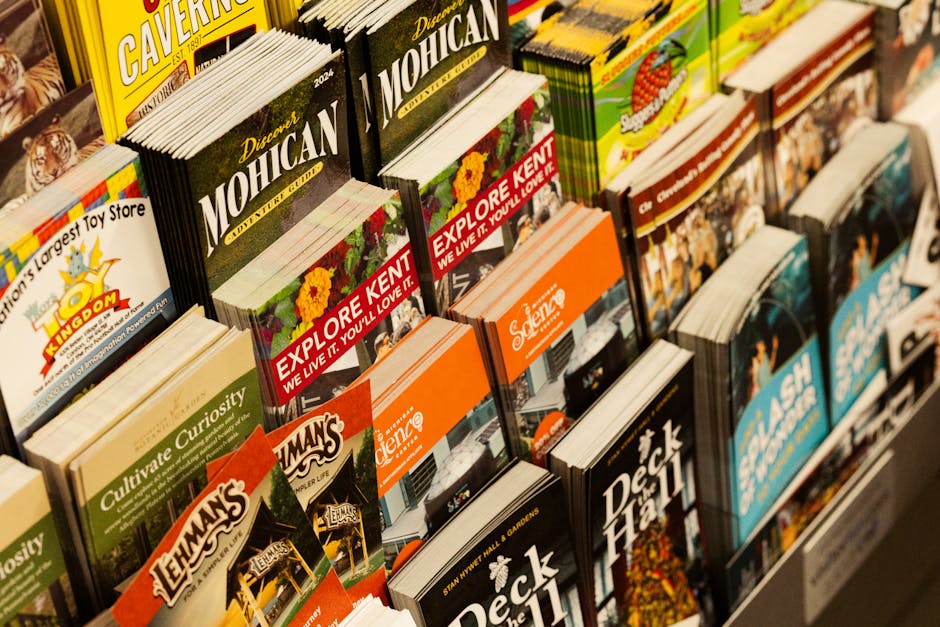
Imagine holding a travel guide book in your hands, its pages filled with vivid descriptions of exotic places and hidden gems. You might wonder, does crafting such a guide require the author to have trotted across the globe themselves?
If you're passionate about travel, or maybe dreaming of writing your own guide, this question might intrigue you. You want to know if personal experience is the secret ingredient to capturing the essence of a location, or if research and imagination can suffice.
We will uncover the truth behind travel guide writing. We'll explore the balance between firsthand experience and creative research, helping you decide if you need to pack your bags or just your ideas. Keep reading to discover how travel guides are really crafted and how you can embark on your own writing adventure.
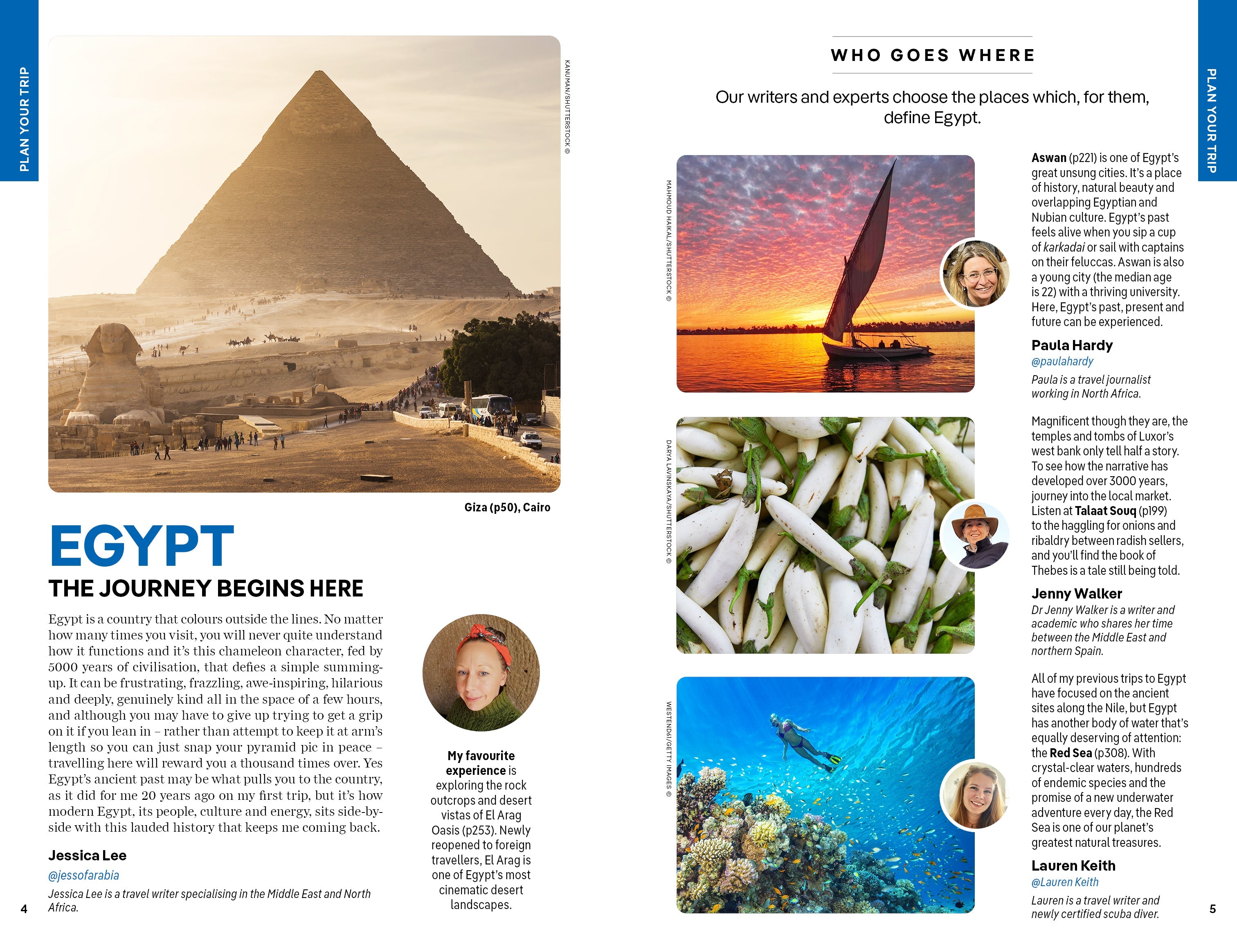
Credit: shop.lonelyplanet.com
Role Of Travel In Guidebook Writing
Exploring destinations firsthand enriches travel guidebook writing, offering authentic insights. Personal experiences bring depth and accuracy to descriptions. Travel is crucial for capturing local culture and nuances.
Travel guidebooks are a treasured resource for wanderlust-driven individuals seeking authentic and insightful experiences. But does writing these guides require the author to travel extensively? Let’s explore the vital role travel plays in crafting compelling guidebooks.
First-hand Experience Matters
When you visit a place personally, you grasp the nuances that are often missed by online research. You can describe the aroma of local cuisine or the genuine friendliness of the locals. Traveling allows you to offer readers an authentic perspective. Your experiences become the bedrock of your recommendations and advice.
Capturing Local Culture
Immersing yourself in the local culture is irreplaceable. You gain insights into customs, traditions, and daily life that enrich your writing. Imagine trying to capture the essence of a bustling street market or a serene temple without experiencing it firsthand. Your readers crave these vivid details that only travel can provide.
Uncovering Hidden Gems
Guidebooks thrive on unique discoveries. Traveling enables you to uncover hidden gems—those off-the-beaten-path locations that surprise and delight. Readers rely on your guide to lead them to places not found in generic travel resources. Your journey becomes a treasure hunt, and you share the spoils.
Building Credibility
When you’ve walked the streets and tasted the food, your guidebook gains authenticity. Readers trust your advice because they know you’ve been there. Would you follow a map drawn by someone who has never visited the destination? Your travels bolster your credibility, making your guidebook a reliable companion.
Creating Relatable Narratives
Travel allows you to weave personal stories into your writing. These narratives resonate with readers, making your guidebook engaging and relatable. Sharing how a local helped you find a hidden cafe adds warmth and depth. Readers connect with these stories, enriching their travel experience.
Adapting To Change
Destinations change over time—new attractions open, and old ones fade. Traveling ensures your guidebook remains current and relevant. By visiting the location, you notice changes that could impact your readers. Would you want outdated advice when planning your trip?
Inspiring Passion
Your passion for travel is infectious. When you explore new places, it infuses excitement and enthusiasm into your writing. Readers sense your love for travel through your guidebook, inspiring them to embark on their own adventures. Can you ignite wanderlust without experiencing it yourself? Traveling not only enriches your guidebook with authentic insights but also fuels your passion and credibility. As you plan your next guidebook, consider the profound impact that firsthand travel can have on your writing.

Credit: www.amazon.com
Research Methods For Travel Guides
Travel guidebooks benefit from firsthand experiences. Traveling enriches the content with genuine insights and local details. Yet, thorough research can also supplement knowledge when actual travel isn't feasible.
Researching for a travel guide is like piecing together a puzzle of a destination's culture, history, and everyday life. While many assume that writing a travel guide means you must visit the place, it's not always the case. With the right research methods, you can craft a compelling travel guide that feels as authentic as a local's perspective.
Online Resources
The internet is a treasure trove of information that can be your best friend when writing travel guides. Websites like TripAdvisor, Lonely Planet, and even local tourism boards provide valuable insights into popular attractions and hidden gems. Social media platforms like Instagram and travel blogs offer real-time updates and personal experiences from travelers. You can explore Google Maps for street views and virtual tours to get a feel for the layout and vibe of a place.
Local Insights
Connecting with locals can offer insights that no online resource can match. Reach out to residents through platforms like Couchsurfing or local Facebook groups. Conduct interviews or casual chats with locals who can provide firsthand experiences and recommendations. These insights help paint a vivid picture of daily life and lesser-known spots that tourists might overlook.
Historical Context
Understanding the history of a place adds depth to your guide. Dive into online archives, history books, and documentaries to learn about significant events and cultural shifts. This background information not only enriches the content but also helps you explain why certain landmarks or traditions are important. Presenting historical context can make the destination come alive in the minds of your readers. When you think about writing a travel guide, consider how these methods can equip you with the knowledge needed to create engaging and informative content. Have you tried any unique research methods while exploring a new place? Engaging with multiple sources not only broadens your perspective but also ensures that your guide is comprehensive and captivating.
Benefits Of First-hand Experience
Writing travel guide books can be an exciting journey. Experiencing a location first-hand offers unique benefits for authors. Travelers often seek authentic, trustworthy advice. This is best provided by those who have explored the destination. First-hand experiences enrich travel guides. They provide depth and a personal touch. Let's explore these benefits further.
Authentic Recommendations
Personal visits to destinations help authors suggest genuine places. They can share insights into hidden gems. Authors who have traveled can recommend real experiences. Their suggestions carry weight because they have been there. Readers trust advice grounded in actual visits. It helps them plan a better trip.
Personal Anecdotes
First-hand experiences offer stories that engage readers. Authors share memorable events from their travels. These anecdotes bring the guide to life. They make it relatable and interesting. Stories of personal adventures captivate readers. They make the guide feel like a friendly companion.
Cultural Nuances
Visiting a place offers insights into its cultural nuances. Authors learn about local customs and traditions. They can write about interactions with locals. This provides a deeper understanding of the culture. Guides with cultural insights are more informative. They help travelers connect with the destination.
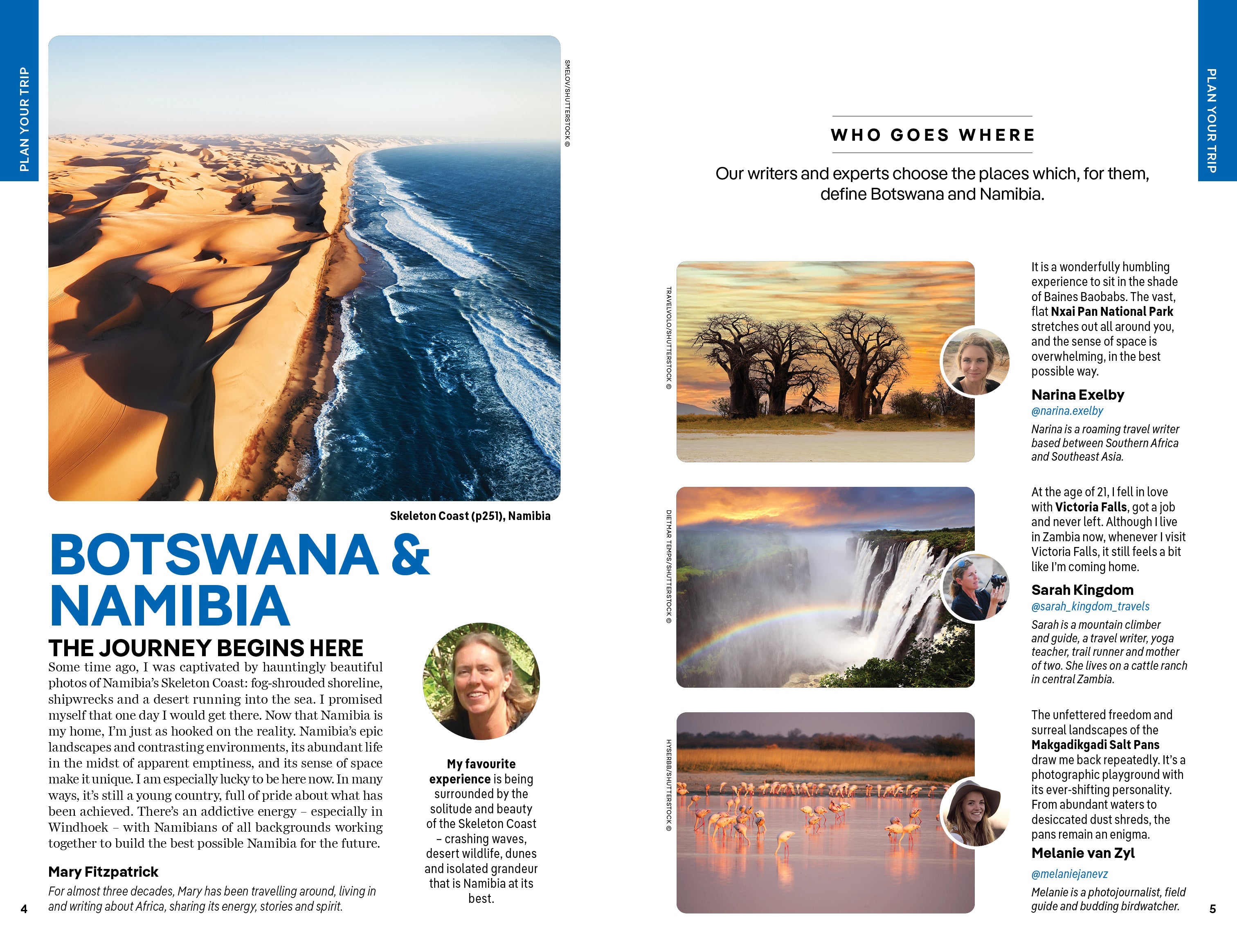
Credit: shop.lonelyplanet.com
Challenges Of Writing Without Traveling
Crafting travel guide books presents unique challenges without firsthand exploration. Authentic descriptions and vivid imagery become difficult to achieve. Writers must rely on secondhand sources, potentially compromising personal insight and unique perspectives.
Writing travel guide books without traveling poses unique challenges. Authors face difficulties in capturing the essence of places they've never visited. This task requires relying heavily on second-hand information. Writers must be cautious about the accuracy and authenticity of their content. Without personal experience, certain elements of travel writing can become notably challenging.
Reliability Of Sources
Writers without firsthand experience rely on various sources. These include online reviews, articles, and travel blogs. Not all sources are reliable. Some may contain outdated or incorrect information. Authors must verify facts through multiple references. This process can be time-consuming and complex. Relying on inaccurate data can mislead readers.
Missing Sensory Details
Travel writing thrives on sensory details. Descriptions of scents, sounds, and sights enrich the narrative. Writers who haven't visited a place miss these personal insights. They cannot describe the aroma of local cuisine. They miss the unique sounds of bustling markets. This absence can make the guidebook feel flat.
Potential Biases
Without direct experience, authors may carry unconscious biases. They might inadvertently focus on popular stereotypes. This can lead to a skewed portrayal of a location. Such biases may affect the book's credibility. Readers seek authentic and balanced views. It's crucial to present diverse perspectives.
Successful Travel Guide Authors
Successful travel guide authors have a unique knack for storytelling. They transport readers to distant lands with vivid descriptions. But, does every travel guide author need to visit these places? Some say yes, others disagree. The debate is ongoing.
Case Studies
Many travel guide authors explore the world. They gather firsthand experiences. Take Rick Steves, for example. He visits each destination. He immerses himself in local cultures. This authenticity shines through his guides.
Another example is Samantha Brown. She travels extensively for her research. She believes in experiencing places personally. Her guides offer personal anecdotes and insider tips.
Techniques Used
Some authors rely on extensive research. They use online resources and interviews. This method suits those who can't travel. They gather insights from locals and experts.
Another technique involves using historical data. Authors study past records and reviews. They gain a comprehensive view of the place. This method helps build a detailed guide.
Some authors combine both methods. They travel when possible. They also supplement with research. This approach ensures accuracy and depth.
Technological Aids In Travel Writing
In today's digital age, writing travel guide books no longer strictly requires you to pack your bags and set off on a journey. Thanks to technological aids, travel writers can create compelling narratives without ever leaving their desks. This doesn’t mean that the authenticity of firsthand experience is lost, but it opens up new avenues for research and exploration. Let's dive into how technology plays a crucial role in enhancing travel writing.
Virtual Tours
Virtual tours offer a remarkable way to explore destinations from the comfort of your home. You can virtually visit museums, historical sites, or even walk through bustling city streets. This tool allows you to observe and describe places with precision. Consider how you can take a digital stroll through the Louvre in Paris, absorbing the ambiance and intricate details, all without stepping on a plane. By using virtual tours, you can detail the layout, art pieces, and even the lighting of a place as if you were there.
Social Media Insights
Social media platforms like Instagram and Facebook offer a treasure trove of real-time information. Travelers love sharing their experiences, and these posts can provide valuable insights into local trends, popular spots, and off-the-beaten-path locations. Are you looking to write about a hidden gem in Tokyo? A quick search can lead you to posts from locals and tourists alike. These insights allow you to capture the essence of a place, its culture, and its people, making your travel guide more relatable and current.
Geographic Information Systems
Geographic Information Systems (GIS) are powerful tools for understanding spatial data. They can help you analyze locations, distances, and even demographic information. Think of how you can map out a travel itinerary with precision, showing not just the routes but also highlighting nearby attractions. GIS technology can also provide information on environmental factors, such as weather patterns or elevation changes. This data can enrich your travel guide, offering readers detailed and practical advice for their journeys.
As you consider these technological aids, think about how they can enhance your travel writing. How do you balance the virtual experience with the need for authenticity? Can technology truly replace the feeling of being there? The answers may vary, but these tools undeniably broaden the horizons for travel writers, enabling you to craft guides that are both informative and engaging. Embrace the technology, and let it be your companion on this creative journey.
Balancing Travel And Research
Writing travel guide books requires striking a delicate balance between travel and research. Authors often face the challenge of gathering accurate information while managing costs, time, and environmental impact. This balance is crucial for creating reliable and engaging content.
Cost Considerations
Traveling can be expensive. Flights, accommodations, and meals add up quickly. Authors must weigh these costs against their budget. Alternatives like virtual tours, online resources, and local contacts may offer cost-effective solutions. These methods can reduce expenses without compromising content quality.
Time Management
Time is precious for travel guide writers. Research requires careful planning. Writers often juggle travel schedules with deadlines. Prioritizing tasks and setting realistic goals helps manage time effectively. Efficient planning ensures that research is thorough yet timely.
Sustainability Concerns
Environmental impact is a growing concern. Frequent travel can contribute to carbon emissions. Writers should consider sustainable practices. Choosing eco-friendly transportation and accommodations makes a difference. Remote research can also minimize travel, promoting sustainability in travel writing.
Frequently Asked Questions
Do Travel Guide Authors Need To Travel?
Traveling enriches the authenticity of guide books, yet it's not mandatory. Authors can research extensively online, through interviews, and by using existing resources. However, personal experiences often add depth and unique insights. Therefore, while not essential, traveling can significantly enhance the quality and relatability of travel guide books.
Can One Write A Travel Guide Without Visiting?
Yes, it's possible to write a travel guide without visiting. With comprehensive research, authors can gather sufficient information online, through books, or by interviewing locals. However, personal visits can offer unique perspectives and experiences that enhance the authenticity and credibility of the guide.
How Important Is Firsthand Experience In Travel Writing?
Firsthand experience is highly valuable in travel writing. It provides unique insights and personal anecdotes that enrich the narrative. While not strictly necessary, it adds authenticity and depth. Readers often seek genuine experiences and recommendations, which firsthand experience can effectively deliver.
Are Virtual Tours Enough For Writing Guides?
Virtual tours can be a helpful tool for writing guides. They offer visual insights and a sense of place. However, they may not capture the full experience. Combining virtual tours with thorough research and local insights can create a comprehensive and authentic travel guide.
Conclusion
Traveling enriches the writing of travel guidebooks. Personal experiences add depth and authenticity. Writers can capture local culture vividly. Yet, it's not always essential. Research and local insights can fill gaps. Online tools and interviews provide valuable information. Both methods have their strengths.
Combining travel with research often yields the best results. Each writer must choose their path. What matters is creating a guide that inspires and informs. Readers seek genuine, useful content. So, whether traveling or not, focus on delivering value. Write guides that spark wanderlust and enrich journeys.