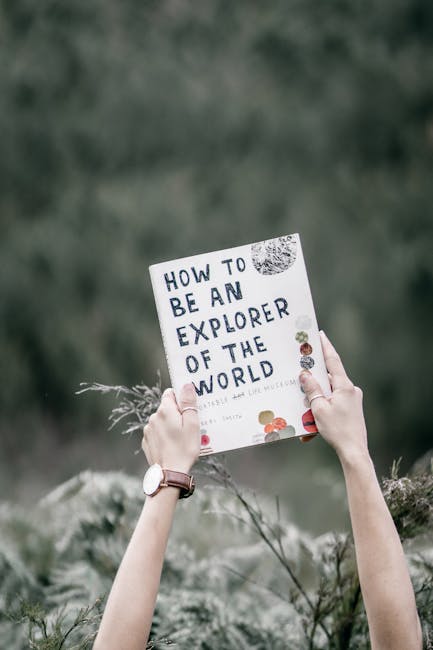

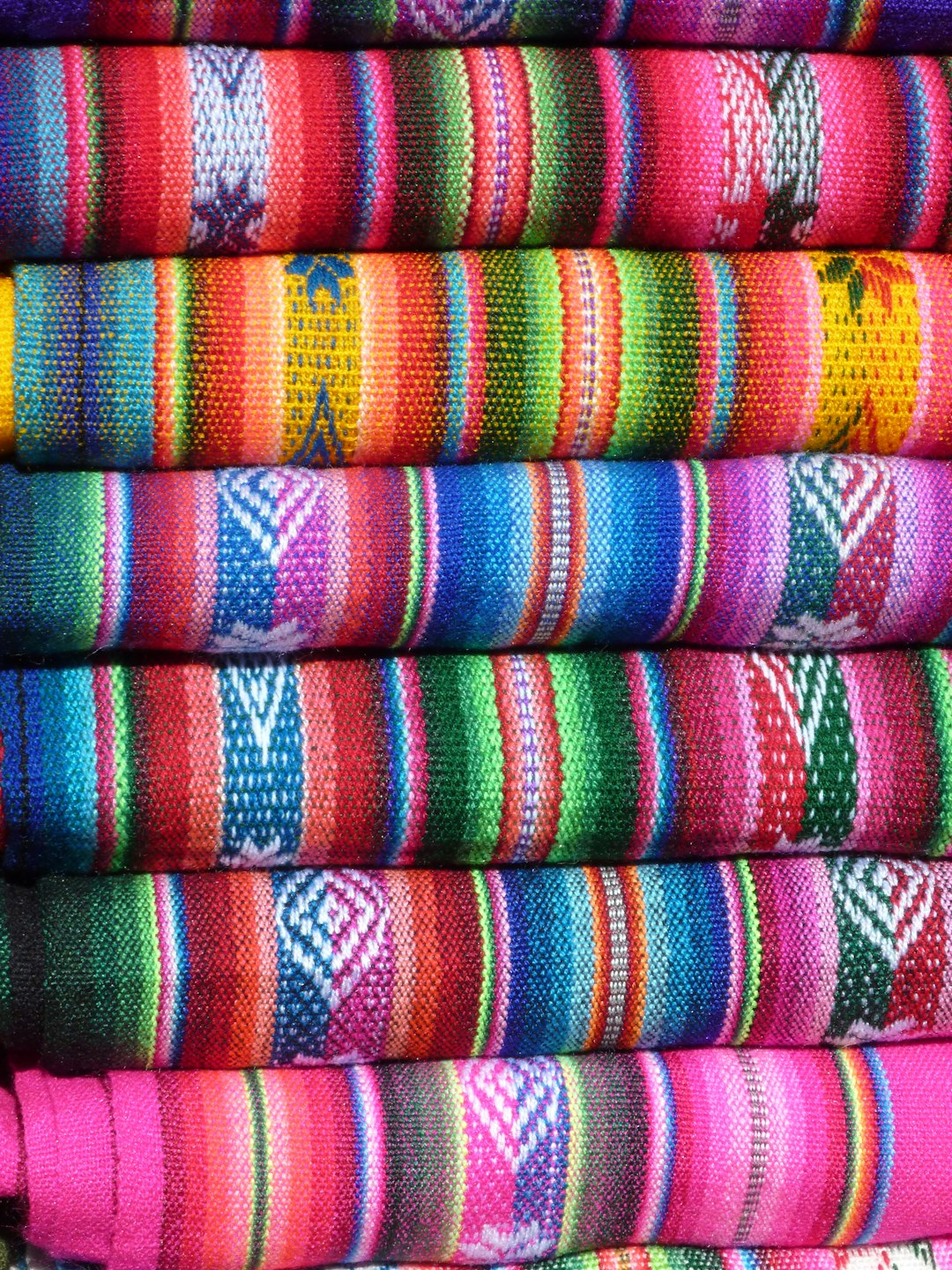
Imagine stepping into a world where vibrant colors and intricate patterns tell stories of ancient cultures and modern artistry. You find yourself in Guatemala, a land rich in textile tradition and creativity.
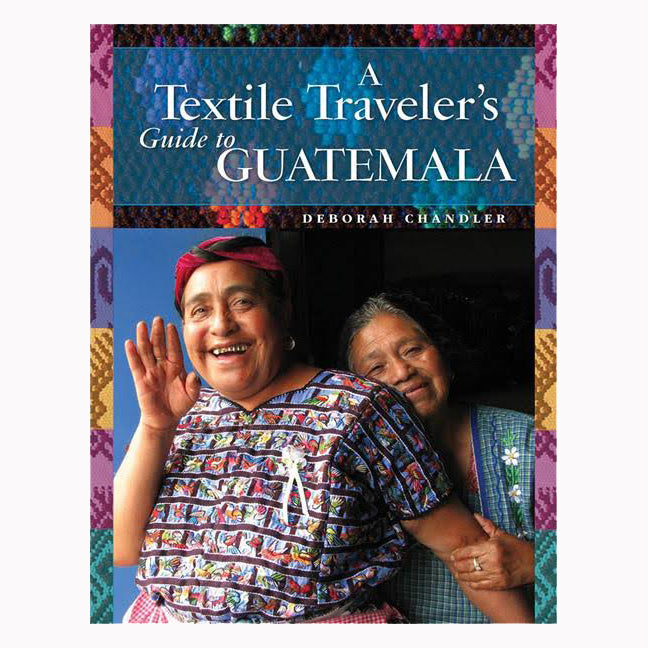
But where do you begin exploring this tapestry of history and craft? "A Textile Traveler's Guide to Guatemala" by Deborah Chandler is your perfect companion. This guide not only opens the doors to discovering Guatemala's rich textile heritage but also invites you to immerse yourself in its cultural tapestry.
As you delve into the pages, you'll uncover hidden gems and meet artisans who pour their soul into every thread. Are you ready to experience Guatemala in a way that touches your heart and excites your senses? This guide promises to be your passport to a world where every fabric has a story to tell.
Guatemala's Rich Textile Heritage
Guatemala's textile heritage is a vibrant tapestry of history, artistry, and culture. When you explore the intricate patterns and vivid colors found in Guatemalan textiles, you're not just looking at fabric; you're gazing into the soul of a nation. Deborah Chandler’s guide invites you to appreciate these creations, offering insights into the rich traditions that have been passed down through generations.
Guatemalan Textiles: A Living History
Every piece of Guatemalan textile tells a story. These stories are woven through time, connecting the past with the present. As you touch these fabrics, consider the hands that crafted them and the cultural narratives they embody.
Guatemalan weavers often use techniques that have been passed down for centuries. This makes each textile a living piece of history, reflecting the resilience and creativity of its people.
The Artistry Behind Every Thread
Guatemalan textiles are renowned for their detailed patterns and vibrant colors. Artisans use a variety of methods, including backstrap loom weaving, to create their masterpieces.
These methods require incredible skill and precision. Watching a weaver at work might leave you amazed at the dexterity and focus required to produce such intricate designs.
Textiles As Cultural Identity
In Guatemala, textiles are more than just clothing or decoration. They are a form of cultural expression and identity. Each region has its own distinct styles and motifs, representing local traditions and stories.
Consider how textiles serve as a visual language, communicating values, beliefs, and history. Would you be able to decipher the stories and symbols embedded within these fabrics?
Supporting Local Artisans
Purchasing Guatemalan textiles not only enriches your collection but also supports local artisans. Many weavers rely on their craft for livelihood, making your purchase a direct contribution to their communities.
Think about how your choices can impact the preservation of cultural heritage. Are you supporting sustainable practices and fair trade? Your decisions can help ensure these traditions continue to thrive.
Exploring Textile Markets In Guatemala
Guatemala’s bustling markets are treasure troves for textile enthusiasts. Stalls are brimming with vibrant fabrics, each more eye-catching than the last.
When visiting these markets, engage with the artisans. Ask them about their craft, their techniques, and the stories behind their creations. You’ll find that every piece has a unique narrative waiting to be discovered.

Credit: woolery.com
Traditional Weaving Techniques
Traditional weaving techniques in Guatemala are a testament to the country's rich cultural heritage. These methods have been passed down through generations, offering a glimpse into the lives and stories of the artisans. In Deborah Chandler's "A Textile Traveler's Guide to Guatemala," you are invited to explore these intricate processes that keep history alive.
Backstrap Looms
Imagine a simple, portable loom that is as much a part of the weaver as the fabric itself. The backstrap loom, used predominantly by Mayan women, consists of just a few wooden rods and a strap that wraps around the weaver’s back. This intimate setup allows for a personal connection with every thread.
As you watch a weaver at work, notice how they skillfully adjust tension with their bodies. This technique creates intricate patterns and vibrant textiles that reflect their cultural identity. You might wonder, how does such a simple tool produce such complex designs?
Consider trying a backstrap loom workshop during your visit. It’s a hands-on way to appreciate the skill involved and to create your own piece of Guatemalan heritage. Will you feel the same connection to history as these artisans do?
Foot Looms
The foot loom, introduced during colonial times, offers a different experience. Larger and more mechanical, it allows for the production of broader textiles and is often operated by men. This loom, though less personal, still requires a deep understanding of weaving techniques.
In the bustling workshops, you’ll hear the rhythmic clatter of wooden beams. This sound is the heartbeat of a community, working together to produce vibrant fabrics for the market. Watching these looms in action, you might appreciate how innovation and tradition coexist.
Consider the craftsmanship behind each piece of cloth. Each fabric tells a story of adaptation and resilience. How might these stories influence your perception of the clothes you wear every day?
Both backstrap and foot looms showcase the artistry and dedication of Guatemalan weavers. As you explore these techniques, you not only witness a craft but also engage with a culture that values creativity and heritage. What will you take away from this rich tapestry of tradition?
Iconic Patterns And Motifs
Guatemala's textiles are a vibrant tapestry of history and culture. The patterns and motifs in these textiles tell stories of the past. They reflect the rich heritage of the Mayan civilization. Each piece is a unique expression of identity and tradition. Discover the meaning behind these iconic designs in Deborah Chandler's "A Textile Traveler's Guide to Guatemala."
Mayan Influences
The Mayan culture deeply influences Guatemalan textiles. Traditional weavers pass down techniques through generations. The Mayans use natural dyes from plants and insects. These dyes create vivid colors that are characteristic of Guatemalan textiles. Intricate patterns depict scenes from nature and mythology. They are not just decorative but hold cultural significance.
Each region has its unique style and pattern. The diversity reflects the various Mayan communities across Guatemala. Some patterns represent local flora and fauna. Others symbolize the community’s history and beliefs. Understanding these influences provides insight into Mayan culture.
Symbolism In Weaves
Weaves in Guatemalan textiles carry deep symbolism. Each motif tells a story or conveys a message. Common motifs include animals, plants, and geometric shapes. Animals often symbolize traits like strength or wisdom. Geometric shapes can represent the universe or spiritual beliefs.
Colors also hold special meanings in these textiles. Red often signifies life or passion. Blue might represent the sky or water. These meanings vary from one community to another. The symbolism enriches the textiles’ beauty and meaning. It makes each piece a unique cultural artifact.
Key Textile Regions
Guatemala is a vibrant tapestry of colors, traditions, and cultures, especially reflected in its rich textile regions. Deborah Chandler's "A Textile Traveler's Guide to Guatemala" offers an in-depth look into the key areas where textile artistry flourishes. These regions are not just places on a map; they are living stories of creativity, craftsmanship, and community. As you explore these areas, you'll discover the unique techniques and designs that define Guatemalan textiles. Let's dive into some of the most renowned regions: Chichicastenango, Sololá, and Santiago Atitlán.
Chichicastenango
Chichicastenango is more than its famous market. It's a hub for exquisite textile craftsmanship. Here, you find intricate patterns that narrate the cultural heritage of the K'iche' people. The vibrant hues are not random; they tell stories of nature, spirituality, and daily life.
Visiting Chichicastenango, you might notice how the artisans use traditional backstrap looms. Imagine watching them weave with such precision and passion. As you walk through the market, consider asking about the significance of their designs. You’ll find each pattern holds a piece of history.
Sololá
Sololá offers a different textile experience. It's a place where modernity meets tradition. The textiles here often feature bold geometric shapes that stand out, reflecting the Tz'utujil culture's unique aesthetics.
In Sololá, you might be surprised at how the artisans blend contemporary motifs with age-old techniques. You can explore workshops where the magic happens. Have you ever thought about how these designs influence fashion globally? Sololá's textiles are making waves far beyond Guatemala.
Santiago Atitlán
Santiago Atitlán is nestled by the picturesque Lake Atitlán, and its textiles are as breathtaking as the scenery. Here, the artistry captures the essence of the Tz'utujil people, known for their vibrant and detailed designs.
The textiles of Santiago Atitlán often depict local legends and nature. You'll see how the artisans bring these stories to life with every thread. Imagine wearing a piece of clothing that tells a tale—how does that change your connection to the garment? Santiago Atitlán offers you that unique experience.
As you explore these regions, consider how each piece of textile is a testament to the resilience and creativity of the artisans. What stories will you uncover on your journey through Guatemala's textile landscape?
Local Artisan Communities
Guatemala is a treasure trove of textile artistry, with local artisan communities playing a pivotal role in preserving and innovating traditional weaving techniques. When you visit these communities, you step into a vibrant world where culture and creativity intertwine. These artisans breathe life into fabrics, each piece telling a unique story of heritage and skill.
Cooperatives And Collectives
In Guatemala, cooperatives and collectives are the backbone of the textile industry. They are hubs where artisans collaborate, share resources, and support each other. These groups not only enhance production efficiency but also foster a sense of community.
Imagine walking into a cooperative buzzing with activity; the rhythmic sound of weaving looms fills the air, and you see artisans exchanging ideas and techniques. It’s a place where creativity thrives and bonds are forged.
By purchasing from cooperatives, you contribute directly to sustaining these communities. You help ensure that skilled artisans receive fair compensation for their labor and creativity. Have you ever thought about how your choices impact their livelihoods?
Empowering Women Weavers
Women weavers in Guatemala are transforming the textile landscape with their unparalleled skills. They master complex patterns and vivid colors, creating pieces that are as beautiful as they are meaningful. Many of these women are leaders within their communities, driving innovation and sustainability.
Meeting these women can be a profound experience. Their resilience and dedication are evident in their work, and they often share stories of how weaving has empowered them. This empowerment is not just economic; it’s personal and communal, fostering confidence and independence.
Supporting women weavers means supporting a movement. You become part of a narrative that champions equality and opportunity. Have you considered how your engagement with their work can spark change?
Guatemala's artisan communities offer more than just textiles; they offer a window into a world of cultural richness and personal stories. As you explore, think about the impact of your choices and how they can empower and uplift these talented artisans.
Textile Markets And Shops
Guatemala is a vibrant tapestry of colors and culture. Textile markets and shops offer a rich experience for travelers. These places are brimming with the artistry and heritage of the country's skilled weavers. You'll find a variety of textiles that reflect Guatemala's traditions. They are perfect for anyone wanting a genuine piece of this beautiful nation.
Must-visit Markets
Guatemala hosts some of the most captivating textile markets. One essential stop is the Chichicastenango Market. It is famous for its colorful fabrics and lively atmosphere. Here, visitors can explore a wide range of traditional garments. Each piece tells a story of the region's rich history.
Another must-see is the Sololá Market. It is known for its unique patterns and vibrant hues. The local artisans showcase their weaving skills here. Shoppers will find exquisite textiles that are both beautiful and authentic.
Unique Finds And Souvenirs
Textile markets in Guatemala offer more than just fabrics. They are a treasure trove of unique finds. Handmade bags, scarves, and belts are popular among tourists. These items make perfect souvenirs that are easy to pack.
Seek out embroidered shirts and handwoven blankets. These pieces are crafted with care and attention to detail. Each item captures the essence of Guatemalan culture. They are ideal for those wanting a memorable keepsake.
Cultural Significance Of Textiles
Textiles hold a deep cultural significance in Guatemala. They are not just fabrics; they are stories woven into cloth. Each piece reflects the heritage and traditions of the people. From vibrant colors to intricate designs, textiles tell tales of identity and ceremony. Deborah Chandler's guide explores these rich narratives, immersing travelers in the textile traditions of Guatemala.
Clothing And Identity
In Guatemala, clothing is an expression of identity. Each region has its own unique textile style. Colors and patterns signify the wearer's community and ancestry. Traditional garments, like huipils, are adorned with symbolic motifs. These motifs convey messages about the wearer's life and beliefs. Wearing these textiles is a way to honor one's heritage. They connect individuals to their roots and community.
Textiles In Ceremonies
Textiles play a vital role in ceremonies. They are used in weddings, births, and religious events. Each ceremony has specific textiles that carry meaning. For weddings, special cloths symbolize union and prosperity. In religious rites, textiles are offerings to ancestors. They hold spiritual significance and are treated with reverence. Chandler's guide reveals the importance of textiles in these sacred moments.
Sustainable Practices In Weaving
Guatemala offers more than vibrant textiles. It embraces sustainable weaving practices. In "A Textile Traveler's Guide to Guatemala" by Deborah Chandler, we explore these eco-friendly methods. The book highlights ways weavers protect their environment. It also showcases how they keep traditions alive. Let's dive into these sustainable practices.
Eco-friendly Materials
Many Guatemalan weavers choose natural fibers. Cotton and wool are common choices. These materials are biodegradable. They have less impact on the earth. Plant dyes are also popular. They come from local sources. Plants like indigo and cochineal provide rich colors. These dyes cause no harm to the environment. Weavers use them to create beautiful patterns. All while respecting nature.
Preserving Traditions
Weaving is a cherished tradition in Guatemala. It connects generations. Many techniques have passed down through families. Weavers use traditional looms. Backstrap looms are especially common. These looms are portable and simple. They require no electricity. This helps reduce energy use. By preserving these methods, weavers honor their heritage. They also contribute to sustainability. Each piece tells a story. A story of culture and respect for the earth.
Tips For Textile Travelers
Discover vibrant Guatemalan textiles with Deborah Chandler's guide. Explore traditional weaving techniques and colorful markets. A must-read for textile enthusiasts visiting Guatemala.
Embarking on a textile journey through Guatemala can be an unforgettable adventure. The vibrant colors and intricate designs tell stories of culture, tradition, and creativity. But as you explore, it's essential to tread thoughtfully, respecting both the artisans and their craft. Here are some practical tips to enhance your experience while ensuring your travels have a positive impact.
Respectful Engagement
When visiting local markets or workshops, it's crucial to show genuine interest in the artisans' work. Engage with them by asking questions about their techniques and the history behind their designs. A simple smile can go a long way in making connections. Be mindful of cultural differences and express appreciation for their craftsmanship. Remember, taking photos of their work or them should be done only with permission. This not only shows respect but helps in building trust.
Supporting Ethical Trade
Purchasing textiles directly from artisans supports their livelihood. It's a meaningful way to contribute to their community. Look for fair trade labels or ask vendors about their practices. Ethical purchases ensure that artisans receive fair compensation for their work. Consider the impact of your buying habits. Are you helping sustain traditional methods, or inadvertently encouraging exploitation? Every textile you acquire tells a story. Make sure it's a story of empowerment and fair trade. Your choices can make a difference. Are you ready to support artisans in a meaningful way?

Credit: www.amazon.com
Credit: www.mayanhands.org
Frequently Asked Questions
What Makes Guatemalan Textiles Unique?
Guatemalan textiles are renowned for their vibrant colors and intricate designs. Each piece reflects the rich cultural heritage of the country's indigenous communities. Artisans use traditional techniques passed down through generations. These textiles often incorporate symbolic patterns and natural dyes, making each item a unique work of art.
Where Can You Buy Authentic Guatemalan Textiles?
You can find authentic Guatemalan textiles in local markets such as Chichicastenango and Panajachel. Artisan cooperatives and workshops also offer genuine products. These venues ensure that purchases support local weavers. Always look for fair trade certifications to ensure ethical buying practices.
What Should I Know Before Visiting Guatemalan Weaving Villages?
Before visiting weaving villages, learn about local customs and traditions. Respect the artisans' privacy and workspace. It's helpful to have a basic understanding of Spanish or a local guide. Support artisans by purchasing directly from them. Always ask for permission before taking photographs.
How Do Guatemalan Textiles Reflect Cultural Identity?
Guatemalan textiles are a vivid expression of cultural identity. Each design represents a specific community and its traditions. Patterns and colors convey stories, beliefs, and history. Wearing these textiles is a way for locals to preserve and celebrate their heritage.
The artistry involved showcases the unique identity of each region.
Conclusion
Guatemala offers a vibrant textile journey. Rich colors. Unique patterns. Each piece tells a story. Deborah Chandler's guide is a valuable resource. It helps travelers discover authentic textile treasures. Engaging with local artisans enhances your experience. Gain insights into their lives and craft.
Explore markets brimming with culture. Savor the beauty of handwoven textiles. These moments create lasting memories. Guatemala's textiles are more than fabric. They connect people. They celebrate heritage. Dive into this colorful world. Appreciate its depth and history. Your textile adventure awaits.
Enjoy every thread and stitch.