

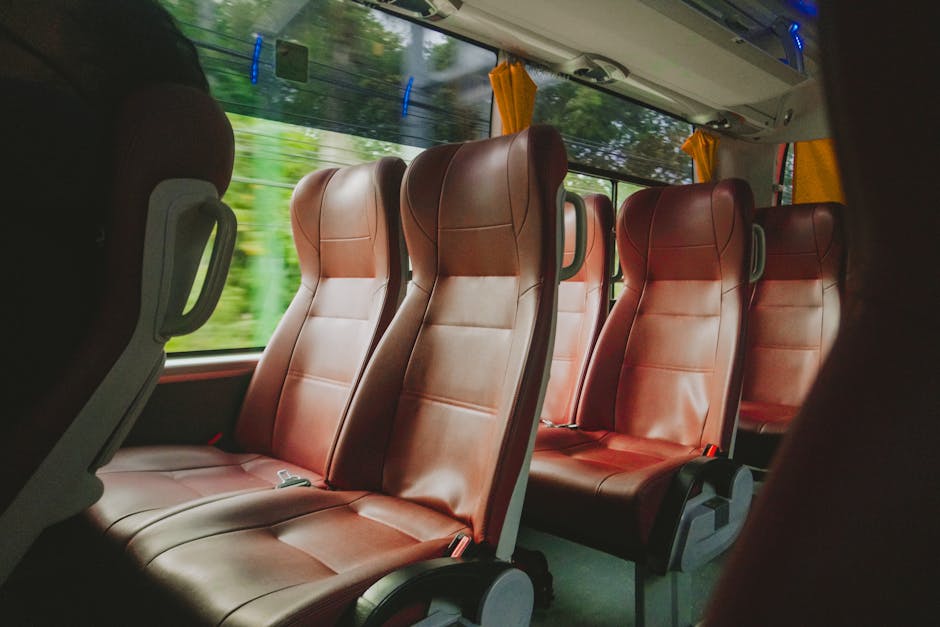
Do you travel by public transport? Whether it's a daily commute to work, a weekend trip to explore new places, or a simple way to get around town, public transportation plays a vital role in many of our lives.
But have you ever paused to think about the impact it has on your routine, your budget, or even the environment? This article will open your eyes to the surprising benefits and hidden drawbacks of public transport that you might not have considered.
We'll delve into how this mode of travel can transform your day-to-day life, offering insights that could save you time, money, and stress. Curious to know more? Keep reading to discover the secrets of smart travel choices that can enhance your life in unexpected ways.
Benefits Of Public Transport
Public transport offers numerous advantages for daily commuters and travelers. From saving money to reducing your carbon footprint, these benefits make public transport a smart choice. Let's explore some key benefits that make public transport appealing.
Cost-effectiveness
Public transport is often cheaper than driving a personal car. Tickets for buses, trains, and subways cost less than fuel and maintenance. Many cities offer discounts for students and seniors, making it even more affordable. Monthly passes can further reduce travel costs.
Environmental Impact
Public transport is kinder to the environment. Buses and trains produce less pollution per passenger compared to cars. Choosing public transit helps lower emissions and conserve energy. It supports a cleaner planet for future generations.
Convenience And Accessibility
Public transport networks cover vast areas. They connect neighborhoods, cities, and regions, making travel easy. Many stations and stops are located near popular destinations. This means you can reach schools, offices, and shops without hassle. Public transport is accessible to everyone, including those who don't drive.
Planning Your Journey
Navigating your commute with public transport can be efficient and budget-friendly. Plan routes in advance for a smoother journey. Check schedules and connect with local transit apps for updates.
Planning your journey by public transport can save time and money. With careful planning, travel becomes stress-free and enjoyable. Understanding the key steps can make a difference in your experience. Below are essential tips to ensure a smooth trip.
Choosing The Right Mode
Selecting the right mode of transport is crucial. Consider your destination and budget. Trains are often quick and efficient for long distances. Buses might offer a cost-effective option for shorter trips. If traveling within a city, subways or trams may be best. Research the options available in your area. Compare them based on speed, cost, and convenience.
Checking Schedules And Routes
Knowing the schedule helps avoid unnecessary delays. Always check the latest times before you leave. Routes can change due to construction or events. Visit the official website of the transport service. They provide updated information on schedules and routes. Note peak hours to avoid crowded rides. Planning around these times can enhance your comfort.
Using Travel Apps
Travel apps can simplify your planning process. Many apps offer real-time updates on transport schedules. They provide maps and directions to guide your journey. Some apps alert you about delays or changes. Download an app that suits your needs and region. Make sure it's up-to-date before your trip. Travel with confidence knowing you have the right tools.
Safety And Etiquette
Navigating public transport requires understanding safety and etiquette. Respecting personal space ensures comfort for everyone. Being mindful of noise levels creates a pleasant environment for all passengers.
Traveling by public transport is an experience shared by millions daily. While it offers convenience and affordability, it also demands a certain level of awareness and respect. Ensuring your safety and maintaining etiquette can significantly enhance your journey. Whether you're a seasoned commuter or new to the world of public transport, understanding the dynamics of safety and etiquette can make a world of difference. Let's dive into some practical tips and insights.
Personal Safety Tips
Your safety should always be your priority when using public transportation. Keep your belongings close and secure, especially in crowded spaces. It's wise to have a small, easily accessible bag for essentials like your phone and wallet. Stay aware of your surroundings. Notice who's around you and be cautious of anyone who seems overly interested in your activities. Trust your instincts; if something feels off, it probably is. Choose well-lit areas when waiting for transport, particularly at night. Stand near other passengers or staff to feel more secure. Your vigilance can deter potential threats.
Respecting Fellow Passengers
Public transport is a shared space, and showing respect to others is key. Keep your volume down—whether you're on a call or listening to music. No one appreciates being subjected to unwanted noise. Offer your seat to those who may need it more, like the elderly or pregnant women. It’s a small gesture that speaks volumes about your character. Simple acts of kindness can brighten someone's day. Be mindful of personal space. Avoid crowding others and be courteous in tight situations. Your consideration can make the journey more pleasant for everyone.
Handling Unforeseen Situations
Unexpected events can occur, and being prepared is crucial. If you encounter an emergency, stay calm and look for help from staff or fellow passengers. Knowing the location of emergency exits and procedures is beneficial. In case of a service disruption, have a backup plan. Familiarize yourself with alternative routes or modes of transport. Flexibility can save you time and stress. Consider what you'd do if you lost your belongings or missed your stop. Having a list of emergency contacts or essential numbers can be a lifesaver. How prepared are you for the unexpected? Traveling by public transport can be a breeze when you prioritize safety and respect. With these insights, you're equipped to make your journey smoother and more enjoyable.
Packing For The Trip
Traveling by public transport? Pack light for easy mobility. Choose a compact bag with essentials only. Keep tickets and ID handy for quick access.
Packing for a trip on public transport can be both exciting and daunting. You want to make sure you have everything you need without overstuffing your bags. Whether you're hopping on a bus, train, or metro, the key is to pack smart. Remember, the journey is just as important as the destination. So, how do you ensure you have all the essentials while keeping your belongings safe and preparing for any unexpected weather changes?
Essentials To Carry
When traveling by public transport, compactness is crucial. You want to carry items that enhance your travel experience without weighing you down. Think about what you absolutely cannot do without. A reusable water bottle is a must; it keeps you hydrated and saves money. Snacks like granola bars or nuts can tide you over during unexpected delays. Don't forget a portable charger for your devices. Imagine your phone dying when you need directions or entertainment! A small first aid kit can be handy in case of minor injuries.
Keeping Valuables Secure
Public transport can be bustling, and keeping your valuables secure is paramount. Consider using a crossbody bag or a money belt. These are harder for pickpockets to access compared to backpacks or purses. It’s wise to keep your most valuable items, like your phone, wallet, and passport, close to your body. If you use a backpack, make sure it has a lockable zipper. Have you ever found yourself distracted and realized your bag was open? It happens. By securing your belongings, you minimize risk and travel with peace of mind.
Preparing For Weather Changes
Weather can be unpredictable, especially if you're traveling to a different region. Packing layers is a smart way to stay comfortable regardless of the climate. A lightweight rain jacket or poncho is compact and can save you from getting drenched. Consider packing a scarf or a hat; they’re versatile and can keep you warm or shield you from the sun. It's also wise to check the weather forecast before you leave. But remember, forecasts aren't always accurate. Are you ready to face a sudden downpour or chilly breeze? With the right gear, you’ll be ready for anything.
Navigating Busy Stations
Traveling by public transport often means navigating busy stations. Prepare for crowds and stay alert. Keep personal items secure and plan your route in advance to make the journey smoother.
Navigating busy stations can feel overwhelming, especially if you're unfamiliar with the layout. With a sea of commuters rushing to their destinations, finding your way efficiently is crucial. But fear not—armed with a few smart strategies, you can glide through these bustling hubs with ease.
Avoiding Peak Hours
Timing is everything. Most stations experience a tidal wave of passengers during peak hours, usually in the early morning and late afternoon. If possible, adjust your travel schedule to avoid these rush periods. Not only will you find more breathing room, but you might also enjoy a quieter, more relaxed journey. Have you ever noticed how serene a station feels just after the morning rush? It’s almost like having a secret window of peace before the next wave hits. Adjusting your schedule slightly can make all the difference.
Quick Ticketing Tips
Getting your ticket in advance can save you a lot of hassle. Use mobile apps or online services to purchase tickets before you arrive at the station. This way, you can sidestep long queues at the ticket counters. If technology isn't your thing, look for ticket machines instead of waiting in line for a cashier. They're often quicker and more efficient, allowing you to get on your way faster.
Efficient Transfers
Transfers can be tricky, especially in large stations with multiple platforms. Familiarize yourself with the station layout before your trip. Most stations have maps available online or at the entrance. Keep an eye on the station signs and listen for announcements. They often provide real-time updates on platform changes, which can save you from a last-minute dash. Have you ever missed a connection because you didn't know where to go? It's a common problem, but with a bit of prep work, you can navigate transfers smoothly. Navigating busy stations doesn’t have to be a stressful experience. With these tips, you'll find yourself moving through even the busiest hubs with confidence and ease. What's your best tip for navigating busy stations? Share your thoughts in the comments below!
Making The Ride Comfortable
Public transport offers a practical way to travel. Making the ride comfortable enhances the experience. Simple choices can make a big difference. From selecting the ideal seat to keeping entertained, every decision matters. Let's explore how to make your journey more enjoyable.
Choosing The Right Seat
The seat you choose influences your comfort. Seek seats with ample legroom. Window seats offer a scenic view. Aisle seats allow easy access. Avoid seats near doors for a quieter ride. Look for seats with adjustable features for added comfort.
Entertaining Yourself
Keeping occupied makes the journey enjoyable. Bring a book or magazine to read. Listen to music or podcasts. Download movies or series to watch offline. Take a sketchbook for drawing. Play games on your phone or tablet.
Staying Connected
Staying connected is crucial for many travelers. Check if the transport offers Wi-Fi. Use mobile data for internet access. Keep in touch with friends via messages. Browse social media during the ride. Charge your devices before leaving.
Dealing With Delays
Public transport offers convenience and affordability. But delays can test patience. Learning to handle delays with ease can transform your travel experience. Whether it's unexpected traffic or technical issues, being prepared makes a difference.
Staying Informed
Always check travel updates before heading out. Use apps for real-time information. Follow local transport social media pages. Notifications alert you to changes in schedules. Knowing the latest news helps you plan better.
Alternative Routes
Explore different paths to your destination. Multiple routes offer flexibility. Consider walking or biking for shorter distances. Research nearby bus or train stations. Having options reduces stress during unexpected delays.
Managing Time Effectively
Plan your day with buffer times. Allocate extra minutes for potential delays. Use waiting time productively. Read a book or listen to music. A well-managed schedule keeps you calm and focused.
Frequently Asked Questions
What Are The Benefits Of Using Public Transport?
Public transport reduces traffic congestion and lowers carbon emissions. It's cost-effective compared to owning a car. Public transit systems offer convenience and reliability. They also provide opportunities to relax or work during commutes. Additionally, public transport promotes community interaction and supports local economies.
How Safe Is Public Transportation?
Public transportation is generally safe with regular maintenance and security measures. Transit authorities prioritize passenger safety through surveillance and emergency protocols. Buses and trains are inspected frequently. Riders are encouraged to stay alert and report suspicious activities. Following posted guidelines enhances personal safety.
Does Public Transport Save You Money?
Yes, public transport is often cheaper than driving. It eliminates expenses like fuel, parking, and maintenance. Many cities offer discounted passes, making it even more economical. By using public transit, you can save money and reduce personal transportation costs significantly over time.
Can Public Transport Reduce Your Carbon Footprint?
Using public transport significantly reduces your carbon footprint. It decreases the number of vehicles on the road, lowering emissions. Mass transit systems are designed to be energy-efficient. By choosing public transport, you contribute to less air pollution and a healthier environment.
Conclusion
Public transport offers many benefits and some challenges. It can save money and reduce stress. You avoid traffic jams and parking problems. Plus, it's eco-friendly. Public transport connects people and places efficiently. Yet, crowded buses and trains can be uncomfortable.
Sometimes, schedules may not fit your needs. But overall, it remains a reliable choice for many. Consider your needs and preferences. Choose what suits you best. Public transport may just be your best travel companion. Explore it and make your journey smooth and pleasant.
Enjoy the ride!