


Imagine a world where you never have to board a cramped airplane again. The Green New Deal, a bold plan aimed at tackling climate change, has sparked debates and raised questions about the future of air travel.
You might be wondering: Does it really mean the end of flying as we know it? This question isn't just about the skies; it touches your travel plans, your vacation dreams, and how you connect with loved ones across the globe.
We'll unravel the truth behind the headlines, exploring how the Green New Deal could reshape the way you travel. Get ready to discover what these changes mean for you and whether your wings will be clipped or if there's a new horizon awaiting. Dive in to uncover the facts, separate the myths from reality, and see how your future journeys might just take flight in unexpected ways.

Credit: www.afar.com
What Is The Green New Deal?
The Green New Deal is a plan aimed at addressing climate change. It seeks to transform the economy to be more sustainable. The idea is to reduce carbon emissions and promote clean energy. It also looks at economic inequality and social justice.
Proposed by some U.S. lawmakers, it has gained attention worldwide. Supporters believe it can reshape the future for the better. Critics worry about costs and feasibility. The plan encourages renewable energy and green jobs. It also calls for investment in infrastructure and technology.
Origins Of The Green New Deal
The concept was inspired by the New Deal from the 1930s. It was first introduced in the U.S. in 2007. The term gained popularity in recent years. It aims to tackle both climate issues and economic disparities. The proposal has sparked debates and discussions.
The primary goal is to cut greenhouse gas emissions. It seeks to achieve net-zero emissions by 2050. Another focus is creating millions of green jobs. It also aims to improve public health and access to clean air. Social equity is a central theme in the proposal.
How Does It Affect Transportation?
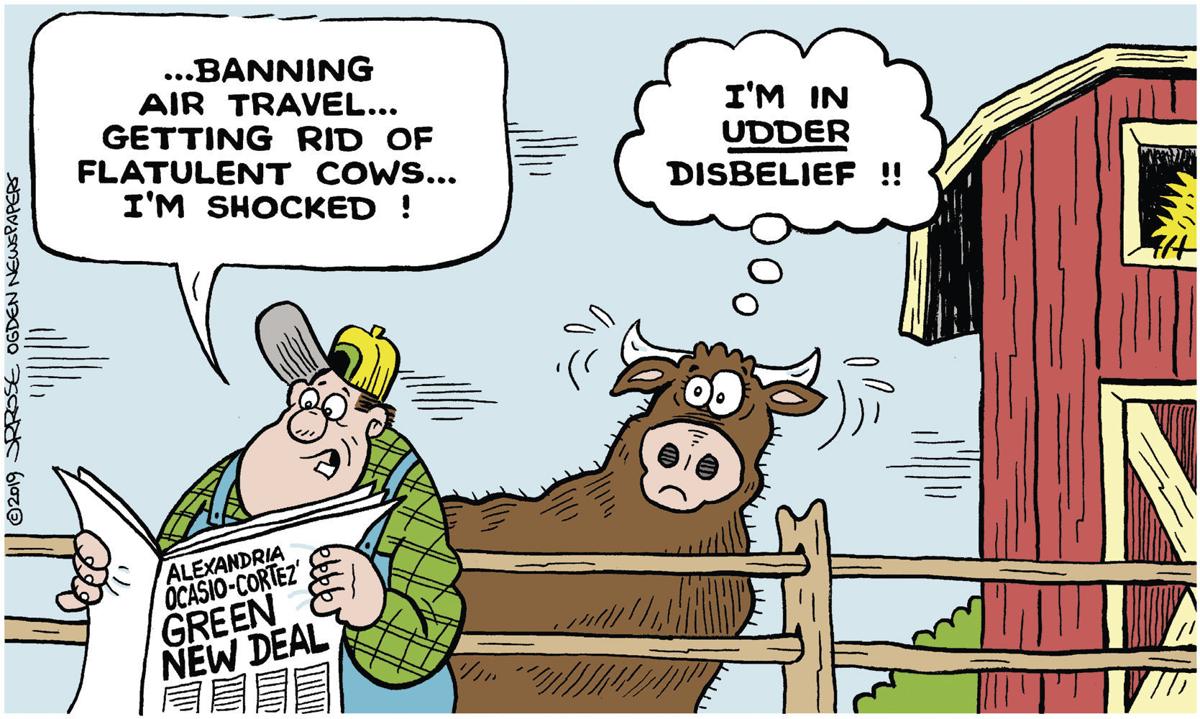
Transportation is a major focus of the plan. The proposal includes reducing reliance on fossil fuels. It encourages development of electric vehicles and public transit. The aim is to decrease carbon emissions from travel. Air travel's impact is also under scrutiny.
Credit: www.winchesterstar.com
Goals Of The Green New Deal
The Green New Deal aims to reduce carbon emissions significantly. It doesn't propose eliminating air travel entirely. Instead, it encourages investment in sustainable alternatives.
The Green New Deal has sparked a lot of conversations about its ambitious goals, with air travel being a hot topic. While some fear it means the end of flying, the truth is more nuanced. The Green New Deal primarily aims to address climate change by promoting sustainable practices and reducing carbon emissions.
Understanding The Framework
The Green New Deal isn't a strict set of rules but a framework to guide the transition to renewable energy. It's like setting a New Year's resolution to get healthier; the goal is to cut down on junk food, not to ban it entirely. Similarly, the deal seeks to reduce emissions from air travel, not eliminate planes altogether.
Encouraging Innovation
One of the exciting goals of the Green New Deal is to spur innovation in transportation. Imagine flying in a plane that doesn't harm the planet. That's the kind of innovation encouraged under this framework. Companies are already exploring electric and hybrid aircraft, which could revolutionize how we think about air travel.
Improving Public Transportation
A key component of the Green New Deal is enhancing public transportation options. By improving trains and buses, people might choose these lower-emission options over flying for shorter distances. Have you ever taken a train and enjoyed the scenic route? This could become a more common experience as public transport becomes more efficient.
Reducing Dependence On Fossil Fuels
The deal also aims to reduce reliance on fossil fuels, which power most current aircraft. By investing in research for alternative fuels, air travel can become more sustainable. Picture a future where planes are powered by biofuels or electricity, significantly cutting down emissions.
Creating Green Jobs
Transitioning to greener technologies doesn't just help the planet; it also creates jobs. The Green New Deal includes goals for creating new jobs in renewable energy sectors. This shift could provide exciting career opportunities for you or someone you know, fostering an economy that values sustainability.
Empowering Communities
The Green New Deal also focuses on empowering communities, especially those most affected by climate change. By involving local communities in decision-making, it ensures that changes in air travel and other sectors benefit everyone. How would it feel to be part of a community that actively participates in creating a sustainable future?
Addressing Misconceptions
There are many misconceptions about what the Green New Deal means for air travel. It's crucial to understand that it's not about banning planes but about fostering a greener way to travel. This approach encourages you to think about how you can contribute to a sustainable future without giving up the conveniences of modern life. The Green New Deal is a bold vision for a sustainable future. By understanding its goals, you can better appreciate the potential changes and innovations it encourages in air travel and beyond. What are your thoughts on the future of flying? Would you be willing to adapt if it meant a healthier planet?
Misconceptions About Air Travel
Many people think the Green New Deal means no more air travel. This is not true. The plan aims to reduce emissions, not eliminate flights.
The Green New Deal has sparked intense debates and a flood of misconceptions, especially around air travel. Many people believe that it aims to eliminate air travel altogether, but that's not the case. It's essential to clarify what the Green New Deal actually proposes regarding air travel and how it might impact your life.
Understanding The Green New Deal's Stance On Air Travel
The Green New Deal does not propose banning air travel. Instead, it encourages the development of alternative transportation methods, like high-speed trains, to reduce reliance on planes. The goal is not to abolish flying but to offer sustainable options alongside it.
Why The Misconception Exists
The idea that the Green New Deal seeks to eliminate air travel may stem from a misunderstanding of its objectives. Critics often exaggerate its proposals, leading to confusion. By examining the actual text, you can see that it focuses on reducing emissions rather than banning modes of transport.
Alternative Transportation Options
High-speed rail is a key component of the Green New Deal's transportation strategy. Imagine traveling efficiently across the country without the hassle of airports. This approach aims to complement air travel, offering more choices for your journey.
Environmental Impact Of Air Travel
Airplanes are significant contributors to greenhouse gas emissions. By understanding their environmental impact, you can appreciate why the Green New Deal promotes alternative transportation. Choosing sustainable options can help reduce your carbon footprint.
Balancing Convenience And Sustainability
You might wonder if you can balance the convenience of flying with the need for sustainability. The Green New Deal encourages innovation to make both possible. Your choices matter, and supporting sustainable travel options can lead to positive change. Have you ever considered how your travel choices impact the environment? By exploring alternative options, you can contribute to a greener future without giving up the freedom of air travel.

Credit: www.azcentral.com
The Role Of Air Travel In The Green New Deal
The Green New Deal is a plan to tackle climate change. It aims to transform the economy and reduce carbon emissions. Air travel is a significant contributor to emissions, making its role in the Green New Deal crucial. Understanding this helps us see the broader impact on transportation and the environment.
The Importance Of Air Travel
Air travel connects people across the globe. It's fast and efficient for long distances. Many industries rely on air travel to operate smoothly. Tourism, business, and trade benefit from this mode of transport.
Environmental Impact Of Air Travel
Airplanes release large amounts of CO2 into the atmosphere. This contributes to global warming. The aviation industry is a major source of greenhouse gases. Reducing emissions from air travel is vital for environmental health.
Proposals Within The Green New Deal
The Green New Deal does not propose eliminating air travel. It suggests reducing reliance on fossil fuels in aviation. Investing in cleaner technologies and improving efficiency is the goal. This approach aims to minimize the environmental footprint.
Future Of Air Travel In A Green Economy
Innovations in aviation are already underway. Electric planes and sustainable fuel options are being explored. These advancements promise a greener future for air travel. Balancing travel needs with environmental concerns is the challenge.
Transportation Alternatives
The Green New Deal does not eliminate air travel. It promotes sustainable transportation. Focuses on reducing emissions. Encourages trains and electric vehicles. Supports innovation in travel technologies. Emphasizes environmental responsibility.
In the face of climate change, transportation alternatives are becoming increasingly vital. As discussions around the Green New Deal intensify, many wonder about its impact on air travel. While there's no outright ban proposed, the focus is on creating sustainable options that could lessen our dependency on flying. Let's delve into two promising alternatives: high-speed rail systems and electric vehicles.
High-speed Rail Systems
Imagine traveling from one city to another in a fraction of the time it takes to drive, all while reducing your carbon footprint. High-speed rail systems offer just that. Countries like Japan and France have long embraced this efficient mode of transportation, setting a benchmark for others to follow. The United States, too, has potential for growth in this area. Picture yourself sipping coffee, reading, and relaxing, all without the stress of airport security lines. High-speed trains can provide that seamless experience. Could this be the future of intercity travel in America?
Electric Vehicles
Electric vehicles (EVs) are no longer just a futuristic concept; they are here, and they're changing the game. With more charging stations popping up and EV range improving, driving electric is becoming a viable option for many. You might be considering your next car purchase. An electric vehicle could be a smart choice for both the environment and your wallet. Picture saving on fuel costs and reducing emissions every time you drive. How does that sound for a win-win scenario? Transitioning to these alternatives is not just about personal benefits. It's about contributing to a larger movement towards sustainability. Have you considered how you might incorporate these changes into your life?
Impact On The Aviation Industry
The Green New Deal aims to address climate change comprehensively. Its proposed measures might reshape various industries, including aviation. There are concerns about how these changes could impact air travel.
How The Green New Deal Proposes To Reduce Emissions
The Green New Deal focuses on reducing carbon emissions. Aviation is a major contributor to greenhouse gases. The plan suggests investing in alternative transportation methods. Railways and other efficient options might see a boost.
Potential Shift In Travel Habits
People might change how they travel. Short-haul flights could decrease in favor of trains. This shift could affect airlines that rely on domestic travel. The industry might need to adapt quickly.
Incentives For Innovation In Aviation
The Green New Deal encourages technological advancements. Airlines could explore greener technologies. Sustainable fuels and electric planes are possibilities. These innovations might reduce environmental impacts.
Economic Implications For Airlines
Airlines might face financial challenges. New regulations could increase operational costs. Adapting to new standards might require significant investment. Some airlines may struggle to keep up.
Global Competition And Collaboration
The Green New Deal could impact international travel. Airlines might need to collaborate globally. This could lead to new partnerships and alliances. Working together could improve sustainability efforts.
Public Perception And Media Influence
Public perception around the Green New Deal is shaped by various factors. Media plays a significant role. People often get information from news outlets. These sources can influence opinions greatly. Some believe the Green New Deal will eliminate air travel. This belief may stem from misinterpretations. Misunderstandings can arise from sensational headlines. Clear, factual reporting is essential.
Understanding Public Concerns
Many fear losing air travel convenience. Air travel is a part of modern life. It's fast and efficient for long distances. Concerns about losing this option are valid. People worry about travel limitations. These worries affect how they view the Green New Deal.
Media's Role In Shaping Opinions
Media often highlights dramatic changes. Headlines can be misleading. They aim for attention. This can skew perception. Balanced reporting is crucial. Accurate information helps the public understand policies. Sensational stories can distort reality. They can create unnecessary fear.
Clarifying Misconceptions
The Green New Deal doesn't ban air travel. It aims for sustainable alternatives. Better transportation options can coexist. The goal is eco-friendly progress. Understanding the proposal is key. Accurate information can dispel myths. People need clear explanations.
Future Of Sustainable Travel
The Green New Deal questions the future of air travel. Will planes become a rare sight? Sustainable travel seeks eco-friendly alternatives. Electric trains and buses could replace planes, cutting emissions and preserving the planet.
The Future of Sustainable Travel is a vibrant topic that sparks curiosity and debate. As awareness of climate change grows, the call for greener modes of transportation becomes more urgent. The Green New Deal has ignited discussions about sustainable travel alternatives, especially regarding air travel's environmental impact. This presents a thrilling opportunity to rethink how we journey across our planet.
Understanding The Green New Deal
The Green New Deal is a proposal that aims to address climate change and economic inequality. It suggests significant investments in renewable energy and sustainable practices. While it doesn't explicitly call for eliminating air travel, it encourages innovations that could transform how we travel.
Reimagining Air Travel
Imagine boarding a plane powered by sustainable fuel or even electricity. The aviation industry is already testing biofuels and electric planes to reduce carbon emissions. This shift could redefine your flying experience, making it cleaner and quieter.
Embracing Rail And Road Alternatives
High-speed rail systems could provide a feasible alternative to short-haul flights. These trains offer comfort and efficiency, with minimal environmental impact. Could your next journey include a scenic train ride rather than a cramped flight?
The Role Of Technology In Sustainable Travel
Technological advancements are pivotal in shaping sustainable travel. Innovations like Hyperloop promise ultra-fast travel with zero emissions. As these technologies develop, they could radically alter how you plan your trips.
Public Awareness And Personal Choices
Your travel decisions matter. Choosing sustainable options, like trains over planes, can reduce your carbon footprint. Are you willing to make small changes for a healthier planet?
Challenges And Opportunities Ahead
Transitioning to sustainable travel isn't without hurdles. Infrastructure, cost, and technology need addressing. However, these challenges also present opportunities for innovation and growth. How will you contribute to a more sustainable future? In every journey, the choices you make can lead to a greener world. The path to sustainable travel is open, and it's yours to explore.
Frequently Asked Questions
Does The Green New Deal Ban Air Travel?
The Green New Deal does not ban air travel. Instead, it aims to reduce carbon emissions by promoting sustainable transportation. The initiative encourages investment in high-speed rail and other eco-friendly options. Air travel will continue, but with a focus on reducing its environmental impact.
How Does The Green New Deal Affect Air Travel?
The Green New Deal seeks to make air travel more sustainable. It promotes research into cleaner technologies for aviation. By investing in green transportation alternatives, it aims to reduce reliance on fossil fuels. The goal is to minimize the environmental impact of air travel.
Are There Alternatives To Air Travel In The Green New Deal?
Yes, the Green New Deal encourages alternatives like high-speed rail. It aims to make train travel more efficient and accessible. By investing in public transportation, the initiative seeks to reduce the need for short-haul flights. The focus is on sustainable and eco-friendly travel options.
Will Air Travel Emissions Decrease Under The Green New Deal?
The Green New Deal aims to decrease air travel emissions. It promotes cleaner aviation technology and sustainable practices. By investing in research and development, the initiative seeks to reduce carbon footprints. The goal is to make air travel more environmentally friendly and efficient.
Conclusion
The Green New Deal does not ban air travel. It aims to reduce emissions. This proposal encourages sustainable practices in many sectors. Air travel will adapt with new technologies. More efficient planes can help cut emissions. People worry about changes, but innovation can solve problems.
Renewable energy and technology play key roles. We need to balance progress with environmental care. The deal opens discussions on cleaner transport. Air travel remains important for global connections. Solutions exist to make it greener. The future holds promise for sustainable aviation.
Let's work together for a cleaner planet.