

Imagine exploring breathtaking landscapes, immersing yourself in vibrant cultures, and sharing these experiences with eager travelers—all while getting paid. Sounds like a dream, right?
Becoming a travel tour guide offers you this incredible opportunity. Whether you're passionate about history, food, adventure, or nature, guiding tours allows you to turn your interests into a rewarding career. But how do you step into this exciting role and excel at it?
In this guide, you'll discover the essential skills, tips, and insights to help you become a travel tour guide who captivates and inspires. Ready to embark on this thrilling path? Let’s dive in and unlock your potential!

Credit: rosemaryravinal.com
Skills Required
To become a travel tour guide, strong communication skills and cultural knowledge are crucial. Navigating routes and managing group dynamics enhance the experience. Patience and enthusiasm make every tour memorable.
Embarking on a journey to become a travel tour guide is both exciting and rewarding. However, it requires a set of essential skills that will ensure your success in this dynamic role. Whether it's guiding a group through the ancient streets of Rome or leading a safari in the African savannah, the skills you bring to the table can make or break the experience. Let's explore what it takes to excel in this field.
Communication Abilities
Being an effective communicator is paramount for a travel tour guide. You'll need to convey information clearly and engagingly to capture your audience's attention. Think about the last time you were on a tour and how the guide's storytelling made the place come alive. Practice speaking in a way that is both informative and entertaining. Use gestures and eye contact to build a connection. Consider the diverse backgrounds of your audience and tailor your communication style to suit everyone. Remember, a well-told story can transport your listeners to another time and place.
Cultural Awareness
Understanding and respecting different cultures is crucial in guiding travelers from around the world. You’ll need to be sensitive to cultural nuances and aware of the traditions, customs, and taboos of the places you visit. This awareness helps in avoiding unintentional offense and enhances the overall experience for your group. When I was guiding a tour in Japan, knowing the importance of bowing and the etiquette around it helped me connect better with local people and show respect. Consider how you can integrate cultural insights into your tours to enrich the experience for your guests. This not only educates them but also fosters a sense of global community.
Problem Solving
Unexpected challenges are a part of every tour. Your ability to think on your feet and find solutions quickly will set you apart. Whether it's dealing with a sudden change in weather or managing a group member's health issue, problem-solving is key. Imagine your group is set for a hike, but a sudden storm rolls in. Quick thinking to find an alternative activity keeps the day positive and shows your leadership skills. Ask yourself, how can you prepare for the unexpected? Keeping a cool head and a resourceful attitude will not only solve problems but also inspire confidence in your group. Becoming a travel tour guide is about more than knowing your way around a map. It's about connecting with people, understanding the world, and navigating the unexpected with grace and skill. As you develop these essential abilities, you'll find that guiding others can be as enriching for you as it is for them. Are you ready to take on the adventure?
Essential Qualifications
Becoming a travel tour guide requires certain essential qualifications. These qualifications help you guide tourists effectively and ensure they have a memorable experience. Knowing these qualifications is the first step to a successful career in this field.
Education Background
An education background in tourism or history is beneficial. Many guides hold a degree in travel, hospitality, or a related field. Understanding different cultures, geography, and history can enhance your tours. Some guides also study foreign languages to better communicate with tourists. This education provides a strong foundation for your guiding career.
Certifications Needed
Obtaining certifications can boost your credentials as a tour guide. Many countries require guides to be licensed or certified. Check local regulations to understand specific requirements. Certification programs cover safety, first aid, and local laws. They also teach techniques to engage and entertain groups. Completing a certification program shows your commitment to the profession.
Building Experience
Becoming a travel tour guide requires gaining practical experience through local tours. Engaging with travelers helps build communication skills. Exploring diverse destinations enhances knowledge, making tours more informative and enjoyable.
Building experience is key to becoming a successful travel tour guide. You might wonder how to get started or what steps to take. Luckily, there are several practical avenues to gain the necessary skills and knowledge. Let’s dive into some strategies that will help you build experience and stand out in the world of travel guiding.
Internships And Volunteering
Internships provide invaluable real-world experience. They allow you to learn from seasoned professionals while exploring diverse destinations. Seek out internships with travel agencies or tour companies that align with your interests. Volunteering is another fantastic way to gain experience. Consider volunteering at local museums, cultural centers, or tourist information desks. This will improve your communication skills and deepen your understanding of the travel industry. What kind of internships or volunteering opportunities have you explored? If none, what’s stopping you from starting today?
Networking With Professionals
Networking opens doors to opportunities you might not find alone. Attend travel industry events, workshops, or seminars. Meet people who share your passion and learn from their experiences. Connect with professionals on platforms like LinkedIn. Share your aspirations and ask for advice. Building genuine relationships can lead to mentorship and job offers. Remember, every conversation is a step towards your goal. Who knows where your next chat might lead?
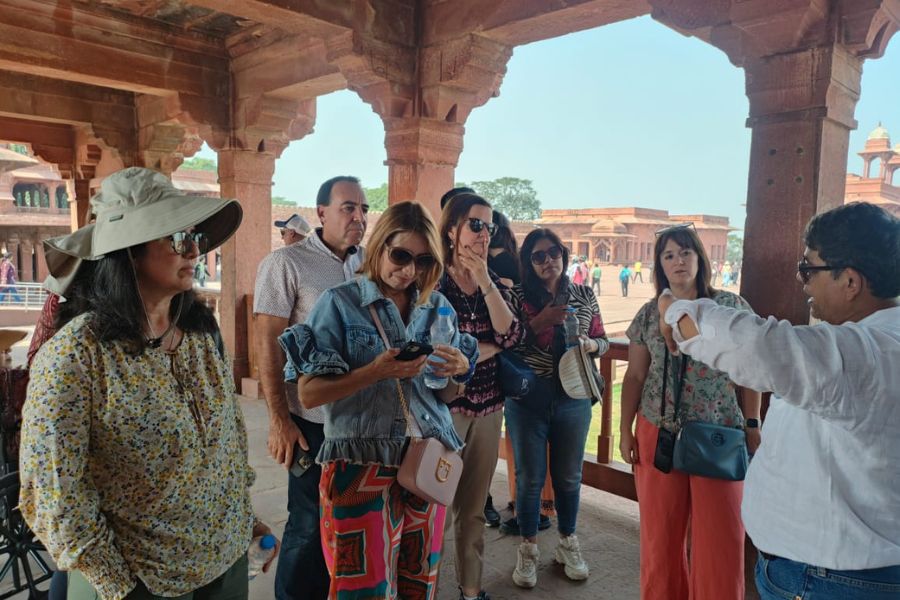
Credit: www.shikhar.com
Tour Planning Techniques
Aspiring travel tour guides can enhance their skills by mastering tour planning techniques. Organize trips efficiently, ensuring smooth transitions and memorable experiences for travelers. Emphasize local culture, history, and attractions to captivate and educate your audience.
Planning a tour is like setting the stage for an unforgettable adventure. As a travel tour guide, your ability to meticulously plan can make or break the experience for your group. How do you create a journey that captivates and excites? Let’s dive into some practical tour planning techniques that can transform your tours from ordinary to extraordinary.
Researching Destinations
Your first task is to know your destinations inside out. Start by exploring online resources, travel blogs, and local forums to gather current information. What are the hidden gems and local favorites that most tourists miss? Talk to locals whenever possible; they often share insights that you won't find in guidebooks. During one of my trips to Rome, a local cafe owner introduced me to an ancient neighborhood market that became the highlight of the tour. Keep an eye on seasonal events or festivals in the area that could add a special touch to your tour. Such events can provide unique experiences that resonate with your group.
Creating Itineraries
Crafting an itinerary is like telling a story. Make sure each day has a beginning, middle, and end. Start with a captivating activity that sets the tone for the day. Balance is crucial. Mix up your activities to include a blend of culture, relaxation, and adventure. If you’re planning a trip to Paris, consider combining a morning visit to the Louvre with an afternoon picnic by the Seine. Remember to build in some flexibility. What if your group wants to linger a bit longer at a site? Or perhaps they wish to skip an activity altogether? Being adaptable keeps the experience enjoyable for everyone. As you plan, ask yourself: What makes this itinerary memorable? Would you, as a traveler, find it exciting and rewarding? By focusing on these techniques, you not only ensure a seamless tour but also create moments that your travelers will cherish forever.
Engaging Storytelling
Engaging storytelling can transform a simple tour into a memorable experience. It captivates the audience and brings the destination to life. As a travel tour guide, mastering this skill is essential. Your stories should entertain, inform, and inspire.
Crafting Narratives
Stories are powerful. They shape how we see the world. Start with a captivating opening. A strong beginning grabs attention. Use vivid details to paint a picture. Describe the sights, sounds, and smells. Make history feel alive with colorful characters. Share legends and myths that intrigue. Use humor to engage and relax your listeners.
End with a strong conclusion. A memorable closing leaves a lasting impression. Your narrative should have a clear structure. It should flow naturally from beginning to end. Practice makes perfect. The more you tell your stories, the better they become.
Connecting With Audience
Know your audience. Different groups have different interests. Tailor your stories to fit their needs. Engage them with questions. Invite participation to keep them involved. Listen to their feedback and adjust your approach. Use body language to emphasize your points. Eye contact builds connection and trust. Speak clearly and at a steady pace.
Be enthusiastic about your topic. Passion is contagious. It draws people in and keeps them interested. Share your personal experiences. They add authenticity to your stories. Create a dialogue, not a monologue. Encourage dialogue and interaction. This makes the tour a shared experience.
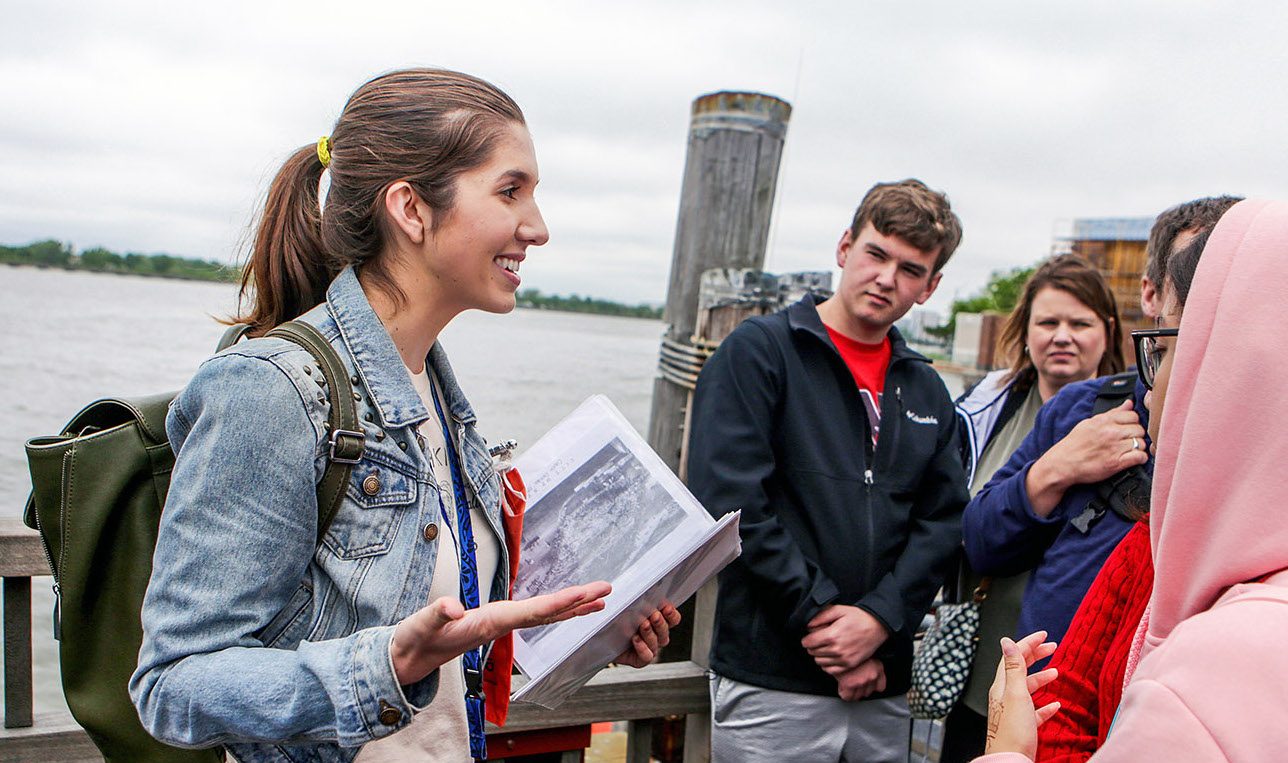
Credit: www.exp1.com
Safety Protocols
Becoming a travel tour guide is an exciting journey. Yet, ensuring guest safety is essential. Safety protocols are key to a successful tour. They protect both guides and travelers. A well-prepared guide anticipates and manages potential risks.
Emergency Preparedness
Being ready for emergencies is vital. A travel guide should know local emergency numbers. It helps to have a quick response plan. Training in first aid boosts confidence during crises. Guides should carry a basic first aid kit. Knowing nearby hospitals is also important.
Health And Safety Guidelines
Guides must prioritize health and safety. They should keep up with hygiene standards. Regular handwashing is a simple yet effective practice. It is wise to stay informed about local health regulations. Understanding weather conditions helps in planning safe trips.
Providing safety instructions to guests is crucial. Guides should explain the importance of staying hydrated. Advising on proper attire for activities ensures comfort and safety. Following these guidelines ensures a smooth and enjoyable travel experience.
Marketing Yourself
Embark on the journey of becoming a travel tour guide by showcasing your passion for exploration. Share captivating stories and unique insights to attract travelers. Engage potential clients with your knowledge of cultural landmarks and hidden gems.
Marketing yourself as a travel tour guide is crucial for standing out in a crowded market. It’s not just about showcasing your knowledge of destinations, but also about highlighting your unique personality and style. You need to attract potential clients with a compelling story that makes them eager to embark on an adventure with you. Here’s how you can effectively market yourself.
Building An Online Presence
Having a strong online presence is essential for reaching a wider audience. Start by creating a professional website where you can share your experiences, offer services, and post testimonials from happy travelers. Engage on social media platforms like Instagram and Facebook to share captivating photos and stories from your tours. This will help you connect with potential clients on a personal level. Think about starting a travel blog to share insights and tips. Regularly updating your blog with engaging content will keep your audience interested and position you as an expert in your field.
Networking Strategies
Networking can open doors to new opportunities and partnerships. Attend travel expos and industry events where you can meet other professionals and potential clients. Consider joining travel-related forums and online communities. These platforms offer a chance to connect with fellow guides and travelers who can share valuable insights. Collaborate with hotels and travel agencies to offer exclusive tours. Partnerships can enhance your visibility and credibility, making you the go-to guide for travelers in your area. How will you make your mark in the travel industry? Focus on creating genuine connections and showcasing your unique style to draw in clients who resonate with your approach.
Adapting To Change
Adapting to change is key for travel tour guides. Embrace local customs and adjust to different tourist needs. Always stay informed about the latest travel trends and safety guidelines.
Adapting to change is an essential skill for every travel tour guide. The dynamic nature of the tourism industry means that no two days are ever the same. As a guide, you will face unexpected situations and new technologies regularly. How you handle these changes can make or break your success in this vibrant field. Let's dive into how you can master the art of adaptation.
Handling Unexpected Situations
Being a travel tour guide means navigating a world where surprises are the norm. From sudden weather changes to last-minute itinerary adjustments, you need to stay calm and composed. Imagine you are guiding a group through a city when a sudden downpour hits. Your first instinct might be to panic, but what if you see it as an opportunity to explore indoor attractions instead? Flexibility is key. When faced with unexpected challenges, take a moment to assess the situation. Communicate openly with your group, offering alternatives that still make their experience memorable. Your ability to think on your feet will not only impress your guests but also build your confidence.
Embracing New Technologies
Technology is reshaping the travel industry. As a tour guide, you have the chance to leverage these tools to enhance your tours. Are you using them effectively? Consider mobile apps that provide real-time translations or GPS systems that offer detailed walking routes. These can transform your tours, making them more interactive and informative. Don't shy away from social media either. Sharing live updates and engaging content can increase your reach and attract more clients. Embrace technology by learning and experimenting with different tools. Stay curious and open to new possibilities. Your willingness to adapt to technological advancements will position you as a forward-thinking guide. --- Adapting to change is not just about surviving; it's about thriving. As you encounter unexpected situations and new technologies, remember that each challenge is an opportunity for growth. How will you adapt to ensure your tours are unforgettable?
Frequently Asked Questions
What Qualifications Do I Need To Be A Tour Guide?
To be a tour guide, you typically need excellent communication skills and a passion for travel. Some regions may require specific certifications or training. Knowledge about the destination is crucial. Being multilingual can be an advantage. Research local regulations as they vary by location.
How Do I Start A Career In Tour Guiding?
Begin by researching and studying the area you want to guide in. Consider enrolling in a tour guide certification course. Gain experience through internships or volunteer work. Network with industry professionals. Apply for positions at travel companies or start your own tour business.
What Skills Are Essential For A Tour Guide?
Essential skills for a tour guide include strong communication, storytelling, and problem-solving abilities. You should have excellent time management and organizational skills. Being adaptable and knowledgeable about the destination is crucial. A friendly and approachable personality enhances the experience for travelers.
How Do I Handle Difficult Tourists?
Handling difficult tourists requires patience and professionalism. Listen to their concerns and empathize with their situation. Maintain a calm demeanor and offer solutions if possible. It's important to set boundaries and seek assistance from colleagues or superiors if needed. Always prioritize the safety and enjoyment of the group.
Conclusion
Being a travel tour guide is rewarding and exciting. You share amazing places with eager travelers. Start by learning about destinations deeply. This knowledge builds trust with your group. Practice speaking clearly and confidently. It helps in guiding diverse audiences effectively.
Always stay organized and calm under pressure. Flexibility and patience are key to handling unexpected challenges. Building strong connections with clients ensures memorable experiences. Lastly, keep improving your skills and learning. A dedicated guide always seeks growth. Embrace the joy of guiding others on their adventures.
It's a journey worth taking.