

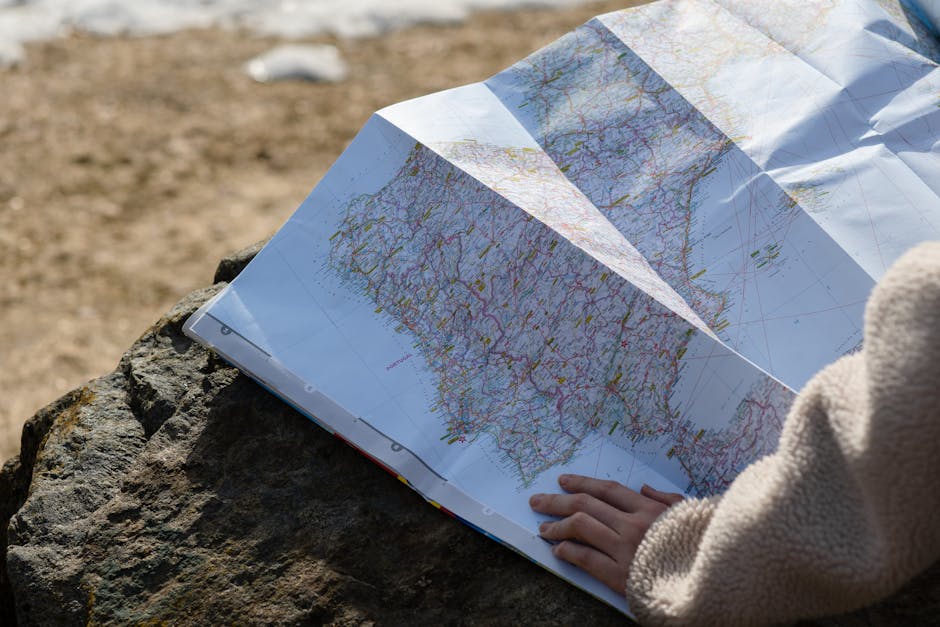
Planning a trip can be both exhilarating and overwhelming. You want to make the most out of your adventure, but where do you start?
The key to a smooth and enjoyable journey lies in crafting the perfect travel itinerary. Imagine a plan that not only highlights must-see spots but also allows room for spontaneous fun. Sounds ideal, right? By reading on, you'll discover simple steps to create an itinerary that caters to your unique travel style.
You'll learn how to prioritize activities, manage time efficiently, and ensure that every moment of your trip is unforgettable. Dive in and unlock the secrets to a stress-free travel experience tailored just for you.
Research Destinations
Creating a travel itinerary starts with thorough research of destinations. This step lays the foundation for an unforgettable trip. Understanding where you want to go helps in planning activities and managing time effectively. Let's dive into some essential aspects to consider while researching destinations.
Identify Travel Goals
First, identify your travel goals. Are you seeking relaxation, adventure, or culture? Knowing your goals helps in choosing the right destination. If you're after relaxation, consider beach resorts. For adventure, look into hiking spots or national parks. Cultural enthusiasts might prefer historic cities or museums. Define what you want from your trip before anything else.
Explore Popular Attractions
Popular attractions often define a destination's charm. Research the must-see landmarks and activities. These could include famous museums, natural wonders, or iconic buildings. Popular attractions provide a glimpse into a destination's unique character. Look for experiences that align with your interests. Make a list of places you don't want to miss.
Consider Off-the-beaten-path Locations
Off-the-beaten-path locations offer unique experiences. They are less crowded and provide a deeper connection to the place. Discover hidden gems like local markets, small villages, or secret beaches. These spots often reveal the authentic culture of a destination. Exploring these areas can lead to unforgettable memories. Always research their accessibility and safety before adding them to your itinerary.
Budget Planning
Crafting a travel itinerary involves setting a clear budget. Prioritize destinations, accommodations, and activities to match your financial plan. This approach ensures a balanced and enjoyable trip without overspending.
Planning a travel itinerary can be an exciting process, yet it often comes with the challenge of budget planning. Managing your finances effectively allows you to enjoy your trip without the stress of overspending. By focusing on key aspects like estimating costs, setting spending limits, and finding budget-friendly options, you ensure that your travel experience is both enjoyable and financially sustainable.
Estimate Costs
Start by listing all the major expenses you might encounter. This includes flights, accommodation, meals, transportation, activities, and any travel insurance. Research online or use travel apps to get a rough idea of how much each will cost. Create a simple spreadsheet or use budget planning tools to track these costs. Don’t forget to add a buffer for unexpected expenses. This way, you won’t be caught off guard by last-minute changes or unforeseen events.
Set Spending Limits
Decide how much you are willing to spend in each category. This is where you need to be realistic about your finances and prioritize what matters most to you. Is it the luxury of a five-star hotel or the thrill of adventurous activities? Having clear spending limits helps you make informed decisions during your trip. It can also prevent the temptation of impulsive buys that could drain your resources.
Find Budget-friendly Options
Look for deals and discounts that fit your budget. Websites and apps like Skyscanner or Airbnb often have offers that can significantly reduce your costs. Consider alternative travel strategies, such as traveling during the off-peak season, which can save you a lot on flights and accommodation. Opt for local experiences over tourist traps. Eating where the locals eat and using public transport can provide authentic experiences and keep your expenses low. Have you ever considered house-sitting or volunteering in exchange for accommodation? These options not only cut costs but also provide unique cultural experiences. When you take the time to budget effectively, you create a travel itinerary that is both exciting and financially feasible. Why not start planning your next adventure today?
Select Travel Dates
Choosing the right travel dates is crucial for crafting a memorable itinerary. The timing of your trip can significantly influence your experience. Selecting the perfect window involves more than just marking days on a calendar. You need to consider factors like weather, peak tourist seasons, and local events to ensure you make the most of your journey. Let's dive into how you can strategically select travel dates for your next adventure.
Check Weather Conditions
Weather can make or break your travel plans. Imagine planning a beach getaway only to be greeted by endless rain. To avoid such disappointments, research the typical weather patterns for your destination during the time you're planning to visit. Websites like Weather.com can offer historical data and forecasts to guide your decision. If you're heading to tropical regions, check the hurricane season dates. For ski trips, ensure there's enough snowfall. Remember, your comfort is key.
Avoid Peak Seasons
Ever found yourself in a sea of tourists, struggling to catch a glimpse of that famous landmark? That's peak season travel for you. Popular destinations can become overcrowded during holidays, school breaks, or major festivals. Apart from the crowd, prices for flights and accommodations often skyrocket during these times. Consider traveling during off-peak periods to enjoy quieter attractions and better deals. You’ll find that sometimes the less popular seasons offer unique experiences that peak times can't.
Consider Local Events
Local events can add a unique flavor to your trip. A friend once planned a trip to Spain and unknowingly arrived during the Tomatina festival—a thrilling surprise! Research local festivals, public holidays, or special events happening in your destination. These can offer authentic cultural experiences that are worth adjusting your travel dates for. But be mindful that some events might lead to crowded conditions or increased prices. Would you prefer the buzz of a local festival or the tranquility of a quiet town?
Ultimately, the right travel dates can enhance your adventure. Be diligent in your research and consider these factors to ensure your trip is smooth and enjoyable. Happy planning!
Transportation Arrangements
Creating a travel itinerary involves organizing transportation details effectively. Plan routes, book tickets, and schedule travel times. Ensure smooth transitions between destinations for a stress-free journey.
Planning a travel itinerary can be exhilarating, but transportation arrangements can make or break your trip. Getting from point A to point B smoothly ensures you can enjoy all the adventures that await. Whether it's booking flights, navigating local transportation, or considering rental options, each step in the process is crucial. Let's dive into the details to help you travel smartly and efficiently.
Book Flights
Start with booking your flights, as this often dictates your entire schedule. Search for deals and compare prices on different platforms like Google Flights or Skyscanner. Always check for layover durations and transit visa requirements—an unexpected delay can impact your plans. Consider flying mid-week or at unconventional hours for cheaper rates. Use airline miles if you have them, and don’t forget to read cancellation policies. Have you ever booked a flight only to realize that a slight change in date could have saved you hundreds?
Plan Local Transportation
Once your flights are set, think about how you'll get around locally. Research public transport options like buses, trains, or trams. They’re often cheaper and give you a taste of local life. Apps like Moovit or Citymapper can help you navigate unfamiliar routes. Always check if a transportation card or pass is available for tourists—it can save you money and hassle. When was the last time you discovered a hidden gem simply by taking a local bus route?
Consider Rental Options
If you're traveling to a destination with limited public transport, renting a vehicle might be your best bet. Compare prices on rental platforms like Hertz or Enterprise. Consider the type of vehicle that best suits your itinerary, whether it's a compact car for city driving or an SUV for rugged terrains. Check the rental's fuel policy and insurance coverage to avoid unexpected costs. Have you ever thought about the freedom a rental car provides, allowing you to explore off-the-beaten-path destinations that aren't on the typical tourist map? Making smart transportation arrangements can elevate your travel experience. So, are you ready to embark on a journey where every ride is as enjoyable as the destination itself?
Accommodation Choices
Finding the right place to stay is crucial for any trip. It can make or break your travel experience. Whether you want luxury or budget-friendly options, research is key. Let's dive into how you can choose the best accommodation.
Review Hotels And Hostels
Hotels offer comfort and various amenities. They are ideal for a relaxing stay. Hostels are great for budget travelers. They provide shared spaces and a chance to meet new people. Compare prices and amenities to find what suits your needs best.
Explore Unique Stays
Unique stays add excitement to your trip. Consider booking a treehouse or a cozy cabin. These options provide memorable experiences. They often offer local charm and character. Check availability in advance as they fill up fast.
Check Reviews And Ratings
Reviews and ratings give insights into accommodation quality. Read both positive and negative feedback. Look for consistent comments about cleanliness and service. Ratings from trusted platforms help in making informed decisions. Happy guests often share useful tips about their stays.
Daily Activity Planning
Creating a travel itinerary makes trips organized and stress-free. Start by listing destinations and attractions. Then, allocate time for each activity, considering travel distances.
Planning your daily activities is crucial when crafting a travel itinerary. It ensures you make the most of your trip, balancing must-see attractions and leisure. But how do you decide what to prioritize each day? How can you seamlessly blend excitement with relaxation? Let's break down some practical strategies for daily activity planning that will transform your travels.
Prioritize Must-see Places
Identify the key attractions that define your destination. Think about what drew you to this place—are there iconic landmarks or cultural experiences you can't miss? Create a list of these must-see spots, and consider their location. Group nearby sites together to save time and energy. This approach allows you to cover more ground without feeling rushed. Remember, it's okay to skip some lesser-known attractions. Focus on the experiences that truly excite you.
Allocate Leisure Time
Traveling isn't just about ticking off a checklist. It's also about savoring moments and soaking in the atmosphere. Dedicate time in your itinerary for relaxation. Whether it's lounging at a local café or strolling through a quiet park, these breaks refresh you. They offer a chance to reflect and enjoy spontaneous discoveries. Leisure time can be a buffer for unforeseen delays or detours. Plus, it helps balance out packed schedules, keeping stress at bay.
Schedule Tours And Activities
Pre-book tours and activities that require advanced planning. This ensures you don't miss out due to limited availability. Consider guided tours for deeper insights into local culture and history. Research the timing and duration of activities. Fit them into your itinerary without crowding other plans. Check for combo packages that offer multiple experiences at a discounted rate. These can be a smart way to maximize your budget and time. As you plan, ask yourself: What experiences will make your trip unforgettable? How can you blend structure with spontaneity? Address these questions to curate a balanced and engaging itinerary that reflects your travel goals.
Dining And Cuisine Exploration
Creating a travel itinerary involves more than just choosing destinations. One vital aspect is dining and cuisine exploration. Food gives you a taste of the local culture. It makes your trip memorable. Discovering new flavors can be an adventure in itself. Whether you're a foodie or a casual diner, exploring local cuisine adds excitement to your travel experience.
Research Local Restaurants
Start by researching local restaurants in your destination. Look online for popular spots. Check reviews and ratings. Local blogs and travel websites can offer valuable insights. Locals often know the hidden gems. Ask for recommendations from friends who have visited. A well-researched list can save time and prevent disappointments.
Try Signature Dishes
Every place has its unique signature dishes. These dishes define the local culinary scene. Try these specialties to get the authentic taste. Some foods may surprise you with their flavors. Visit markets and street vendors for fresh options. Experience food in its purest form.
Consider Dietary Restrictions
Travel with dietary restrictions requires careful planning. Check menus for allergen information. Contact restaurants to confirm they can accommodate your needs. Many places offer vegetarian, vegan, or gluten-free options. Planning ensures you enjoy meals without stress.
Packing Essentials
Creating a travel itinerary helps organize your trip efficiently. Start by listing destinations and activities. Then, arrange them by day to ensure a smooth journey.
Packing for a trip can be exciting yet challenging. With the right essentials, you can ensure a smooth travel experience without unnecessary stress. The key is to pack smartly, focusing on what you'll truly need during your journey. Let's delve into the details of packing essentials to make your travel itinerary seamless and enjoyable.
List Necessary Items
Start by listing the absolute must-haves. Think about the basics: clothing, toiletries, and tech gadgets. A universal adapter can be a lifesaver if you're traveling abroad. Organize your items in categories. Clothing can include underwear, socks, and versatile outfits. Toiletries should cover toothbrush, toothpaste, and any medication you need. Tech gadgets might be your phone, charger, and perhaps a travel-friendly power bank. Don't forget your travel documents. Passports, visas, and hotel confirmations are crucial. Keeping a digital copy on your phone can be a helpful backup.
Consider Weather And Activities
Weather plays a significant role in what you pack. Research the climate of your destination beforehand. A beach vacation might need swimsuits and sunscreen, while a city break might require comfortable walking shoes and a light jacket. Plan around your activities. If you’re hiking, pack sturdy shoes and breathable clothes. For a more relaxed trip, casual wear might suffice. Adapt your packing list to the forecast and itinerary. Layering is your friend. It helps you adjust to changing temperatures and saves space in your luggage.
Use Packing Techniques
Efficient packing techniques can save you both time and space. Try rolling your clothes instead of folding them. This method minimizes wrinkles and maximizes suitcase capacity. Consider using packing cubes. They keep your suitcase organized and make it easy to find items without rummaging through everything. Remember to pack heavier items at the bottom of your suitcase. It keeps your bag balanced and easier to carry. Have you ever found yourself at your destination missing an essential item? By packing thoughtfully, you ensure that everything you need is right at hand, letting you focus on enjoying your trip instead of searching for a forgotten necessity.
Safety And Health Preparations
Planning a trip requires considering safety and health preparations. Include emergency contacts and local health facilities in your itinerary. Pack essential medical supplies and check travel advisories for your destination.
Safety and health preparations are vital for any travel itinerary. Ensuring these factors are addressed can make your journey smoother. It also helps in minimizing risks. Here are some essential steps to consider.
Check Travel Advisories
Before traveling, check for any travel advisories. These advisories provide important information about your destination. They cover safety concerns and health risks. Governments update these regularly. They help travelers stay informed. Review any restrictions or warnings. This helps you prepare better.
Prepare Health Supplies
Pack a travel health kit. Include basic medicines and first-aid supplies. Think about your personal health needs. Prescription medications should be carried in original packaging. Also, pack hand sanitizer and face masks. These items help maintain hygiene. Consult your doctor if needed. This ensures you have everything required.
Plan Emergency Contacts
Have a list of emergency contacts ready. Include local emergency numbers and your embassy's contact. Inform family or friends about your itinerary. Share your accommodation details too. This helps them reach you in case of an emergency. Keep a physical copy of these contacts. Digital devices can fail or get lost.
Finalizing The Itinerary
Crafting a travel itinerary involves organizing destinations, activities, and accommodations. Prioritize must-see attractions and allow for flexibility. Ensure smooth transitions between locations for a hassle-free journey.
Finalizing your travel itinerary is the crucial step that transforms your travel dreams into reality. This is the moment when your plans solidify and become actionable. Think of it as the final polish on a masterpiece, ensuring every detail aligns perfectly with your vision.
Review And Adjust Plans
Before you lock in your itinerary, take a moment to review every aspect of it. Look at the timings, destinations, and activities. Are there gaps or overlaps? Adjust them for a smoother experience. Consider your daily energy levels. If you’re not a morning person, avoid cramming activities early in the day. On a trip to Paris, I found that leaving afternoons free allowed me to wander and discover charming cafes at my own pace.
Share With Travel Companions
Communication is key. Share the itinerary with your travel companions. Are they excited about the plans? Do they have suggestions? This collaboration can enhance your journey. Make sure everyone is on board. When I shared my itinerary for a road trip, my friend suggested an unexpected detour to a local festival. It became a highlight of our trip, proving that shared plans can lead to delightful surprises.
Print And Digital Copies
Having both print and digital copies of your itinerary is wise. Print copies come in handy when technology fails or when you need quick access. A table format can organize daily activities efficiently. Digital copies are easily editable and accessible on-the-go. Use apps or cloud services to keep them at your fingertips. Imagine arriving at a landmark only to find it closed. A quick edit on your digital itinerary can reroute you to a nearby attraction. Are you ready to finalize your itinerary and embark on a seamless adventure? These steps ensure your travel plans are as exciting in reality as they are on paper.
Frequently Asked Questions
What Is A Travel Itinerary?
A travel itinerary is a detailed plan of your trip. It includes your travel dates, destinations, activities, accommodations, and transportation. A well-organized itinerary helps you manage time efficiently and ensures you don't miss important attractions. It serves as a guide to make your travel experience smooth and enjoyable.
How Do I Start Creating An Itinerary?
Begin by listing your travel goals and must-see places. Research destinations, attractions, and activities that interest you. Determine your travel dates and book accommodations and transportation. Organize your findings chronologically, ensuring a balance between activities and relaxation. Keep flexibility in your schedule for spontaneous adventures.
Why Is A Travel Itinerary Important?
A travel itinerary helps optimize your time and budget. It provides a clear plan, reducing stress and confusion during your trip. An itinerary ensures you cover all desired destinations and activities. It also serves as a handy reference for bookings, reservations, and important information, enhancing your overall travel experience.
What Should A Good Itinerary Include?
A good itinerary should include travel dates, destinations, and a list of activities. It should detail accommodation and transportation arrangements. Include important contacts and reservation details. Add notes on local customs, weather, and emergency information. Ensure it has a balance of activities and free time for flexibility and relaxation.
Conclusion
Crafting a travel itinerary can simplify your journey. It ensures you don’t miss any highlights. Start with your destination list. Prioritize must-see spots. Budget your time and money wisely. Research transportation options. Consider local customs and weather. Keep some flexibility for spontaneous adventures.
An organized itinerary reduces travel stress. Helps you enjoy every moment. Remember, travel is about experiences. Not just ticking boxes. Plan well, but stay open to new paths. Enjoy exploring! Safe travels!