

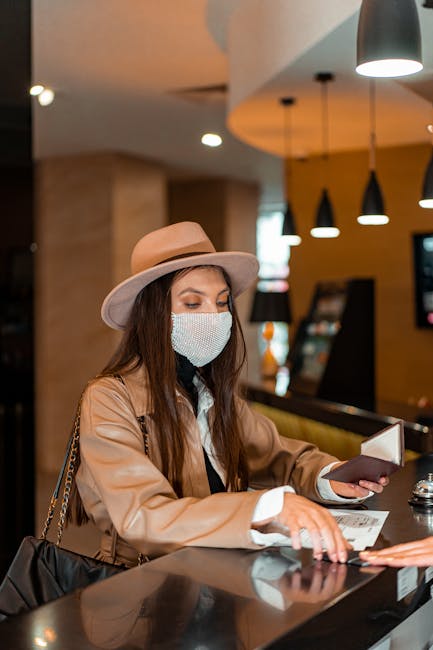
Do you love the thrill of exploring new places? Traveling can be an exciting adventure, but it's important to keep safety at the top of your list.
Whether you're planning a solo trip or a family getaway, ensuring your safety should be your number one priority. Imagine being able to enjoy every moment of your trip without a worry in the world. Sounds amazing, right? This guide will show you simple and effective ways to stay safe while traveling.
You’ll gain peace of mind and focus on making unforgettable memories. Ready to discover how to protect yourself and your loved ones on your next trip? Let's dive in and uncover the secrets to a worry-free journey!
Research And Planning
Traveling offers exciting experiences and unforgettable memories. Yet, ensuring safety while traveling requires careful research and planning. Understanding your destination's environment, culture, and emergency protocols can prevent mishaps. Thorough preparation builds confidence and enriches your travel experience.
Destination Information
Start with gathering basic information about your destination. Know the climate and weather conditions. Understand the public transport system and local amenities. Look for any travel advisories or warnings. This information helps in packing and planning daily activities.
Local Customs And Laws
Learn about the local customs and laws. This helps in respecting cultural norms. Understand dress codes, gestures, and social etiquette. Avoid activities that might offend the locals. Familiarize yourself with legal restrictions and penalties. This knowledge keeps you respectful and safe.
Emergency Contacts
Prepare a list of emergency contacts. Include local emergency services, your country's embassy, and accommodation numbers. Keep these contacts easily accessible. Ensure your family and friends have a copy. Having these contacts provides peace of mind during emergencies.
Packing Smart
Pack wisely to ensure safety during travels. Choose versatile clothing and secure bags. Keep important documents in a waterproof pouch.
Traveling opens doors to new experiences and cultures. Yet, staying safe is crucial. Packing smart plays a vital role in ensuring a hassle-free journey. Organizing your belongings not only saves time but also adds a layer of security. Let's explore some key aspects to consider when packing smart for your travels.
Essential Documents
Carry your essential documents safely. Passports, visas, and travel insurance are a must. Make copies of these documents. Keep one set in your luggage and another in your carry-on. Use a waterproof pouch to protect them from spills or rain. Consider digital copies stored on your phone or cloud. They can be a lifesaver if originals are lost.
Secure Luggage
Your luggage should be secure and easy to handle. Choose suitcases with reliable locks. TSA-approved locks are a good option for flights. Use luggage tags with your contact details. Opt for tags that cover your information for privacy. Avoid overpacking. It makes your bags harder to manage. Keep valuables like electronics and jewelry in your carry-on.
First Aid Kit
A small first aid kit can be handy during your trips. Include band-aids, antiseptic wipes, and pain relievers. Pack any personal medications you need. Add some items for common travel ailments. Think motion sickness tablets or rehydration salts. Place the kit where you can reach it easily. In your carry-on or backpack is ideal. This ensures you're prepared for minor mishaps.
Health Precautions
Traveling offers new experiences and adventures. Yet, health is crucial. Ignoring health precautions can ruin trips. Stay safe and healthy with these tips. They are simple but effective. Protect yourself and enjoy your journey.
Vaccinations
Vaccinations are vital for travelers. They prevent diseases common in other regions. Research needed vaccines before you travel. Visit a healthcare provider. Get the shots recommended for your destination. This step is essential. It safeguards your health abroad.
Travel Insurance
Travel insurance is not just a formality. It provides peace of mind. It covers unexpected medical expenses. Without it, costs can be overwhelming. Choose a plan that covers health issues. Some plans also cover trip cancellations. This coverage is invaluable.
Food And Water Safety
Food and water can carry risks. Be cautious about what you consume. Drink bottled or boiled water. Avoid ice cubes in drinks. Eat at reputable places. Street food can be tempting. But it might not be safe. Stick to cooked, hot meals. This reduces the risk of illness.
Transportation Safety
Traveling safely involves being aware of surroundings and keeping valuables secure. Stay informed about local customs and regulations. Use trusted transportation options and avoid isolated areas, especially at night. Always have emergency contact information handy for peace of mind.
Traveling can be an exhilarating experience, but ensuring your safety while on the move is crucial. Whether you're navigating bustling city streets or exploring remote areas, understanding transportation safety is essential. By taking the right precautions, you can significantly reduce risks and enjoy your journey with peace of mind. Let's dive into some practical tips to keep you safe as you travel.
Choosing Safe Transport
Selecting the right mode of transport is the first step in ensuring your safety. Public transportation is often reliable, but don't shy away from checking reviews and safety ratings of taxis or ride-sharing services. Consider the reputation of transport providers. You wouldn’t want to hop into a sketchy vehicle just because it’s cheap. Ask yourself, is saving a few bucks worth risking your safety?
Seatbelt And Helmet Use
Never underestimate the power of a seatbelt or helmet. They are your best defense in case of an accident. Always buckle up, even for short trips. It’s not just a rule; it’s a lifesaver. When riding bikes or scooters, wearing a helmet is non-negotiable. It’s a simple step but can make all the difference in an emergency.
Avoiding Night Travel
Traveling at night can heighten risks. If possible, plan your journeys during daylight when visibility is better. The excitement of night travel might be tempting, but darkness can conceal dangers. Consider this: would you feel comfortable navigating unfamiliar roads in the dark? Trust your instincts; if it doesn’t feel right, it probably isn’t. Transportation safety is about making informed choices. What steps will you take to ensure a safe journey next time you travel? By prioritizing your safety, you can focus on creating unforgettable memories without unnecessary worry.
Accommodation Security
Ensure a secure stay by choosing accommodations with good reviews and safety features. Use hotel safes for valuables. Stay alert to surroundings and keep room locked.
Ensuring your safety while traveling starts with secure accommodations. Your choice of lodging plays a vital role in your travel security. With the right precautions, you can enjoy peace of mind throughout your stay. Here’s how to enhance your accommodation security.
Choosing Safe Accommodations
Research your accommodation options carefully. Read reviews from previous guests. Look for comments about security features and overall safety. Choose hotels or rentals in safe neighborhoods. Check if they have security staff or surveillance cameras. Verify if the entrance has controlled access. Prefer accommodations with a 24-hour front desk. This ensures help is available anytime.
Room Safety Tips
Once you reach your room, check the locks on doors and windows. Ensure they work properly. Use the deadbolt and chain lock when inside the room. Avoid opening the door without knowing who is outside. Use the peephole before answering. Keep the room number private. Don't share it with strangers. Familiarize yourself with emergency exits. Know the route to safety in case of an emergency.
Valuables Protection
Keep your valuables secure at all times. Use the safe provided in your room. If no safe is available, ask the front desk for secure storage. Avoid leaving expensive items in plain sight. Consider carrying a portable lockbox for added security. Always take your passport and important documents with you. Photocopy important documents and keep digital copies. This ensures you have backups if originals are lost.
Personal Safety
Traveling can be an exciting adventure, but personal safety is crucial. Ensuring your safety helps you enjoy your journey without worries. Being alert and smart about your choices can make a difference.
Being Aware Of Surroundings
Always observe the environment around you. Look for exits and crowded places. Watch for anything that seems out of place. Pay attention to people’s behavior. Small details can help you stay safe. Stay off your phone while walking.
Avoiding Risky Areas
Research locations before visiting. Some places might not be safe for travelers. Stick to well-lit streets and populated areas. Avoid shortcuts through alleys. Check local news for safety updates. Choose accommodations in safe neighborhoods.
Trusting Your Instincts
If something feels wrong, trust your gut. It’s better to avoid situations that make you uneasy. Your instincts are often right. If you feel unsafe, leave the area. Share your location with friends or family. Safety first, always.
Digital Safety
Traveling opens doors to exciting adventures and unforgettable experiences. However, amidst the thrill, ensuring your digital safety is paramount. The digital realm is rife with risks, especially when you're connecting from unfamiliar locations. As you explore the world, safeguarding your online presence can prevent mishaps and ensure peace of mind. Let’s delve into how you can protect yourself digitally while traveling.
Secure Internet Connections
When you travel, internet connections can be unpredictable and potentially risky. Public Wi-Fi networks are convenient but can expose you to hackers. Stick to secure connections whenever possible.
Use your mobile data when accessing sensitive information. It's safer than public Wi-Fi and keeps your data private. Always check if the hotel or café Wi-Fi is encrypted before connecting.
Remember the time you logged into an airport Wi-Fi and your social media was hacked? That could happen again if you're not cautious. Secure connections are your first line of defense.
Protecting Personal Information
Your personal information is valuable. In unfamiliar places, it’s essential to keep it secure. Avoid sharing sensitive details on public forums or social media.
Use strong passwords and change them regularly. Consider using a password manager to keep track. Be mindful of what you post online; oversharing can make you a target.
Once, a friend shared their travel itinerary online, only to find their hotel room compromised. Such incidents highlight the importance of protecting your personal data.
Using Vpns
Virtual Private Networks (VPNs) are a traveler’s best friend. They encrypt your internet traffic, making it hard for anyone to snoop on your activities. A VPN masks your IP address, enhancing your online security.
Choose a reliable VPN service before traveling. Ensure it's installed and tested. This simple step can make a world of difference in keeping your data safe.
Imagine browsing safely in a bustling café while sipping your coffee, knowing your data is secure with a VPN. Why compromise your safety when a VPN can offer protection?
Digital safety on the road requires vigilance and proactive measures. As you embark on your journeys, prioritize secure connections, protect your personal information, and utilize VPNs. How are you ensuring your digital safety on your travels?
Frequently Asked Questions
What Are The Best Travel Safety Tips?
Always keep your valuables secure and stay aware of your surroundings. Use trusted transportation and avoid isolated areas, especially at night. Share your itinerary with someone you trust and keep emergency contacts handy. Stay updated on local news and follow any travel advisories for the region.
How Can I Protect My Travel Documents?
Store travel documents in a waterproof pouch and make digital copies. Keep copies in your email and share them with a trusted person. Use hotel safes for physical storage and avoid carrying them unnecessarily. Always have a backup plan in case of loss or theft.
Should I Get Travel Insurance?
Yes, travel insurance is crucial for unexpected events like medical emergencies, trip cancellations, or lost belongings. It provides financial protection and peace of mind. Choose a policy that covers your specific needs and destinations. Always read the terms to understand what's included.
How To Stay Safe In Unfamiliar Destinations?
Research your destination before arrival to understand local customs and laws. Dress appropriately and blend in with locals. Use maps discreetly and avoid flaunting wealth. Stay in well-reviewed accommodations and use reputable services for tours and activities. Trust your instincts and avoid risky situations.
Conclusion
Travel safety is crucial for a worry-free trip. Always stay aware of your surroundings. Keep important documents and valuables secure. Use trusted transportation options. Research your destination beforehand. Inform someone of your travel plans. Learn basic local phrases for better communication.
Trust your instincts in unfamiliar situations. Avoid risky areas at night. Stay connected with family and friends. Carry a small first aid kit. Staying alert and prepared ensures a safe journey. Enjoy exploring new places with peace of mind. Safety leads to memorable and fun travel experiences.