


Ever planned the perfect trip only to worry about what might go wrong? Whether it's a sudden illness, lost baggage, or flight cancellations, unexpected hiccups can turn your dream vacation into a nightmare.
This is where travel insurance comes into play. You might wonder, is travel insurance a good deal for you? Imagine having peace of mind knowing you're protected no matter what happens. We'll uncover the real value of travel insurance and help you decide if it's worth your investment.
Keep reading to discover how you can safeguard your travels and enjoy your trips with confidence.
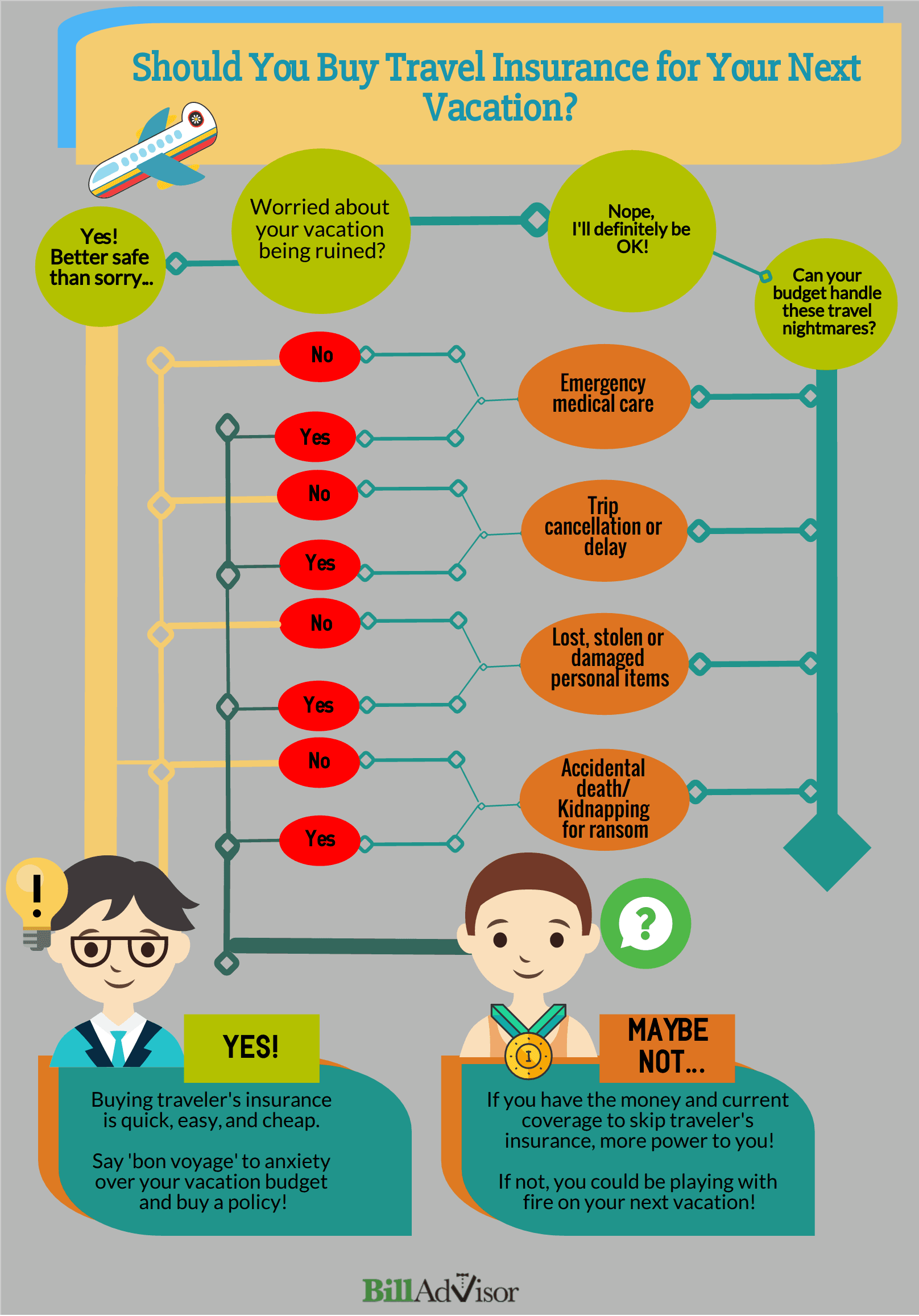
Credit: www.billadvisor.com
Understanding Travel Insurance
Exploring travel insurance can be helpful for vacation peace of mind. It covers unexpected events like medical emergencies or trip cancellations. Weighing the potential benefits against cost is key to deciding its value for your journey.
Understanding Travel Insurance Travel insurance can be a lifesaver during unexpected events. Many travelers wonder if it's worth the investment. Understanding its benefits is key to making an informed decision.
What It Covers
Travel insurance covers a range of situations. It often includes medical emergencies, trip cancellations, and lost belongings. This provides peace of mind when traveling to new places. Medical coverage is crucial, especially abroad. Hospital bills can be expensive without insurance. Trip cancellations due to emergencies are also covered. This protects your investment in the vacation. Lost or stolen items are frustrating. Insurance offers compensation for such losses.
Types Of Policies
There are different types of travel insurance policies. Single-trip policies are for one-time travelers. These cover just one journey. Annual policies suit frequent travelers. These cover multiple trips within a year. Group policies are available for families or friends. They cover all members under one plan. Business travelers can opt for specialized policies. These cater to work-related travel needs. Each type has unique features and benefits. Choose based on travel habits and needs.

Credit: capizzimd.com
Cost Considerations
Travel insurance is often a smart consideration for any trip. Cost plays a big role in deciding whether travel insurance is worth it. Understanding what affects the price and how to balance costs with benefits is key. Let's break it down for you.
Factors Affecting Price
Several elements can impact the cost of travel insurance. The length of your trip matters a lot. Longer trips usually mean higher insurance costs. Your age also plays a part. Older travelers might pay more due to increased health risks.
The destination can change the cost too. Traveling to risky areas can raise insurance rates. Coverage level is another factor. Basic plans cost less but cover fewer risks. Comprehensive plans offer more coverage and come at a higher price.
Comparing Costs To Benefits
Weighing the costs against benefits is crucial. Consider what the insurance covers. Does it protect against trip cancellations? Does it offer medical coverage abroad? These benefits can save you a lot of money.
Think about the worst-case scenarios. What if you lose your luggage or need medical care? The cost of these events can be high without insurance. Travel insurance can provide peace of mind. It can help cover unexpected expenses that might arise during your trip.
Benefits Of Travel Insurance
Travel insurance offers numerous benefits for travelers. It provides peace of mind during your journeys. From unexpected medical needs to trip cancellations, it has you covered. Understanding these benefits can help you decide if travel insurance is a good deal.
Medical Coverage
Medical emergencies can happen anytime. Travel insurance covers sudden illnesses or injuries. This means you won't worry about expensive medical bills abroad. It often includes hospital stays and emergency services. Many policies also offer 24/7 assistance. This is crucial if you face language barriers in a foreign country.
Trip Cancellations
Trips can get canceled due to unforeseen events. With travel insurance, you can recover non-refundable costs. This includes flight tickets and hotel bookings. Insurance covers cancellations due to illness or natural disasters. It ensures your financial losses are minimized. So, even if plans change, you won't lose money.
Lost Or Stolen Belongings
Lost luggage can ruin a trip. Travel insurance compensates for lost or stolen belongings. This includes personal items and important documents. It helps replace essentials without extra cost. Knowing you're protected gives peace of mind. You can focus on enjoying your trip.
Common Misconceptions
Travel insurance often raises questions and doubts for many. Common misconceptions can cloud judgment. It's essential to separate fact from fiction. This ensures you make informed decisions.
Insurance Myths
Some believe travel insurance is a waste of money. They think nothing will happen. This is a risky assumption. Emergencies can arise unexpectedly. Travel insurance offers peace of mind. It covers medical emergencies, trip cancellations, and lost luggage.
Another myth is that travel insurance is only for the elderly. This is not true. Accidents don't choose age. Young travelers also benefit from coverage. It's wise for anyone traveling to consider insurance.
Avoiding Unnecessary Coverage
Many fear buying excessive coverage. They worry about paying for what they don't need. It's vital to assess your trip needs. For short trips, basic coverage may suffice. Longer or adventurous trips need broader protection.
Read policy details carefully. Understand what each plan offers. Avoid paying for features irrelevant to your journey. Tailor your insurance to match your trip specifics. This ensures you pay only for necessary protection.
When To Invest In Travel Insurance
Travel insurance proves valuable during unpredictable circumstances. Covers unexpected cancellations, medical emergencies, and lost belongings. It's a wise choice for peace of mind.
Travel insurance can be a lifesaver in unpredictable situations, but knowing when to invest in it is key. It’s not always necessary for every trip, but certain factors can make it a smart choice. Are you traveling to a remote location with limited medical facilities? Do you have expensive non-refundable reservations? Let's explore when travel insurance might be worth the investment.
Travel Destinations
Your destination plays a crucial role in deciding whether travel insurance is a good deal. Traveling to countries with high medical costs, like the United States, might make insurance a wise choice. A friend once had to pay thousands for a simple doctor's visit in New York because she lacked insurance. If you're heading to a place known for political instability or natural disasters, insurance can offer peace of mind. Imagine being caught in a hurricane without coverage; the costs of evacuation can be overwhelming.
Type Of Traveler
Your travel habits also influence the need for insurance. Frequent travelers, especially those on business trips, may benefit from annual plans. My colleague swears by his yearly policy, saving him from last-minute cancellations. Adventure seekers should consider insurance. Activities like skiing or scuba diving carry risks. A fall on the slopes can lead to hefty medical bills, and insurance helps cover those unexpected costs. Are you someone who books non-refundable flights and accommodations? Insurance can cover cancellations due to unforeseen events. Think about the stress relief knowing your investment is protected. Before buying travel insurance, ask yourself: Is the peace of mind worth the cost? Consider your travel destination and type. Sometimes, the right coverage can turn a potential disaster into just a minor hiccup in your journey.
Choosing The Right Policy
Travel insurance can offer peace of mind during your trip. It covers unexpected events like medical emergencies or lost luggage. Evaluating your travel needs helps you decide if it's a good deal for your journey.
Choosing the right travel insurance policy can feel like navigating a labyrinth. You want the security of knowing you’re covered, but with so many options, how do you decide? It’s not just about finding the cheapest or most comprehensive plan—it's about tailoring it to fit your unique travel needs.
Evaluating Your Needs
Start by asking yourself: What do you really need from a travel insurance policy? Are you worried about medical emergencies, or is trip cancellation your biggest concern? Consider the type of trip you're planning. A beach vacation might require less coverage than a high-adventure trek in the mountains. Think about your travel companions. Do you have kids who might need extra protection? Or perhaps elderly parents joining you? A personal story: I once chose a policy that covered medical emergencies but overlooked cancellation. When my trip was unexpectedly canceled, the financial hit was significant. Learn from my mistake—assess every aspect of your trip before making a decision.
Reading The Fine Print
The devil is in the details, as they say. It's crucial to read the fine print before committing to a policy. Policies can be filled with jargon that feels impenetrable. But don’t let that deter you. Seek clarity on coverage limits, exclusions, and conditions. Are there specific activities not covered, like scuba diving or skiing? What’s the process for filing a claim? Is it straightforward or a bureaucratic nightmare? Imagine spending hours on paperwork while dealing with an emergency abroad. It’s a hassle you’d rather avoid. Remember, what’s not covered is just as important as what is. Ask yourself: Do I feel confident about the policy’s terms, or do I need to ask more questions? Be diligent here—it could save you a lot of trouble later. Choosing the right travel insurance is more than ticking boxes; it's about peace of mind. Make informed decisions, and your journey will be all the more enjoyable.
Alternatives To Travel Insurance
Travel insurance can be a great safety net, but it's not the only option for safeguarding your travel plans. Exploring alternatives might save you money while still providing peace of mind. Let’s dive into some viable options you might consider before purchasing travel insurance.
Credit Card Benefits
Many credit cards offer travel-related perks that can act as a substitute for insurance. Check your card's benefits before booking your trip. You might be surprised at the coverage offered, from trip cancellations to lost luggage protection.
Have you ever received unexpected help from your credit card company during a travel mishap? Some cards even offer emergency assistance services. It's like having a travel buddy without the extra baggage.
Make sure you understand what’s covered and any limitations. It's not just about earning points but leveraging the benefits that come with your card. Could this be the hidden gem in your wallet?
Self-insurance Options
Setting aside funds for emergencies is another practical approach. This method requires discipline and foresight but can be rewarding. You become your own insurer, managing risks based on your needs.
Have you ever thought about the savings accumulated from not buying insurance every trip? Over time, these savings could fund a last-minute flight change or cover unexpected expenses. It’s all about planning and trusting yourself.
Consider creating a dedicated travel fund. Would having direct control over your money provide more peace of mind than a policy? This option gives you the flexibility to decide what’s worth covering and when.
Ultimately, the choice between travel insurance and alternatives depends on your personal comfort with risk and financial situation. Would exploring these options make your travel planning more efficient and less costly?
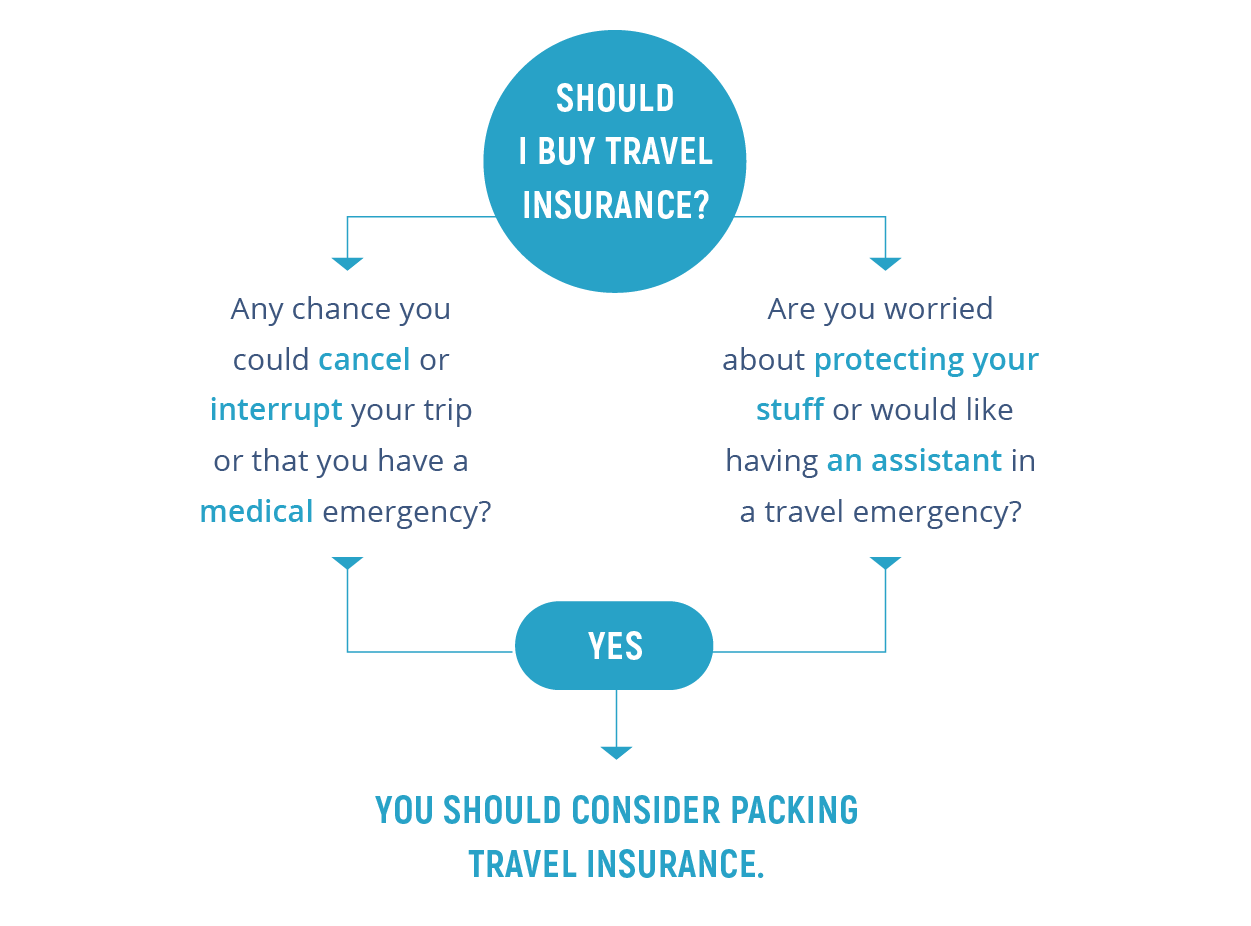
Credit: www.bhtp.com
Frequently Asked Questions
What Is Travel Insurance?
Travel insurance provides financial protection for unexpected trip-related issues. These can include trip cancellations, medical emergencies, and lost luggage. It can offer peace of mind by covering expenses that might otherwise be costly. Always review the policy details to ensure it meets your travel needs.
Why Is Travel Insurance Important?
Travel insurance is crucial for safeguarding against unforeseen events. It covers medical emergencies, trip cancellations, and lost belongings. This protection ensures you won’t face hefty expenses during your trip. Having travel insurance provides peace of mind, allowing you to enjoy your trip worry-free.
What Does Travel Insurance Cover?
Travel insurance typically covers trip cancellations, medical emergencies, and lost or damaged luggage. It may also include coverage for flight delays and emergency evacuations. Each policy varies, so it's essential to read the terms carefully. Always choose a policy that aligns with your travel needs and destinations.
Is Travel Insurance Worth The Cost?
Travel insurance is often worth the cost for peace of mind. It protects against unexpected events like cancellations or emergencies. The relatively small premium can save you from large expenses. Consider your travel plans and potential risks to determine if it's a good deal for you.
Conclusion
Travel insurance can be a wise choice. It offers peace of mind. Accidents or cancellations happen. Insurance helps cover unexpected costs. It's crucial to compare plans. Ensure the coverage fits your needs. Understand what is included. Consider your travel habits.
Frequent travelers might benefit more. Occasional travelers should weigh the costs. Always read the fine print. Every trip is unique. Make informed decisions. Protect your travel investment. Insurance might save money in the long run. A secure trip is a joyful trip.
Choose wisely and travel safely!