
When you plan a getaway, your mind might be filled with images of beautiful landscapes, relaxing moments, and fun adventures. But amidst the excitement, there’s something crucial you should never overlook: your safety.
Whether you’re staying in a luxurious hotel or exploring a new city, understanding hotel and travel safety is key to ensuring a worry-free experience. You deserve peace of mind while you explore the world. Imagine the feeling of knowing that you can relax and enjoy every moment because you’ve got the right safety measures in place.
This guide is here to help you unlock that sense of security. By the end, you will know exactly how to keep yourself safe during your travels. Ready to discover the secrets of smart travel? Let’s dive in and make sure your next adventure is not only memorable but also safe.
Understanding Hotel Safety
Travel brings excitement, but safety is crucial. Hotel safety ensures peace of mind. It's about choosing the right place and knowing safety measures. Understanding these can make your stay stress-free.
Choosing Secure Accommodations
Research is key. Read reviews about the hotel's security. Look for hotels in safe neighborhoods. Choose well-known hotel chains for reliability. A good reputation often means good security.
Evaluating Hotel Security Features
Check for security features during booking. Look for 24-hour front desk service. Ask about surveillance cameras in public areas. Inquire about secure room locks. Electronic key cards are often safer than traditional keys.
Emergency Procedures And Contacts
Know the hotel's emergency exits. Read the emergency instructions in your room. Ask for the hotel's emergency contact numbers. Save these contacts in your phone. Knowing this helps in urgent situations.
Travel Safety Essentials
Traveling opens doors to new experiences and cultures. But safety should be a priority. Whether it's a weekend getaway or a month-long journey, being prepared ensures a smoother trip. Understanding travel safety essentials is key to having a worry-free adventure. Here, we explore some crucial aspects to keep you safe and sound.
Packing Smart For Safety
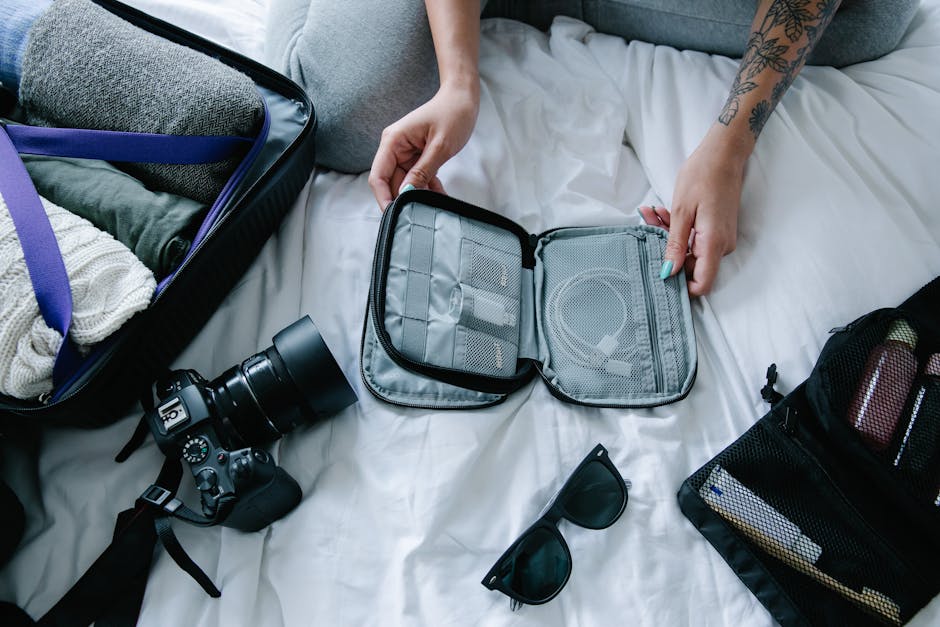
Smart packing is more than organizing your clothes. It's about including items that enhance safety. Start by creating a checklist of essentials. A first aid kit is a must-have. Include band-aids, antiseptics, and medications. A flashlight can be handy during power outages or dark areas. Consider a portable charger to keep devices powered. Keep important documents and cash in separate locations. This minimizes loss if a bag is stolen. Use luggage locks to secure your belongings.
Staying Alert And Aware
Avoid distractions when in unfamiliar places. Stay focused on your surroundings. This reduces the chance of accidents or theft. Trust your instincts if a situation feels off. It's better to be safe than sorry. Be cautious with strangers, especially in crowded areas. Always keep an eye on your personal items. Secure your wallet and phone in front pockets. Make mental notes of landmarks and emergency exits. This helps in case of an emergency.
Using Technology For Safety
Technology can be a great travel ally. Use GPS apps to navigate unfamiliar territories. They offer directions and real-time traffic updates. Install safety apps that alert authorities in emergencies. Share your travel itinerary with a trusted friend or family member. This keeps someone informed of your whereabouts. Utilize hotel safes for storing valuable items. Regularly update your device's security settings. This protects your personal information online.
Personal Safety Practices
Traveling opens up a world of adventure and new experiences. But safety should always be a top priority. Personal safety practices can help ensure a smooth journey. Being aware and cautious can keep you out of harm's way. Let's explore some effective personal safety strategies.
Safeguarding Valuables
Keep your valuables out of sight. Use a money belt or neck pouch to hide cash and cards. Lock important items in the hotel safe. Avoid displaying expensive gadgets in crowded places. Stay alert in busy areas. Be mindful of your surroundings.
Avoiding Common Scams
Scammers often target tourists. Be wary of strangers offering unsolicited help. Avoid unlicensed taxis. Research common scams in your destination. Trust your instincts. If something feels off, walk away. Always verify credentials of guides and service providers.
Health And Hygiene Precautions
Health is as crucial as safety. Carry a basic first-aid kit. Use hand sanitizer frequently. Drink bottled water in unfamiliar places. Stay updated on travel vaccinations. Avoid street food that seems unhygienic. Prioritize your well-being during travel.
Safety For Solo Travelers
Traveling solo can be an enriching experience. It offers freedom and self-discovery. But safety is a top concern for many solo travelers. Understanding and taking steps to ensure personal safety can make the journey more enjoyable. By being proactive, solo travelers can navigate new places with confidence.
Building Confidence In Solo Travel
Confidence is key for solo travelers. Start by researching your destination. Know the culture, customs, and local laws. This knowledge helps you blend in and avoid unwanted attention. Practice self-awareness and trust your instincts. If a situation feels off, it probably is. Always have a plan, but be flexible. Confidence grows with experience, so embrace each journey as a learning opportunity.
Connecting With Locals Safely
Engaging with locals enriches travel experiences. It provides insights into the culture and lifestyle. To connect safely, choose public places for interactions. Cafes, parks, and markets are ideal. Learn a few local phrases. It shows respect and helps break the ice. Use reputable sources like guidebooks or official tourism websites to find safe local events and gatherings. Always let someone know where you plan to go.
Choosing Safe Transportation
Transportation choices impact travel safety. Opt for registered taxis or ride-sharing apps. Check reviews and ratings before booking. Public transport can be safe and economical. Research the routes and schedules beforehand. Avoid traveling late at night in unfamiliar areas. Keep emergency contacts and information handy. Secure your belongings and stay alert during your journey. Safe transportation enhances your travel experience.
Family Travel Safety
Traveling with family creates lasting memories. Safety should always come first. Whether visiting new places or relaxing at a resort, ensure your family is safe. Let's explore key aspects of family travel safety.
Child Safety Measures
Keeping children safe is a priority. Always hold their hands in crowded places. Use child identification bracelets with contact details. Pack a first-aid kit with necessary supplies.
Teach kids basic safety rules. Guide them on what to do if lost. Avoid sharing personal details with strangers.
Managing Group Travel Risks
Traveling in a group has unique challenges. Assign a meeting point at each stop. Use a buddy system to pair children with adults.
Keep communication open using mobile phones or walkie-talkies. Have a list of emergency contacts handy. Organize regular headcounts to ensure no one is missing.
Emergency Preparedness For Families
Prepare for emergencies before starting the trip. Know the local emergency numbers. Store them in your phone and share with family members.
Familiarize yourself with the location of the nearest hospital. Keep a copy of important documents in a safe place. Practice emergency drills with your family.
Destination-specific Tips
Traveling to new destinations is exhilarating, but safety should always be a priority. Understanding the specifics of your destination can significantly enhance your travel experience. From researching travel warnings to adapting to cultural norms, these destination-specific tips can guide you in staying safe while enjoying your trip.
Researching Travel Warnings
Before you pack your bags, take a few moments to research any travel warnings related to your destination. Websites like the U.S. State Department or your own country's foreign affairs site can provide valuable insights.
These warnings can range from political unrest to natural disasters. Knowing these risks helps you make informed decisions. Have you ever found yourself in a city during a major protest? Knowing beforehand could mean the difference between safety and chaos.
Don't just rely on official websites; check social media and travel forums for real-time updates from fellow travelers. You'll often find candid experiences and advice that can be crucial for your safety.
Understanding Local Laws
Local laws can be vastly different from what you are accustomed to. Ignoring them can lead to hefty fines or even jail time. Remember the story of a traveler who was detained for chewing gum in Singapore? Understanding the legal landscape is vital.
Research specific laws related to travel essentials like transportation, alcohol consumption, and photography. You wouldn’t want to unintentionally break the law simply because you were unaware.
Keep a cheat sheet of key local laws on your phone for quick reference. This proactive step can save you from potential legal troubles.
Adapting To Cultural Norms
Cultural norms can be subtly different and sometimes directly impact your safety. What might be considered polite in one culture could be offensive in another. Have you ever been in a situation where a seemingly harmless gesture led to an awkward moment?
Read up on cultural customs and etiquette. This includes dress codes, greetings, and even dining habits. Respecting these norms not only keeps you safe but also enriches your travel experience.
Engage with locals to learn more. They can offer insights that guide you through cultural nuances and ensure you feel welcome rather than alienated.
When planning your next trip, ask yourself, "Am I prepared for the unique challenges of this destination?" Your safety depends on it.
Frequently Asked Questions
What Is Hotel Safety?
Hotel safety involves measures to ensure the well-being of guests. This includes secure locks, surveillance systems, and emergency protocols. Hotels often provide safety information in rooms. Guests should be aware of exits and report suspicious activities. Choosing a reputable hotel with positive reviews can enhance your safety during your stay.
How Can I Ensure Travel Safety?
To ensure travel safety, research your destination's safety guidelines. Keep copies of important documents and inform someone of your itinerary. Stay updated on local news and avoid risky areas. Use reputable transportation and accommodations. Trust your instincts and stay alert to your surroundings at all times.
What Are Essential Hotel Safety Tips?
Essential hotel safety tips include locking your doors and using the peephole. Avoid sharing your room number publicly. Use the hotel safe for valuables and be cautious with personal information. Familiarize yourself with emergency exits and procedures. Choose accommodations with good safety reviews and reliable security measures.
How Does Travel Insurance Aid Safety?
Travel insurance provides financial protection against unforeseen events. It covers medical emergencies, trip cancellations, and lost belongings. Having insurance ensures access to necessary resources during unexpected situations. It offers peace of mind, enabling travelers to focus on enjoying their journey without undue worry about potential risks.
Conclusion
Staying safe while traveling is essential. Always choose reputable hotels. Research your destination thoroughly. Be aware of your surroundings at all times. Secure your belongings carefully. Trust your instincts. If something feels wrong, it probably is. Communicate your plans with friends or family.
Keep emergency contacts handy. Practice caution but enjoy your trip. Safety doesn’t mean missing out on fun. It's about being prepared and aware. Traveling should be enjoyable and worry-free. Remember, a little preparation goes a long way. Safe travels make for happy memories.
Stay vigilant and make the most of your journey!