

Imagine navigating a bustling city without the ability to hear the announcements or alerts that guide most travelers. For many deaf travelers, choosing the right public transportation can feel like solving a complex puzzle.
Have you ever wondered which transportation methods are most accessible and why they stand out? This article is your guide to unraveling the best options for deaf travelers, ensuring a smoother and more independent journey. By understanding which public transport options prioritize visual information and user-friendly interfaces, you can make informed decisions that enhance your travel experience.
Dive in to discover how you can make your next trip more accessible and enjoyable, whether you're planning it for yourself or helping someone else.
Accessible Transport Options
Accessible transport options are essential for deaf travelers to navigate public transportation smoothly. It's not just about getting from point A to point B but ensuring the journey is comfortable and stress-free. While many systems have made strides in inclusivity, some methods stand out for offering effective visual communication tools, signage, and alerts.
Visual Communication Tools
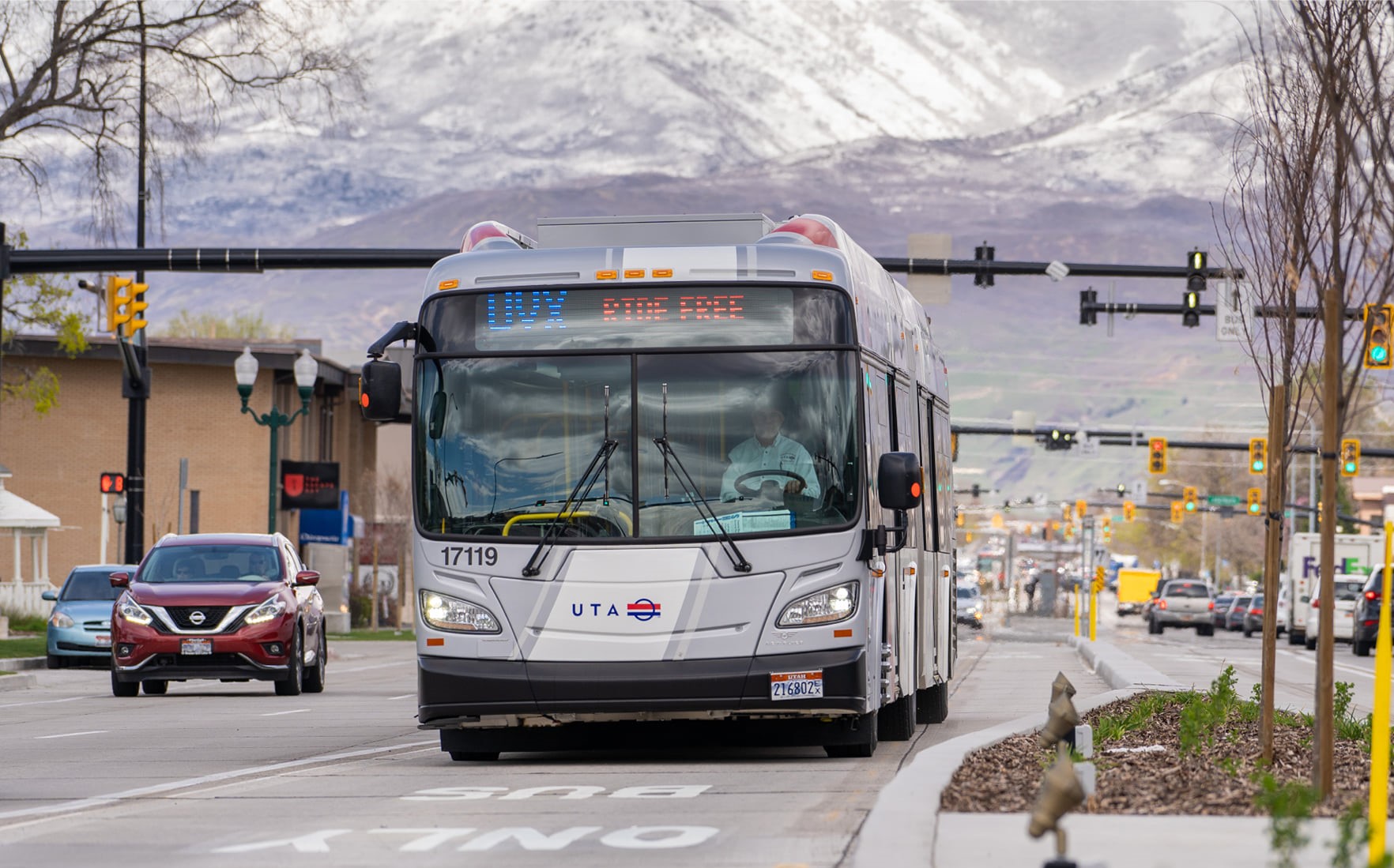
Public transportation systems are increasingly using visual communication tools to aid deaf travelers. Imagine stepping onto a bus and seeing a digital screen displaying upcoming stops. It's a game-changer for those who rely on visual cues rather than auditory announcements. These screens are often paired with LED displays that highlight route information, making it easy to confirm you're headed in the right direction.
Consider the experience of a deaf traveler visiting a new city. The stress of navigating unfamiliar public transport is alleviated by clear visual tools. Visual announcements on platforms can transform a potentially confusing experience into a straightforward journey. These tools are not just helpful; they're empowering.
Signage And Alerts
Effective signage is crucial for deaf travelers. Large, clear signs at stations and stops can make all the difference. They provide necessary information at a glance. Is the station you need a transfer from three stops away or four? Signage ensures you know without needing to ask.
Alerts also play a crucial role. Imagine standing at a train station. Suddenly, there's a delay. For deaf travelers, visual alerts about changes in schedules or platform adjustments are vital. They keep you informed and in control of your travel plans.
Think about your last trip using public transport. Did you notice the signage? Perhaps you didn't realize how important it was for someone who can't rely on audio announcements. These details matter, and they can significantly enhance travel experiences.
What can be done to make public transportation more accessible for deaf travelers? Consider advocating for more visual tools and better signage in your community. Small improvements can make a big difference in inclusivity and accessibility.
Buses And Coaches
Buses and coaches provide a practical choice for deaf travelers. They are widely available and often cost-effective. These public transportation methods connect cities and towns efficiently. Deaf travelers can rely on them for both short and long journeys. Understanding their unique needs can enhance the travel experience for everyone involved.
Real-time Information Systems
Real-time information systems are crucial for deaf travelers. They offer visual updates on bus arrivals and departures. Electronic displays at stops and stations show this information clearly. Apps on smartphones also provide real-time updates. These tools help deaf travelers plan their journeys better. They reduce uncertainty and enhance the travel experience.
Driver Awareness Programs
Driver awareness programs are essential for supporting deaf travelers. These programs train drivers to communicate effectively with deaf passengers. They teach drivers to use simple gestures and written communication. Awareness helps drivers respond to the needs of deaf travelers. It creates a more inclusive and supportive environment. Such efforts ensure a smoother, more pleasant journey for all.
Trains And Subways
Deaf travelers often find trains and subways the best public transportation options. Clear visual signs and announcements make navigation easier. These systems offer a reliable and accessible way to explore cities.
Navigating public transportation can be a unique experience for deaf travelers. Trains and subways are preferred due to their structured environments and predictable routes. They offer a sense of reliability and consistency that can be incredibly reassuring. However, there are specific features that make these transportation methods particularly accessible for those with hearing challenges.
Visual Announcements
Imagine you're waiting for your train, and suddenly, there's an announcement. If you can't hear it, how do you know what’s being said? Trains and subways have made strides in providing visual announcements. Digital screens display essential information like arrival times, delays, and emergency alerts. These screens are strategically placed so you can easily spot them while waiting or traveling. Next time you see one, think about its importance for deaf travelers. It ensures everyone has equal access to vital information, enhancing their travel experience.
Dedicated Assistance Services
Trains and subways often have dedicated assistance services to help deaf passengers. This might include staff who are trained in basic sign language or who can provide written information upon request. You might not realize it, but these small gestures can make a big difference. Have you ever tried asking for help in a noisy station? Imagine that multiplied for a deaf traveler. Knowing there's someone there who understands their needs can be incredibly comforting. If you’re ever in doubt, look for assistance signs or ask around. You might just make someone's journey a lot easier. Next time you’re on a train or subway, consider how these features contribute to a more inclusive world. How can we all play a part in making public transportation even more accessible?

Credit: www.facebook.com
Ride-sharing Services
Ride-sharing services offer a flexible and convenient transportation option for deaf travelers. Drivers can communicate through text messages, ensuring clear and effective interaction. This method provides a sense of safety and independence, making it a preferred choice over traditional public transportation methods.
Public transportation can be a challenge for deaf travelers. However, ride-sharing services have revolutionized the way they navigate cities. These services offer a level of convenience, accessibility, and independence that traditional transportation methods often lack. But what makes them truly beneficial for deaf travelers? Let's explore the features that enhance their experience.
App-based Communication
Ride-sharing apps have built-in communication features that are particularly helpful for deaf travelers. You can easily enter your destination, track your route, and even send text messages to the driver. This eliminates the need for verbal communication and reduces misunderstandings. Consider how convenient it is to convey specific instructions or ask questions through a text message. It ensures clarity and saves time. Have you ever struggled to communicate with a driver because of a language barrier? For deaf travelers, app-based communication bridges that gap effortlessly.
Driver Training For Deaf Awareness
Some ride-sharing services prioritize training their drivers in deaf awareness. This is a significant step towards inclusivity. Drivers learn how to communicate effectively with deaf passengers, making the experience more comfortable and respectful. Imagine stepping into a car where the driver is already aware of your communication preferences. It changes the dynamic of the ride, making you feel understood and valued. Wouldn't it be great if more drivers were prepared to accommodate different needs? Ride-sharing services have shown how technology and training can create a more inclusive environment for all travelers. They offer a model that other transportation services could emulate. As you plan your next trip, consider the ease and comfort that ride-sharing might add to your journey. How might these features change your travel experience?
Air Travel Considerations
Choosing the right transportation method is vital for deaf travelers. Trains often provide visual aids like screens for updates, making them an ideal choice. Clear signage and written communication ensure a smoother journey.
Air travel offers unique challenges and opportunities for deaf travelers. Navigating airports and flights requires careful attention to visual cues and communication support. Understanding these aspects can make air travel smoother and more enjoyable for deaf individuals.
Visual Boarding Procedures
Airports often use visual displays to guide passengers. These displays show flight information and boarding gates. Deaf travelers can rely on screens for updates. Airports sometimes offer visual or tactile alerts for boarding. Check for these options when planning your trip. Clear signage and visual aids help ensure you reach the right gate.
In-flight Communication Support
In-flight communication can be challenging for deaf passengers. Some airlines provide captioned safety videos. These are helpful for understanding safety procedures. Flight attendants can use written notes for communication. Ask for these if needed. Airlines may offer apps with text-based updates. Use these tools to stay informed during the flight. Communication aids enhance travel comfort and safety.
Water Transport Options
Water transport offers a unique travel experience. Deaf travelers can enjoy the serene beauty of waterways. Options include ferries, cruise ships, and water taxis. These modes provide a peaceful journey, away from the hustle of road traffic. Accessibility and clear communication are crucial for deaf travelers.
Accessible Ferry Services
Ferries are a popular water transport option. They connect various destinations, offering scenic views along the way. Many ferry services prioritize accessibility. They provide visual aids for passengers. Clear signage helps deaf travelers navigate easily. Staff are trained to assist with communication needs. This ensures a smooth and enjoyable journey.
Visual Emergency Protocols
Safety is a top priority in water transport. Visual emergency protocols are essential for deaf travelers. Signs and screens display important information during emergencies. Bright lights signal urgent situations. Crew members are trained to use non-verbal communication. This helps ensure all passengers understand safety procedures.
Technological Innovations
Deaf travelers benefit greatly from buses with visual alerts. Clear signs and screens ensure they don't miss stops. Visual cues make navigation easier, enhancing their travel experience. Public transportation should prioritize these features for accessibility.
In recent years, technological innovations have transformed public transportation, making it more accessible for deaf travelers. These advancements aim to break down barriers and create an inclusive environment. Imagine being able to navigate a bustling city without missing vital travel information.
Mobile Apps For Deaf Travelers
Mobile apps have become indispensable tools for deaf travelers. Many apps now offer text-based notifications for transit updates. This means you can receive alerts about delays or changes directly to your phone, ensuring you stay informed without needing to rely on auditory announcements. Some apps provide visual route planning. By displaying detailed maps and step-by-step directions, you can confidently plan your journey. With these tools, navigating public transport becomes less daunting and more manageable. Have you ever found yourself lost in a new city, unable to understand local transport signs? Mobile apps can bridge this gap. They offer real-time translation of signs and announcements, which can be a game-changer for deaf travelers.
Wearable Tech Support
Wearable technology is another innovation that supports deaf travelers. Devices like smartwatches can vibrate for alerts, ensuring you never miss important travel information. These subtle vibrations can be lifesavers when you're focused on the hustle and bustle around you. Visual cues from wearable tech can guide you through crowded stations. Imagine your smartwatch flashing directions, helping you navigate complex transit systems efficiently. With wearable tech, you can maintain independence and confidence while traveling. Wearables can also sync with mobile apps for seamless updates. If your phone receives a notification, your smartwatch can alert you instantly. This integrated approach ensures you stay connected and informed at all times. Have you ever considered how these innovations could change your travel experience? With technology continually evolving, the future of public transport is promising for deaf travelers. Embrace these tools and explore the world with newfound ease and assurance.

Credit: www.wric.com
Credit: www.transit.dot.gov
Frequently Asked Questions
What Is The Best Public Transport For Deaf Travelers?
The best public transport for deaf travelers is the train. Trains provide visual information through screens and signage, which are accessible to deaf travelers. Many train stations also offer assistance services for travelers with disabilities, ensuring a smoother travel experience.
How Do Buses Accommodate Deaf Travelers?
Buses accommodate deaf travelers through visual aids and clear signage. Many buses display route information on screens, allowing deaf travelers to track their journey. Additionally, drivers are often trained to assist passengers with disabilities, ensuring a supportive travel environment.
Are Subways Accessible For Deaf Travelers?
Subways are generally accessible for deaf travelers. They use visual announcements and signs to communicate important information. Many subway systems offer apps that provide real-time updates, further enhancing accessibility for deaf individuals.
What Features Help Deaf Travelers On Trains?
Trains offer visual announcements and clear signage for deaf travelers. They provide assistance services at stations for passengers with disabilities. This ensures an inclusive and accessible travel experience for deaf individuals.
Conclusion
Public transportation can be friendly for deaf travelers. Simple changes make big impacts. Visual aids, clear signs, and easy-to-read schedules help. Staff trained in basic sign language improves communication. These factors enhance travel ease and comfort. Choosing the right transportation boosts independence.
It empowers deaf travelers to explore confidently. Accessible options create a welcoming environment. They promote inclusivity and equal opportunity for all. Each step forward makes public transport better. For everyone. Recognizing unique needs is essential. It ensures a positive experience for deaf travelers worldwide.
Let's support more accessible travel today.