
Vietnam offers diverse weather and landscapes, making timing important for your trip. Choosing the best time helps you enjoy the country fully.
The best time to travel to Vietnam depends on where you want to go. The north has cold winters and hot summers. The south stays warm year-round with a rainy season from May to October. The central region has a short dry season but can get storms in autumn.
Many travelers prefer spring (February to April) or autumn (August to October) for pleasant weather and fewer crowds. These months offer clear skies and mild temperatures. Planning your visit during these times allows you to explore cities, beaches, and mountains comfortably. Knowing Vietnam’s weather patterns helps you make the most of your trip. Choose your travel season to enjoy Vietnam’s beauty and culture fully.
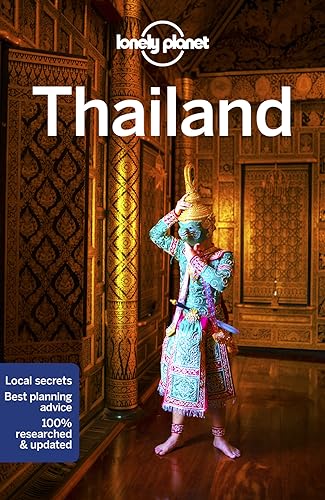
Lonely Planet Thailand

The Lonely Planet Thailand (Travel Guide) is perfect for travelers who want an in-depth and reliable resource before exploring Thailand. Ideal for first-time visitors, adventure seekers, and culture enthusiasts, this guidebook offers comprehensive insights to make your trip smooth and enriching. Whether you prefer detailed planning or spontaneous exploration, this guide caters to all types of travelers looking to maximize their experience in Thailand.
Pros:
- Extensive coverage with 800 pages of detailed information on destinations, culture, and practical tips.
- Compact and portable dimensions (7.75 x 5.1 x 1.25 inches), making it easy to carry during travel.
- Published by a trusted brand, Lonely Planet, known for accurate and up-to-date travel advice.
- Includes maps, itineraries, and recommendations for all budgets and interests.
- The 17th edition ensures the content is current and relevant as of 2018.
Cons:
- At 0.65 pounds, it might be slightly heavy compared to digital guides.
- Publication date in 2018 means some information might be outdated due to recent changes in Thailand.
- Physical book format may not appeal to travelers who prefer mobile apps or eBooks.
The Lonely Planet Thailand guidebook stands out for its thorough coverage of the country’s must-see locations, hidden gems, and cultural insights. Its detailed maps and suggested itineraries help travelers plan efficient routes, saving time and enhancing their overall experience. The guide’s advice on local customs, dining, and transportation equips readers with practical knowledge that can prevent common travel mishaps.
Additionally, the book’s durable yet lightweight design makes it a reliable companion for on-the-go reference. By offering a blend of expert recommendations and user-friendly layouts, this guidebook benefits travelers by fostering confidence and encouraging deeper exploration. Whether you’re backpacking, vacationing with family, or on a cultural tour, this edition from Harper Collins India and Lonely Planet serves as an invaluable tool for making the most out of your Thailand adventure.
Tuttle Practical Cambodian Dictionary

The Tuttle Practical Cambodian Dictionary: English-Cambodian Cambodian-English is ideal for travelers, students, and language enthusiasts seeking a reliable and compact bilingual dictionary. If you are looking to improve your proficiency in both English and Cambodian (Khmer), this dictionary offers practical vocabulary and easy reference, making it perfect for everyday use and language learning.
Pros:
- Compact size with dimensions of 6.0 x 4.5 x 0.7 inches, making it highly portable.
- Contains 232 pages filled with comprehensive bilingual entries.
- Published by the reputable Tuttle Publishing, ensuring quality and accuracy.
- Practical for both English-to-Cambodian and Cambodian-to-English translations.
- Lightweight at just under 0.4 pounds, perfect for travel and daily use.
Cons:
- Publication date is from 1995, so some modern terminology might be missing.
- Limited to 232 pages, which may restrict very detailed or specialized vocabulary.
- Does not include audio or digital components for pronunciation assistance.
The Tuttle Practical Cambodian Dictionary is designed to deliver essential vocabulary and phrases in a clear, concise format. Its bilingual nature supports learners at different stages, providing quick access to translations in both directions. The dictionary’s size and weight make it convenient to carry around, whether you are navigating Cambodia or practicing your language skills at home.
With its practical vocabulary, users benefit from easy-to-understand entries that help build foundational language skills. While the dictionary may not cover the most recent slang or technical terms due to its publication date, it remains a valuable resource for general communication and study. The trusted brand, Tuttle Publishing, ensures that the content is reliable and well-organized, contributing to an effective learning experience.
Frequently Asked Questions
What Is The Best Time To Visit Vietnam?
The best time to visit Vietnam is during spring (February to April) and autumn (August to October). These months offer pleasant weather, with moderate temperatures and less rainfall. This is ideal for exploring the country's landscapes and cultural sites. Avoid monsoon season for a more enjoyable trip.
How Does Vietnam's Climate Vary By Region?
Vietnam's climate varies significantly from north to south. The north experiences four distinct seasons, while the south has a tropical climate with wet and dry seasons. The central region can be unpredictable, with typhoons common from August to November. Plan accordingly for a comfortable travel experience.
What Are Must-see Places In Vietnam?
Vietnam boasts numerous must-see places, including Ha Long Bay, Hoi An, and Ho Chi Minh City. The Mekong Delta and Sapa's rice terraces offer stunning natural beauty. Hanoi's Old Quarter provides rich cultural experiences. Each location offers unique attractions and should be on your travel itinerary.
How Crowded Is Vietnam During Peak Travel Seasons?
Vietnam can be crowded during peak travel seasons, especially in popular tourist spots. Spring and autumn attract many visitors due to favorable weather. During these times, major attractions and cities can be bustling. Booking accommodations and tours in advance is recommended to ensure availability.
Are There Any Major Festivals In Vietnam?
Vietnam hosts several major festivals, with Tet (Lunar New Year) being the most significant. It usually occurs in January or February and is celebrated nationwide. Other notable festivals include the Mid-Autumn Festival and Hue Festival. Participating in these festivities offers a glimpse into Vietnam's rich cultural heritage.
Conclusion
Vietnam offers great travel experiences all year, but some months stand out more. The best time depends on where you want to go and what you want to do. For the north, cooler months from October to December are perfect.
The south is warm and sunny from December to April. Rainy seasons bring fewer tourists and lower prices. So, think about your activities and weather preferences. Planning your trip around these tips helps you enjoy Vietnam fully. Whether you want beaches, mountains, or cities, Vietnam has it all.
Pack smart and prepare for a wonderful adventure. Remember, every season shows a different side of this beautiful country. Choose the time that fits you best and get ready to explore Vietnam’s charm and culture.