


Imagine you're planning your dream trip to Europe—visiting Parisian cafes, exploring historic Roman ruins, or soaking in the sun on a Greek island. Now, imagine that the rules for travel have changed overnight.
With the possibility of a No Deal Brexit looming, this scenario could become a reality. You might be wondering how it would impact your travel plans. Will your passport still be valid? Will your health insurance cover you? What about mobile data charges?
These questions might be swirling in your mind, and the uncertainty can be unnerving. By understanding how a No Deal Brexit could affect travel, you'll be better prepared to navigate your European adventure without any surprises. Let's delve into what this means for you and your travel plans.
Travel Regulations Post-brexit
Traveling to Europe post-Brexit may bring changes for UK citizens. Without a deal, new rules will affect how people travel. Understanding these changes helps plan your trip smoothly.
Passport And Visa Requirements
Post-Brexit, passport validity is crucial. Ensure your passport has six months left before it expires. Check its issue date too; it should be less than ten years old. UK travelers may need visas for longer stays. Short visits might not require one. Always verify visa needs before booking your trip.
Border Control Changes
Expect stricter checks at European borders. UK citizens may face longer waits. Officials will check documents more thoroughly. This could increase travel time. Traveling with a valid passport and necessary documents is important. Prepare for potential delays at border control points.
Impact On Travel Insurance
Travel insurance becomes vital post-Brexit. UK citizens won't have automatic healthcare access in Europe. Insurance policies may change. Check your coverage details carefully. Ensure it covers healthcare and trip cancellations. New regulations might affect claims, so stay informed.
Credit: etias.com
Transportation Disruptions
A no-deal Brexit could bring significant travel disruptions to Europe. Travelers might face longer queues at borders and increased checks. Passport and visa rules could change, affecting ease of movement.
As the uncertainty of a No Deal Brexit looms, travelers are left wondering about its potential impact on their journeys across Europe. The most immediate concern is transportation disruptions. Imagine planning a dream vacation only to face unexpected travel hiccups. From air travel challenges to rail and ferry services, and even driving in Europe, each mode of transport presents its own set of hurdles. How will these changes affect your travel plans?
Air Travel Challenges
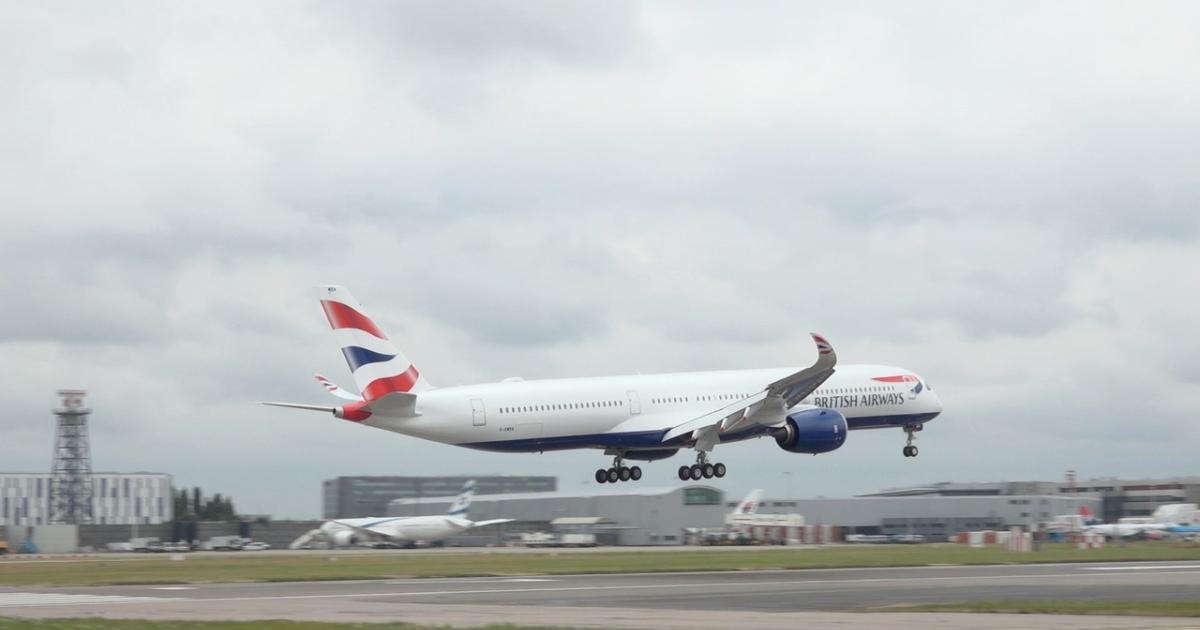
Air travel might be the most visibly affected. UK travelers could face longer queues at airports due to additional passport checks. There might also be disruptions in flights as new regulations come into play. Airlines may need to renegotiate flight routes and landing rights. Budget airlines, often favored for European travel, may increase prices to cover new costs. If you've ever experienced a delayed flight, you know how frustrating it can be. Now imagine this on a larger scale, affecting thousands of passengers daily.
Rail And Ferry Services
Train journeys, once a seamless way to travel across Europe, may become more complicated. Eurostar services might experience delays due to increased border checks. This could turn a swift journey into a lengthy ordeal. Ferry services could also see changes. New customs checks might lead to longer waiting times at ports. If you're planning a scenic drive through Europe with your car, this could be particularly disruptive.
Driving In Europe
Driving through Europe offers a unique freedom and flexibility. But a No Deal Brexit might mean you need additional documents to drive in EU countries. An International Driving Permit (IDP) could become mandatory. Insurance is another consideration. You might need a 'green card' to prove you have motor insurance. Picture setting off on your European road trip only to realize you're missing crucial paperwork. It's essential to check these requirements well in advance. Are you prepared for these potential changes? Being informed and proactive can save you from travel headaches. With proper planning, you can still enjoy your European adventures, despite the Brexit uncertainties.
Financial Implications For Travelers
The prospect of a no-deal Brexit raises concerns for travelers to Europe. One major concern is the financial implications. Understanding these impacts is crucial for anyone planning a trip across the Channel. Travelers may face challenges related to currency fluctuations, payment methods, and travel costs. Let's explore these aspects in detail.
Currency Fluctuations
Currency values may change rapidly after a no-deal Brexit. These changes can affect how much travelers pay for goods and services. If the British pound weakens, expenses in euros might become higher. Budgeting for trips could become tricky. It's wise to keep an eye on exchange rates before traveling.
Payment Methods And Charges
Using credit cards might incur extra charges abroad. Travelers could face higher fees for transactions in different currencies. Some banks may adjust their policies after Brexit. It's important to check with your bank regarding overseas fees. Consider using travel money cards to manage costs effectively.
Cost Of Travel And Accommodation
Travel costs could rise due to changing regulations. Airlines may adjust their pricing strategies. Accommodation providers might also change their rates. Booking early could help secure better deals. Travelers might need to compare options carefully to find affordable choices. Planning ahead can save money and stress.
Health And Safety Considerations
As the possibility of a no deal Brexit looms, travelers to Europe face uncertainties. Health and safety are top concerns. Changes may affect how travelers access services abroad. Understanding these changes is crucial for a safe trip.
Access To Healthcare
Post-Brexit, the EHIC card may no longer be valid. This card currently provides healthcare access in EU countries. Without it, travelers might need private health insurance. Costs for medical treatment could increase significantly. Planning for potential medical expenses is essential.
Emergency Services
Access to emergency services might change. UK citizens may no longer receive the same level of assistance. Language barriers could complicate communication during emergencies. Familiarize yourself with local emergency numbers before traveling. Consider learning basic phrases in the local language. This can be beneficial during urgent situations.
Travel Advisory Updates
Travel advisories can change frequently in the event of a no deal Brexit. Checking the latest advisories before departure is important. The UK government website provides updated information. Staying informed helps in avoiding unexpected issues. Always have a backup plan in case of sudden changes.
Impact On Travel Industry
The prospect of a No Deal Brexit brings a wave of uncertainty to various sectors, with the travel industry facing potential upheaval. From holidaymakers to business travelers, everyone is asking, "What does this mean for my plans?" While traveling to Europe has always been a breeze, things might become a bit more complicated. Let's delve into how the travel industry might be reshaped and what adjustments are on the horizon.
Tourism Sector Adjustments
As the Brexit date looms, the tourism sector is on edge, preparing for a shift in operations. Imagine strolling through the streets of Paris or relaxing on a Spanish beach, but suddenly facing new regulations. Changes in visa requirements could be a reality, affecting your spontaneity in planning a European getaway. Will this deter tourists or simply alter how they travel?
The uncertainty is pushing travel agencies to rethink their strategies. Consider the possibility of increased costs due to currency fluctuations and additional paperwork. This could mean a surge in demand for guided tours, where agencies handle the logistics, easing your travel stress.
Changes In Travel Packages
Travel packages to Europe might undergo significant transformation. With a No Deal Brexit, agencies could start offering more comprehensive packages that include visa assistance and currency exchange options. Imagine not having to worry about the nitty-gritty details and focusing solely on enjoying your trip.
Additionally, there might be a shift towards regional packages focusing on non-EU destinations. This could open up exciting new destinations that you hadn't considered before. Are you ready to explore the charming streets of Dubrovnik or the historic sites of Istanbul?
Business Travel Concerns
The business travel sector is poised for considerable change. As trade relationships shift, companies may rethink their business travel strategies. Have you ever had to cancel a business meeting because of sudden policy changes?
Visa requirements could mean more planning and less spontaneity in scheduling business trips. Consider how this might affect your company's ability to quickly respond to opportunities or challenges. Business travelers will need to navigate these new waters with careful planning and foresight.
Ultimately, the No Deal Brexit scenario poses questions that we must address. How adaptable is the travel industry? Are you prepared for the changes that may affect your travel plans? As travelers, staying informed and flexible could be key to navigating this uncertain terrain.
Credit: www.ainonline.com
Preparing For Uncertainties
As the possibility of a No Deal Brexit looms, travelers venturing to Europe might find themselves navigating a sea of uncertainties. From fluctuating regulations to potential delays, preparing for these changes can make your journey smoother and less stressful. You might remember a time when packing for a trip was just about clothes and toiletries. Now, it includes planning for unforeseen shifts in travel policies. So, how do you gear up for the unexpected?
Travel Planning Tips
Start by double-checking your passport validity. Post-Brexit, some countries may require a minimum of six months remaining on your passport. This small detail can save you from a last-minute panic.
Consider travel insurance that covers disruptions specific to Brexit-related issues. Policies vary, so choose one that fits your needs. It’s not just about lost luggage anymore.
Make a list of potential travel documents you might need. Visas, health declarations, and more could become part of your packing list. It’s better to have them and not need them than the other way around.
Staying Informed
Regularly check the official government websites for updates on travel regulations. These sites often have the most accurate and timely information.
Follow travel forums and social media groups. Real-time experiences shared by fellow travelers can offer insights you might not find elsewhere.
Sign up for alerts from airlines and travel agencies. They often provide the latest news on flight changes and border requirements.
Contingency Plans
Have backup plans for accommodations. If your plans change, knowing your options can ease the stress of sudden alterations.
Budget for unexpected expenses. Currency fluctuations and additional fees could arise, so a financial cushion is wise.
Keep a list of contacts for emergencies. A local embassy or consulate can be a lifeline if you face any issues abroad.
Facing uncertainties can be daunting, but with careful preparation, you can navigate the challenges of a No Deal Brexit with confidence. What steps will you take to ensure your next European adventure goes smoothly?

Credit: www.theguardian.com
Frequently Asked Questions
What Is A No Deal Brexit?
A no deal Brexit means the UK leaves the EU without a withdrawal agreement. This impacts trade, travel, and legal regulations. Travelers might face changes in border controls, passport requirements, and insurance policies. It's crucial to stay updated on travel advisories and prepare for possible disruptions.
Will Passports Be Affected By A No Deal Brexit?
Yes, passport regulations might change after a no deal Brexit. UK travelers may need at least six months' validity on their passports. It's essential to check entry requirements for each EU country before traveling. Always ensure your passport is up-to-date to avoid travel issues.
Do I Need A Visa To Travel To Europe?
In the event of a no deal Brexit, UK citizens might require visas for short stays in Europe. Currently, travelers can stay visa-free for up to 90 days in any 180-day period. It's advisable to monitor official announcements for any changes in visa requirements.
How Will Travel Insurance Be Impacted?
Travel insurance policies might change with a no deal Brexit. Coverage for medical expenses and emergencies could be affected. It's important to check your policy details and ensure adequate coverage for trips to Europe. Always verify if your insurance provides necessary protection in EU countries.
Conclusion
Travel to Europe post-Brexit might face new challenges. Changes in visa requirements could occur. Travel insurance rules may also shift. Travelers should stay informed. Checking official updates can help avoid surprises. Planning ahead becomes more crucial than ever. Flexibility in travel plans is key.
Budgeting for potential extra costs is wise. Understanding new regulations ensures smooth journeys. Staying prepared helps make travel stress-free. Despite uncertainties, European adventures still await. Embrace the opportunity to explore new cultures. Travel remains a rewarding experience.